Published
-
2026-06-01 Inflation, tariffs and AI policy tighten at once
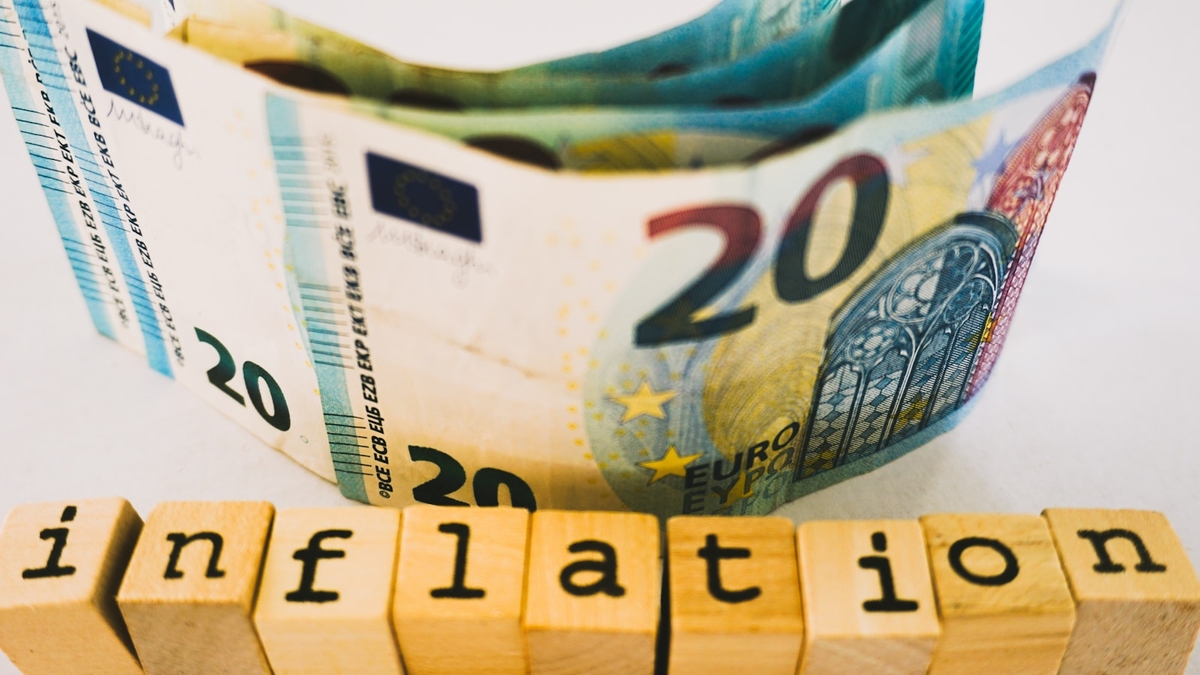
Photo by Paul-Christian M on Unsplash
2026-06-01 Inflation, tariffs and AI policy tighten at once
U.S. politics, markets, and AI policy all moved together. Inflation re-accelerated, household purchasing power weakened, and tariff refunds, immigration funding, and Ukraine support stayed on the political agenda. In technology, export controls, model updates, government reviews, and defense adoption pushed AI further into a security-and-governance frame.
Politics
Zelenskyy asks for more U.S. air defense help
Zelenskyy pressed for additional U.S.-made air defense support as Russian strikes continued.
What happened: Zelenskyy asked Trump and Congress for more air defense support as Russian missile attacks continued. The battlefield need has returned to the center of diplomacy.
Why it matters: The scale of U.S. support affects battlefield conditions, European burden-sharing, and domestic U.S. politics around foreign aid.
What to watch next: Look for any new aid package language and whether the White House expands missile and interceptor deliveries.
Supreme Court sides with Trump on immigration judges

The Supreme Court left intact the administration’s position on speech limits for immigration judges.
What happened: The Court did not overturn the administration’s approach to restricting immigration judges’ speech and outside communications.
Why it matters: The ruling reinforces executive control over the immigration system and keeps the legal fight alive.
What to watch next: Track whether lower courts narrow or broaden the practical impact on immigration adjudication.
Senate Republicans advance a migrant enforcement bill

Republicans moved a large migration enforcement funding package forward in the Senate.
What happened: Senate Republicans advanced the main pieces of a large migration enforcement package.
Why it matters: Immigration policy now sits at the intersection of enforcement, budgeting, and intraparty bargaining.
What to watch next: See how much funding survives final negotiations and what gets stripped in House-Senate talks.
White House ballroom security funding runs into trouble
Budget friction has turned White House ballroom security spending into a political flashpoint.
What happened: Republican spending strategy stumbled around White House security and ballroom-related funding.
Why it matters: Seemingly small items can reveal broader power priorities and stall larger budget deals.
What to watch next: Watch for a revised compromise and whether the White House keeps pushing the item.
The administration plans to appeal the tariff refund order
The administration said it will challenge a ruling that could widen tariff refunds.
What happened: The administration moved to appeal an order that would let all importers seek refunds on struck-down tariffs.
Why it matters: Refund scope affects cash flow, pricing, and the administration’s tariff strategy.
What to watch next: Monitor how fast the appeal moves and how broad the refund eligibility becomes.
Economy
The PCE inflation gauge re-accelerated
April PCE inflation picked up again as household buying power weakened.
What happened: April PCE inflation came in hotter again, pushing back hopes for a clean disinflation path.
Why it matters: Higher-for-longer inflation narrows the Fed’s room to cut and squeezes discretionary spending.
What to watch next: The next PCE and CPI prints will show whether the rebound is temporary or persistent.
Real incomes are losing ground
The same AP report shows incomes and spending power weakening at the household level.
What happened: Real income growth has been lagging, so nominal spending looks firmer than household balance sheets actually feel.
Why it matters: When prices rise faster than wages, consumers eventually cut back on travel, dining, and durable goods.
What to watch next: Wage data, retail sales, and delinquency trends will show whether the squeeze is deepening.
Fed officials keep a rate-hike bias alive

Minutes suggest some Fed officials still see higher rates as possible if inflation stays sticky.
What happened: The latest minutes showed that rate hikes remain on the table if inflation does not cool.
Why it matters: Rate expectations drive bonds, mortgages, auto loans, and equity valuation.
What to watch next: Subsequent inflation and labor data will determine whether the Fed can soften its tone.
Tariff refunds could improve importer cash flow
A wider refund order could put cash back into importers’ hands.
What happened: If refund eligibility expands, importers could get back large amounts of prepaid tariff money.
Why it matters: Refund timing affects working capital, inventory planning, and pricing decisions.
What to watch next: Track the appeal timetable and how quickly companies book the expected refunds.
Oil prices fell on signs of a U.S.-Iran deal

Talks with Iran eased geopolitical risk and pulled crude prices lower.
What happened: Signs of progress in U.S.-Iran talks reduced the risk premium in crude markets.
Why it matters: Oil feeds through to transport, power, and food inflation, so lower crude can ease headline CPI later.
What to watch next: Watch for renewed tensions in the Gulf and whether gasoline prices follow crude lower.
Technology
The U.S. is moving to block Nvidia China workarounds

Washington moved to close a potential loophole in Nvidia chip exports to China-linked firms.
What happened: U.S. officials moved against rerouted chip shipments that could undermine China export controls.
Why it matters: Nvidia supply affects cloud providers, data center buildouts, and national AI strategies.
What to watch next: Any broader export-control expansion and Nvidia’s guidance for China-linked demand.
Google Search is becoming more agentic

Google pushed search and shopping deeper into an AI-agent model.
What happened: Google highlighted a more agentic search and shopping experience at I/O.
Why it matters: Search traffic, e-commerce funnels, and ad mechanics may all change if the assistant does more of the work.
What to watch next: Watch how much automation reaches real users and how ad placement changes.
OpenAI updated GPT-5.5 Instant
OpenAI updated GPT-5.5 Instant and continued pruning older models.
What happened: OpenAI released an update for GPT-5.5 Instant while also simplifying the model lineup.
Why it matters: Model updates affect quality, latency, tooling, and enterprise compatibility.
What to watch next: Keep an eye on benchmark changes and which model becomes the default in production workflows.
Government AI model security reviews are expanding

The U.S. government is bringing major AI models into security review processes.
What happened: Major AI models are being pulled deeper into government safety and security review.
Why it matters: Public review can slow launches, but it also sets a trust bar for procurement and critical infrastructure use.
What to watch next: Look for which failure modes or safety gaps regulators flag, and how that changes release schedules.
The Pentagon is moving ahead with AI company deals

The Defense Department has started formalizing AI adoption agreements.
What happened: The Pentagon moved ahead with agreements involving leading AI vendors.
Why it matters: Military adoption raises the bar on safety, explainability, and data handling, and it pushes those requirements into civilian markets too.
What to watch next: Track which missions are automated and where human approval remains mandatory.
Cross-Cutting View
- Inflation, lower real income, and oil-price volatility all feed the same household squeeze. Even if tariff refunds or lower crude help at the margin, persistent price pressure still weakens the consumer backdrop.
- Politics remains a contest over executive power: immigration enforcement, tariff appeals, and White House spending all show how courts and Congress are shaping policy in real time.
- AI is moving from a product story to a governance story. Export controls, model reviews, and defense adoption now matter as much as benchmark scores.
- Google, OpenAI, Microsoft, and Nvidia are all facing a similar constraint set: product velocity is no longer enough without regulatory fit, supply-chain control, and security approvals.
Unresolved Items to Watch
- How quickly the tariff refund appeal moves, and how broad the refund eligibility becomes.
- Whether immigration funding and White House security spending settle into a compromise or keep stalling.
- If the next inflation data confirm a renewed uptick or only a temporary rebound.
- Whether Nvidia export controls expand beyond the current workaround channel.
- Which AI vendor first sees a major product or procurement decision change because of government security reviews or defense contracts.