Published
-
2026-06-05 AI controls, tariff pressure, and geopolitical risk converge
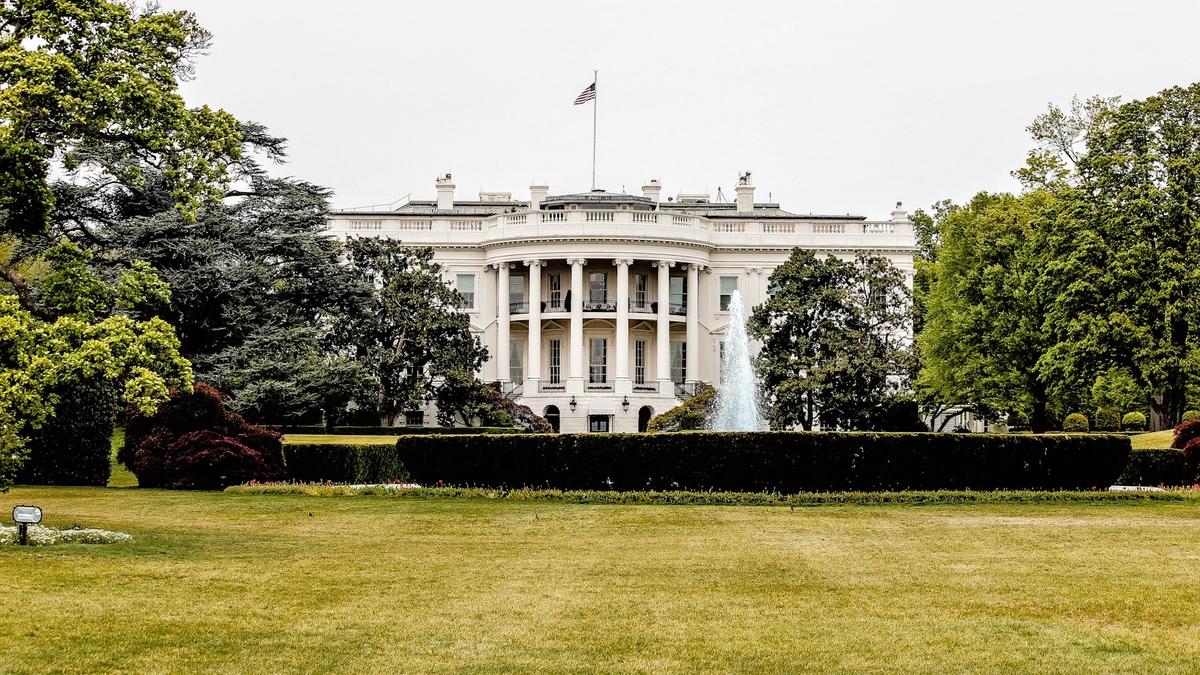
Photo by René DeAnda on Unsplash
2026-06-05 AI controls, tariff pressure, and geopolitical risk converge
AI policy redesign, wider tariffs, Middle East tension, and the wait for jobs data are all moving at the same time. The main signal today is that policy and markets are no longer separate tracks.
Politics
New rules for AI model control

The order lays out government AI security, voluntary frontier model submission, and classified benchmarking.
What happened: The White House released an executive order that tries to promote AI adoption while tightening security controls. It also folds voluntary frontier-model submission into a government benchmark framework.
Why it matters: This is not just regulation. It points to government-led AI testing standards that could spill into procurement and compliance.
What to watch next: Track agency guidance and whether major AI companies participate in the voluntary framework.
US-China clash on Tiananmen

Reuters reports that the anniversary once again triggered competing messages from China, the US, and Taiwan.
What happened: The Tiananmen anniversary became a fresh stage for US-China friction, with Taiwan also pushing its own historical framing.
Why it matters: Taiwan tension is built through repeated messaging, not only military moves. Symbolic dates still matter for strategic signaling.
What to watch next: Watch for follow-up statements from Beijing and Washington.
Wider tariff push for 60 economies

Reuters says a broad tariff proposal is widening the trade and supply-chain shock.
What happened: A tariff proposal spanning 60 economies would push import costs and negotiation pressure higher. Companies now need a fresh supply-chain readout.
Why it matters: The breadth of the proposal matters more than the exact rate. Retail, manufacturing, and logistics all feel the knock-on effect.
What to watch next: Final rates, timing, and exemptions will determine how seriously importers hedge.
Metal tariffs are being reset

Reuters says the tariff reset for metals is feeding into manufacturing and resources expectations.
What happened: Metal tariffs were reset again, bringing industrial costs back into the political spotlight.
Why it matters: Steel, aluminum, and copper feed directly into the cost base of manufacturing, autos, and construction.
What to watch next: Exemptions and pass-through pricing will decide how wide the impact becomes.
Immigration and DHS funding fight

Reuters reports that immigration enforcement and DHS spending remain a live Senate fight.
What happened: Senate scrutiny of immigration enforcement and airport threats keeps DHS funding in play.
Why it matters: This is about budgets, detention capacity, airport operations, and state-federal friction all at once.
What to watch next: Follow the Senate vote path and any extra measures triggered by protests or disruptions.
Economy
Warsh inherits a squeezed economy

Reuters analysis on a Fed transition facing both inflation pressure and investment demand.
What happened: The next Fed era inherits a difficult mix of sticky prices and investment needs.
Why it matters: Interest-rate expectations still move everything from housing to capital spending to equity multiples.
What to watch next: Listen for Fed remarks that either pull cuts forward or push them back.
Jobs data is the next market test

Reuters says the labor report is now the next big market input.
What happened: Stocks are high, but the labor report is about to decide the next move in rates and yields.
Why it matters: Jobs data tells the market whether growth is cooling or inflation is still sticky.
What to watch next: Headline payrolls, wages, and unemployment will drive the reaction.
Middle East tension hits stocks

Reuters says geopolitical risk is now feeding directly into risk appetite.
What happened: Escalating Middle East tension pushed stocks a bit lower and nudged investors toward safety.
Why it matters: Geopolitics now affects equities, energy, and rates all at the same time.
What to watch next: Watch oil and Treasury yields for a combined move.
Oil and inflation risk are back

Reuters says oil is moving higher while AI strength still props up stocks.
What happened: Crude prices rose on Middle East risk, reviving inflation concerns.
Why it matters: Oil feeds into transport costs, expectations, and the Fed narrative.
What to watch next: Whether the move becomes a supply story instead of a one-day spike.
Customs enforcement and de minimis

The fact sheet highlights tougher customs enforcement, including de minimis and anti-smuggling measures.
What happened: Customs enforcement is getting tougher, which raises the cost of low-value imports and inspection-heavy flows.
Why it matters: For importers and logistics firms, operational changes often hurt more than headline tariff rates.
What to watch next: Which product categories become the main enforcement targets.
Technology
Nvidia’s PC-focused AI chip

Reuters says Nvidia is pushing AI processing closer to the device.
What happened: Nvidia introduced a new chip that brings AI processing closer to the PC itself.
Why it matters: Device-side AI can change the upgrade cycle and reduce reliance on the cloud.
What to watch next: OEM adoption and software optimization.
Marvell gets re-rated

Reuters says Huang’s comment helped lift Marvell as an AI infrastructure name.
What happened: Marvell rallied after Huang called it the next trillion-dollar company.
Why it matters: The AI trade is spreading beyond Nvidia into networking, memory, and infrastructure.
What to watch next: Whether revenue and guidance justify the valuation jump.
Anthropic is preparing for IPO

Reuters says Anthropic is quietly preparing to go public.
What happened: Anthropic is reported to have filed confidentially for an IPO.
Why it matters: Capital markets and governance are becoming core issues for large AI firms.
What to watch next: Revenue growth, compute access, and disclosure quality.
Broadcom weakness clouds the AI boom

Reuters says a revenue miss is making investors question the AI boom trade.
What happened: Broadcom’s revenue miss dragged on the AI trade.
Why it matters: AI capex needs demand, margins, and execution to all stay strong.
What to watch next: Upcoming chip earnings will show whether demand is durable.
ECB wants targeted AI risk controls
Reuters says the ECB wants concrete AI risk controls, not generalities.
What happened: The ECB told banks to focus on targeted AI risk controls.
Why it matters: AI is now a model-risk and governance issue for finance, not just a productivity tool.
What to watch next: Documentation, validation, and governance demands from supervisors.
Cross-Cutting View
- AI is moving from product story to regulation, security, and market-structure story.
- Tariffs and customs enforcement are functioning as industrial policy, not just trade policy.
- Middle East risk is now affecting equities, oil, and rate expectations at the same time.
- The AI hardware trade is still broad, but it is becoming more sensitive to earnings misses and guidance.
Uncertain Items To Track
- Whether the AI executive order turns into agency-level operating rules.
- Whether the 60-economy tariff proposal becomes a real rate schedule.
- Whether jobs data changes the Fed path and the current stock rally.
- Whether oil keeps the inflation narrative alive beyond a one-day spike.
- Whether AI infrastructure names can justify current valuations with actual earnings.