Published
-
2026-06-20 Middle East ceasefires, hawkish Fed, and AI scrutiny

Photo by Hari Nandakumar on Unsplash
2026-06-20 Middle East ceasefires, hawkish Fed, and AI scrutiny
Middle East ceasefires and the fate of U.S.-Iran talks are spilling into oil, gasoline, and rate expectations, while domestic fights over voting rules and White House spending keep U.S. politics noisy. In tech, AI funding and regulation are now moving in parallel, with Apple, Google, Nvidia, and OpenAI all in the frame.
Politics
Israel-Hezbollah ceasefire resumes
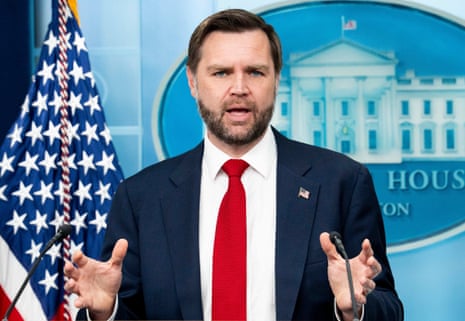
U.S. officials said the ceasefire was back on, but clashes kept the pause fragile and the U.S.-Iran talks were delayed.
The bottom line: The ceasefire was reaffirmed, but clashes and the delayed U.S.-Iran talks still make it fragile.
What happened: U.S. officials said the Lebanon ceasefire framework was back in force. Attacks and retaliation continued around the scheduled start time, and the U.S.-Iran talks were pushed back.
Why it matters: Middle East security feeds directly into diplomacy, oil, rates, and market sentiment.
What to watch: Watch whether ceasefire monitoring works in practice and whether the U.S.-Iran talks are reset.
U.S.-Iran talks are called off

The planned Switzerland talks were cancelled after the ceasefire fight flared again.
The bottom line: Renewed fighting in Lebanon hit the talks meant to support the deal.
What happened: The Switzerland talks were cancelled after Hezbollah and Israel exchanged fire. Vice President J.D. Vance’s travel was also called off.
Why it matters: A delay in nuclear diplomacy raises doubts about the ceasefire and heightens energy-market caution.
What to watch: Watch for any reset to the talks and whether the fighting keeps undercutting U.S. diplomacy.
Mail-voting lawsuit moves ahead

Democratic-led states and voting-rights groups were allowed to keep pressing their challenge after a federal judge's ruling.
The bottom line: States and groups challenging Trump’s mail-voting restrictions got to keep moving in court.
What happened: A federal judge in Boston ruled that Democratic-led states and voting-rights groups could continue the case. The plaintiffs say the executive order intrudes on state election powers.
Why it matters: The fight keeps the 2026 midterm debate over ballot access and state authority alive.
What to watch: Watch how broad the relief becomes and whether higher courts step in.
White House ballroom plan gets public funds

Federal money that had been aimed at the Secret Service was redirected into the White House ballroom project.
The bottom line: A project that was supposed to be privately funded is becoming public money through budget reprogramming.
What happened: The administration moved more than $35.2 million from money intended for the Secret Service into accounts tied to ballroom construction. Officials say the shift is justified on security grounds.
Why it matters: The move raises questions about spending justification and political transparency at the same time.
What to watch: Watch for congressional pushback, watchdog scrutiny, and any lawsuit that follows.
NSF reverses ocean observatory shutdown plan
After backlash from Congress, the National Science Foundation reconsidered plans to remove ocean-observatory equipment.
The bottom line: Congressional pushback is steering the U.S. ocean observatory network away from shutdown and toward continuation.
What happened: The National Science Foundation revisited its plan to remove equipment from the Ocean Observatories Initiative after lawmakers called it an overreach.
Why it matters: Losing the data would hurt climate research, ocean-current tracking, and disaster response.
What to watch: Watch how the continuation is funded and how the review process is formalized.
Economy
The Fed holds and signals a possible hike

The Fed left rates unchanged but kept the door open to a hike by year-end.
The bottom line: Even without a move, the market is starting to price in a year-end hike.
What happened: The Fed held at 3.5% to 3.75% and left open the possibility of a hike later in the year. Its statement also noted uncertainty from Middle East tensions.
Why it matters: That feeds directly into borrowing costs, equity valuations, and mortgage rates.
What to watch: Watch the next inflation prints and whether markets keep leaning toward hikes or cuts.
The dollar hits a one-year high

Rate-hike expectations are lifting the dollar and changing views across FX and commodities.
The bottom line: Hawkish Fed expectations are lifting the dollar and pressuring the euro and gold.
What happened: The dollar index climbed to a one-year high, with markets pricing in a 25-basis-point hike as soon as September. AI investment and stronger growth expectations also helped.
Why it matters: FX moves change import prices and capital flows, which in turn reshape financial conditions.
What to watch: Watch whether the dollar keeps rising or this proves to be a short-lived spike.
U.S. gas prices dip below $4

Lower crude prices and hopes of a reopened Strait of Hormuz pushed U.S. gasoline prices down.
The bottom line: Cheaper crude gives households a little relief, but prices are still well above pre-crisis levels.
What happened: The U.S. average gas price fell to $3.999, the first sub-$4 reading since March. Lower crude and hopes for a more open Hormuz Strait were the backdrop.
Why it matters: Fuel prices ripple into logistics, food, and airfares, so they matter for the inflation floor.
What to watch: Watch Iran developments, any oil-price rebound, and how fast household prices react.
UK borrowing jumps and yields rise

UK borrowing in May came in above expectations and pushed gilt yields higher.
The bottom line: A bigger-than-expected deficit pushed up the UK’s borrowing costs.
What happened: May borrowing exceeded forecasts, and 10-year gilt yields moved higher. Markets are again focusing on fiscal discipline.
Why it matters: Fiscal stress shows up quickly in bonds, currencies, and household loans.
What to watch: Watch the autumn fiscal outlook and the Bank of England’s response.
Mortgage rates remain elevated

Thirty-year fixed rates eased a bit, but they remain high for borrowers.
The bottom line: Fixed rates dipped, but they are still heavy for borrowers.
What happened: The 30-year fixed rate fell to 6.51%, but that is still above early-2026 levels. Inflation and geopolitical risk continue to weigh on housing.
Why it matters: Even small rate moves change total repayment costs for buyers and refinancers.
What to watch: Watch the Fed outlook and any repricing from lenders.
Technology
Google scales its AI chip business

Google is widening its AI compute supply chain by pushing TPU sales and new partnerships.
The bottom line: Google is pushing TPU beyond its own cloud and challenging Nvidia dependence.
What happened: Google is using financing support and partnerships to expand TPU adoption and deepen AI infrastructure spending. Its big cloud deals and Anthropic-related moves are emblematic.
Why it matters: AI compute could shift from a Nvidia-dominated market toward a more multipolar supply chain.
What to watch: Watch how far TPU sales spread and whether Nvidia’s pricing power changes.
Nvidia issues $20 billion in bonds

Nvidia began a $20 billion bond sale to help fund AI infrastructure.
The bottom line: AI investment is now spilling into the bond market, not just profits and equity.
What happened: Nvidia started a $20 billion bond sale to raise money for AI infrastructure and refinancing. Large tech firms keep pulling forward investment through debt.
Why it matters: The AI boom is now recycling capital through debt markets, not just equities.
What to watch: Watch underwriting demand and whether other hyperscalers follow.
OpenAI faces a 42-state probe
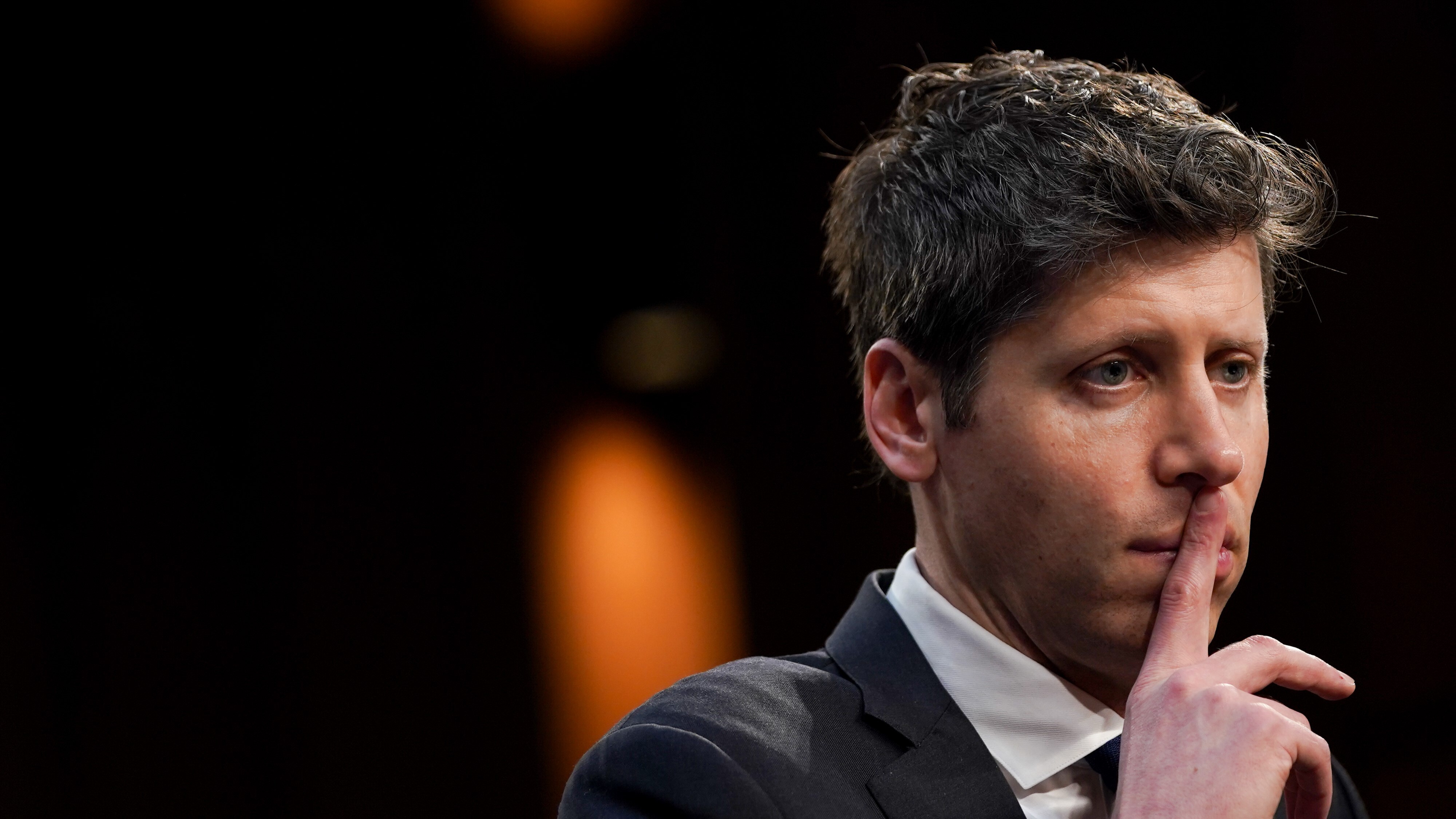
OpenAI is under a sweeping probe covering ads, data practices, minor safety, and model sycophancy.
The bottom line: Before safety debates end, data and advertising governance are already under scrutiny.
What happened: Forty-two state attorneys general launched an investigation into OpenAI covering ads, data handling, minors, and model sycophancy, shortly after IPO chatter.
Why it matters: Regulation of generative AI is starting to reach the business model itself, not just safety features.
What to watch: Watch the subpoena response and whether more state rules follow.
Apple rebuilds Siri from scratch

Apple said it abandoned incremental fixes and rebuilt Siri AI from the ground up.
The bottom line: Apple chose a rebuild rather than another incremental Siri update.
What happened: Apple said it abandoned its incremental plan and redesigned Siri AI from the ground up. Post-WWDC comments showed that the company changed course after an earlier prototype was ready.
Why it matters: Apple’s AI strategy is now a bet on rebuilding the experience, not just following rivals.
What to watch: Watch the quality of any release this year and the practical gap to rivals.
Apple and Intel are rumored to team up on U.S. chips

Rumors of an Apple-Intel tie-up resurfaced, putting advanced manufacturing back in focus.
The bottom line: If Apple shifts any production to Intel, it would be a meaningful supply-chain diversification move.
What happened: President Trump suggested Apple and Intel were working together, but neither company has confirmed it. Reporting points to Intel’s 18A-P and 14A nodes as possible options.
Why it matters: If it happens, Apple’s manufacturing dependence would loosen slightly from a TSMC-centric model.
What to watch: Watch for official Apple and Intel comments and any update on advanced-node production timing.
Cross-cutting read
- Geopolitical tension is reaching the real economy less through headlines than through oil, currency, and rate channels.
- AI investment is now large enough to spill into the bond market, not just equity spending plans.
- U.S. domestic politics is simultaneously litigating election rules, oversight, and federal spending.
What to watch next
- Whether the Israel-Hezbollah pause actually holds.
- How the Fed’s next signals interact with dollar strength, gasoline, and mortgage costs.
- Whether the OpenAI, Apple, and Google stories turn into formal filings or announcements.