Published
-
2026-07-06 Supreme Court, NATO, jobs and AI supply chains collide
Photo by Claire Anderson on Unsplash
2026-07-06 Supreme Court, NATO, jobs and AI supply chains collide
The weekend’s signal came from three directions at once. The U.S. Supreme Court set off a new immigration fight, Turkey tightened control before a NATO summit, and a weak U.S. jobs report strengthened the case for slower growth and a more cautious Federal Reserve. At the same time, AI hardware plans, memory shortages, and pressure on Google’s mobile business kept supply, pricing, and regulation on the same screen.
Politics
Birthright citizenship ruling

The Supreme Court blocked the White House move and left the next immigration fight open.
The bottom line: The Court stopped the White House move, but the immigration fight is still alive.
What happened: The Supreme Court stepped in on birthright citizenship and pushed the child-citizenship fight back to the front.
Why it matters: It goes straight to the core of immigration policy and will feed more state and federal litigation.
What to watch: Watch the scope of the injunction, new suits, and responses from Congress and state governments.
Birth-tourism crackdown

New restrictions surfaced immediately after the Court decision.
The bottom line: The administration is trying to turn a courtroom loss into tighter entry and visa enforcement.
What happened: The administration signaled a tougher line on birth tourism, shifting the focus to executive action.
Why it matters: The fight spills into screening, visas, and border policy, which can affect travel and family planning.
What to watch: Watch visa guidance, screening changes, and any legal challenge.
Turkey’s NATO leverage

Turkey entered the NATO summit with its leverage on display.
The bottom line: NATO’s agenda now runs through Turkey’s geopolitical leverage.
What happened: Ahead of the NATO summit, Erdogan’s government pushed its bargaining power to the front.
Why it matters: Turkey can shape the language on alliance unity, Ukraine support, and deterrence toward Russia.
What to watch: Watch the joint statement, any new support pledges, and Turkey’s demands.
Turkey tightens control

Pressure on domestic critics rose before the summit.
The bottom line: Before the summit, the government moved first against domestic dissent.
What happened: Detentions of journalists and a comedian hardened the political mood before NATO.
Why it matters: At summit time, outside partners also read the government’s domestic control.
What to watch: Watch for more detentions, protests, and any effect on the summit itself.
E. Jean Carroll payout fight

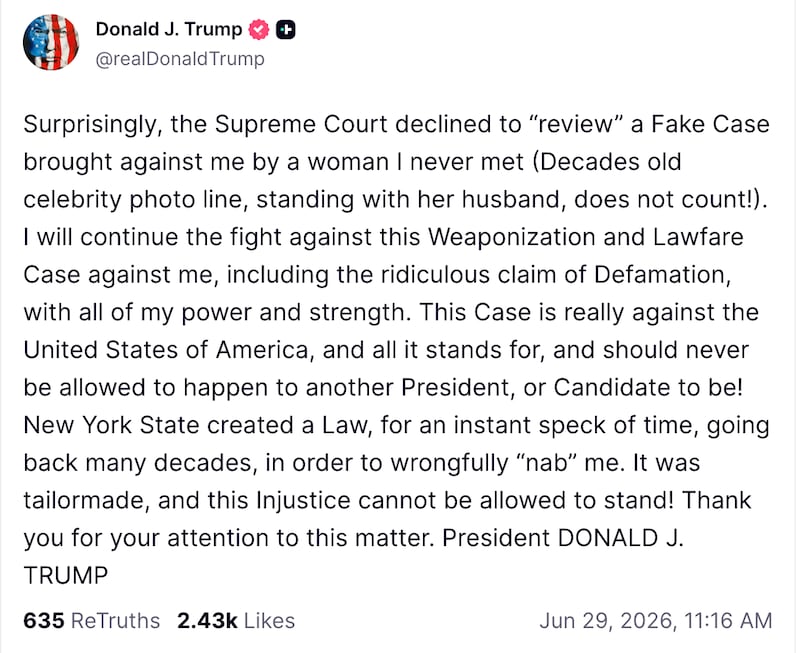
Trump kept trying to delay payment after the Supreme Court declined review.
The bottom line: The fight is now about timing and procedure, not just the underlying verdict.
What happened: Trump kept pressing for delay even after the Supreme Court stayed out.
Why it matters: The case remains both a political liability and a cash-flow issue.
What to watch: Watch the lower-court deadline, payment terms, and any further appeal.
Economy
Jobs report slows
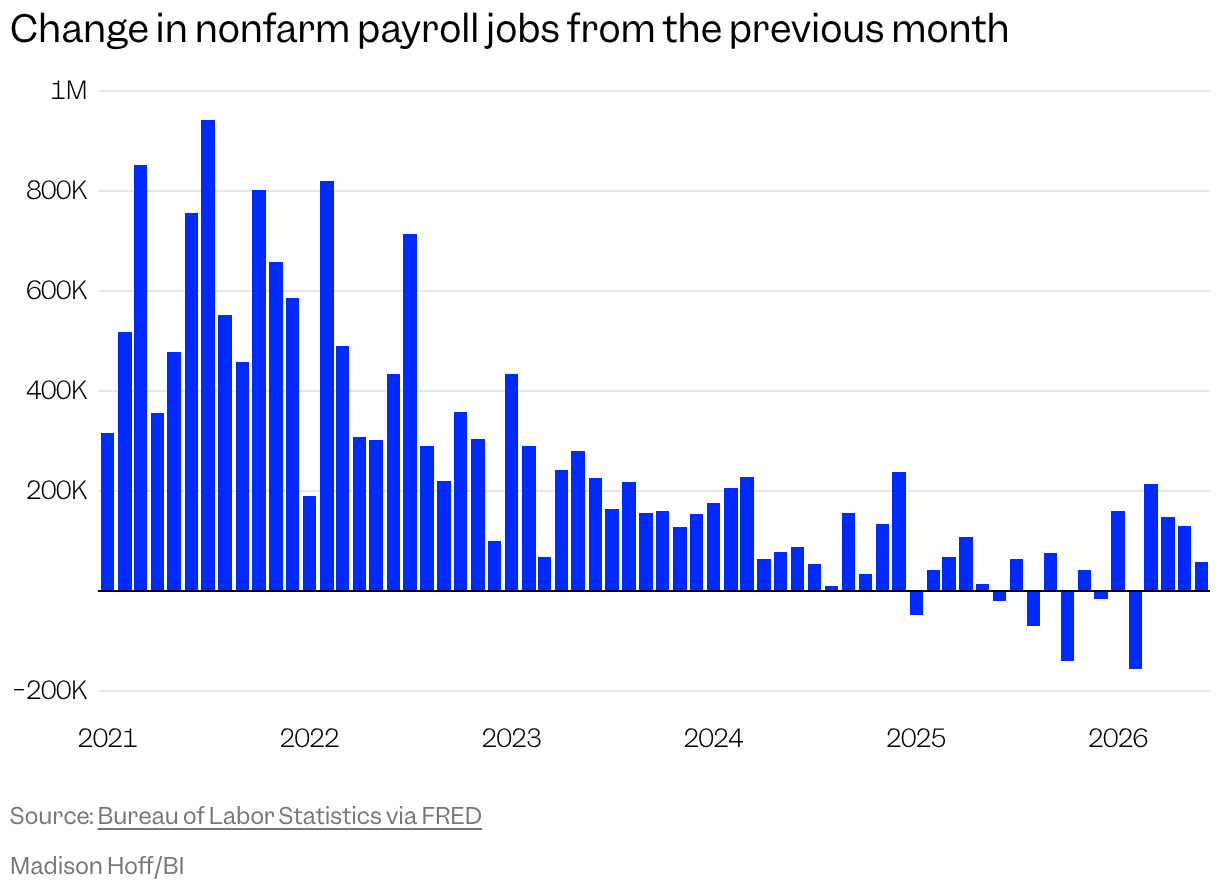
The labor market cooled as job growth came in weak.
The bottom line: Weak hiring moved both growth expectations and rate bets.
What happened: The June payroll print showed weaker momentum and pushed markets to price slower growth.
Why it matters: Jobs drive spending, so the slowdown hits both rates and household demand.
What to watch: Watch revisions, unemployment, and the next inflation print.
Fed hold odds rise
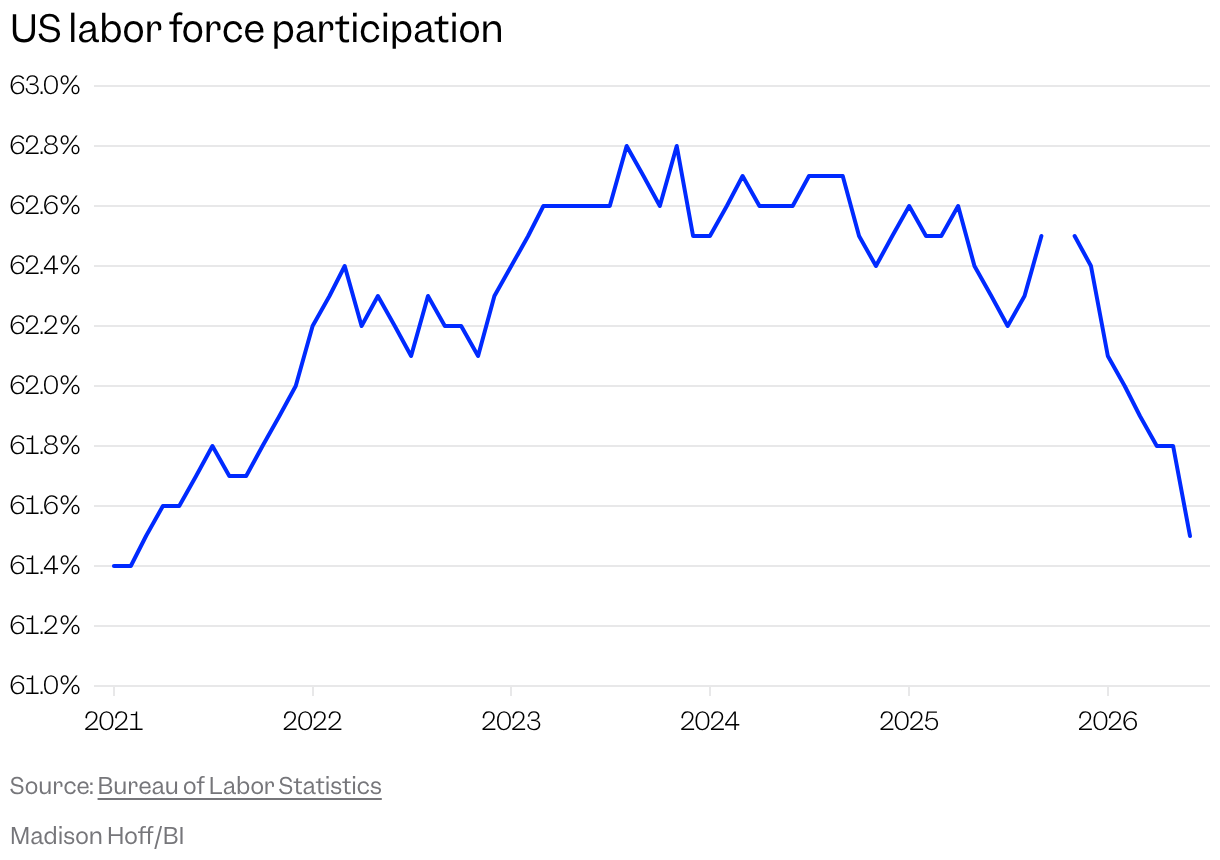
The same jobs data pushed July Fed hold odds higher.
The bottom line: The slower the economy looks, the less reason the Fed has to rush.
What happened: A weak jobs report made a July hold look more likely.
Why it matters: If rates stay put, mortgages, card rates, and corporate funding conditions stay sticky too.
What to watch: Watch Fed speeches and CPI for confirmation of the hold case.
Dollar and yields fall
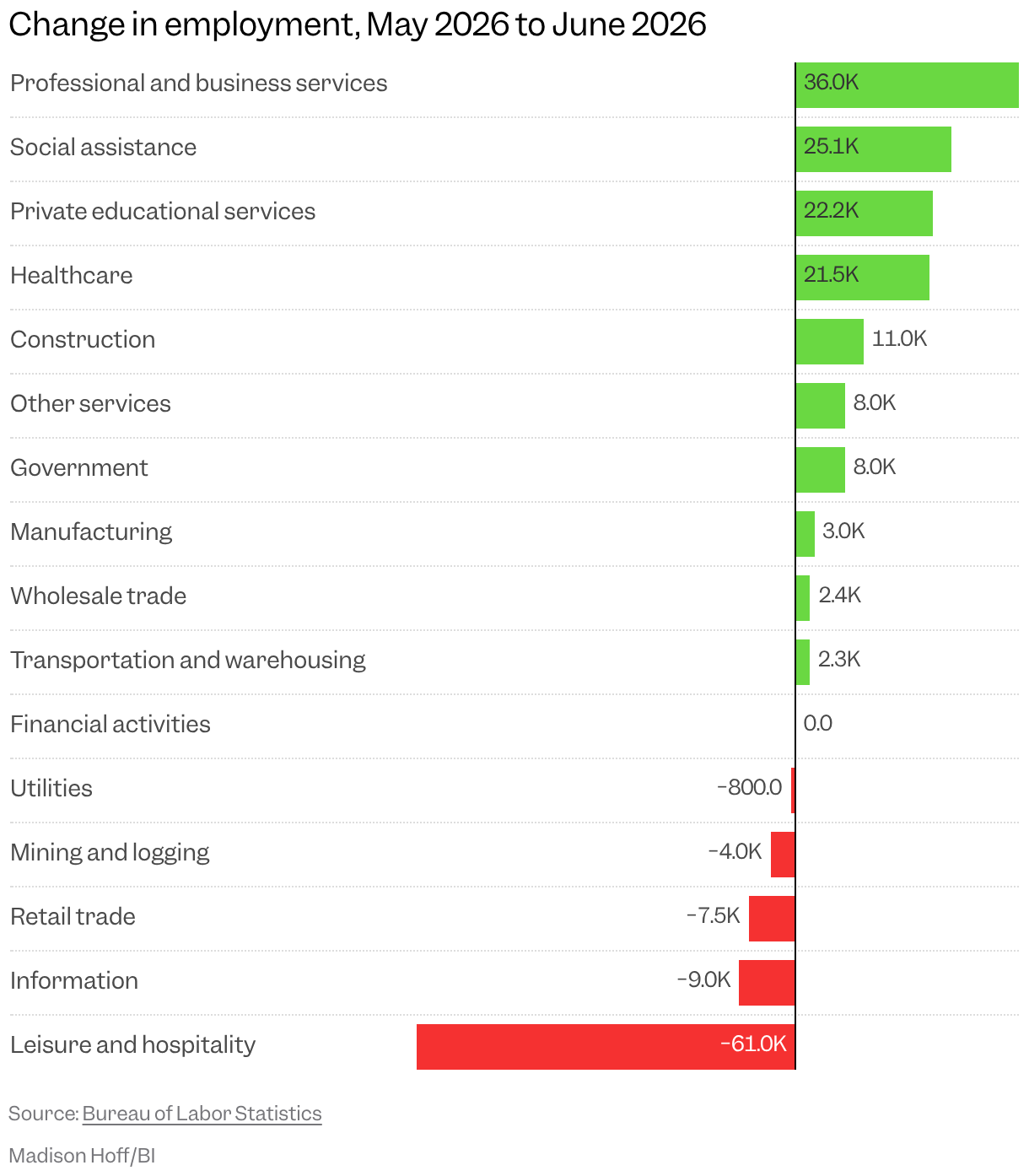
The weaker labor print pulled the dollar and Treasury yields lower.
The bottom line: Lower yields move FX, bonds, and equities together.
What happened: The weak jobs data pushed the dollar and Treasury yields down, with the yen story still in view.
Why it matters: Lower yields feed through borrowing costs into investment and housing demand.
What to watch: Watch the next inflation print, the yen, and the floor in 10-year yields.
Gas prices stay high

Holiday driving kept average U.S. gas prices elevated.
The bottom line: Holiday driving kept a visible household cost high.
What happened: Ahead of the holiday, gas prices hit their highest level since 2022.
Why it matters: Fuel prices hit consumer sentiment and travel spending quickly.
What to watch: Watch crude moves and the lag into retail prices through the summer.
Tariff ruling remains unsettled
The legal basis for tariffs stayed in flux, leaving import costs uncertain.
The bottom line: Tariffs move business plans through court dates as much as through announcements.
What happened: The tariff ruling left trade policy and import costs unsettled.
Why it matters: Companies cannot lock in pricing, inventory, or contract terms with confidence.
What to watch: Watch appeals, stays, and any new tariff authority the White House leans on.
Technology
OpenAI teases Codex hardware
OpenAI hinted at new Codex hardware ahead of a July 15 event.
The bottom line: OpenAI is pushing beyond models into the hardware and workflow around them.
What happened: A Codex Micro hardware tease surfaced and was read as a developer-facing next step.
Why it matters: AI firms are trying to own not just the model, but the environment it runs in.
What to watch: Watch for specs, pricing, and how the hardware is actually offered.
Microsoft launches Frontier Company
Microsoft launched a framework for enterprise AI deployment and operations.
The bottom line: Enterprise AI is moving from pilots to operating models.
What happened: Microsoft put enterprise support for deployed AI systems under the Frontier Company banner.
Why it matters: Deployment support, monitoring, and accountability are becoming as important as the model itself.
What to watch: Watch how it overlaps with Azure products and who signs up first.
Copilot-first OS leak
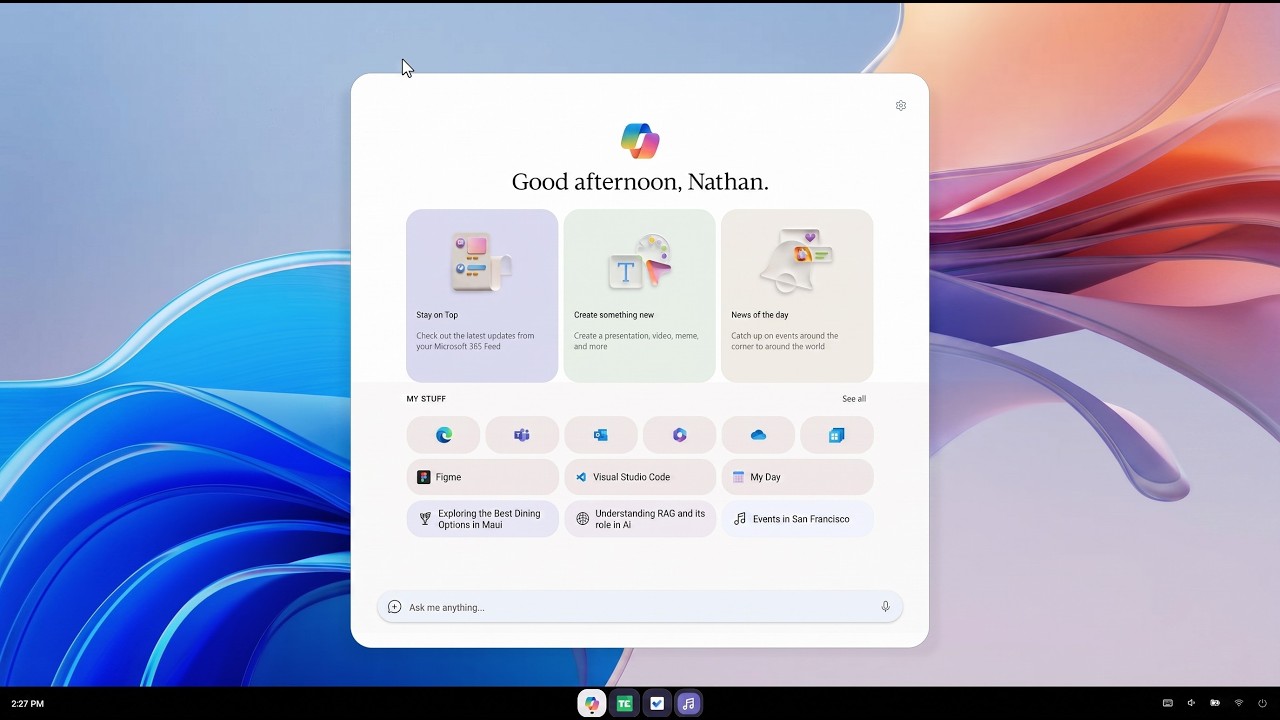
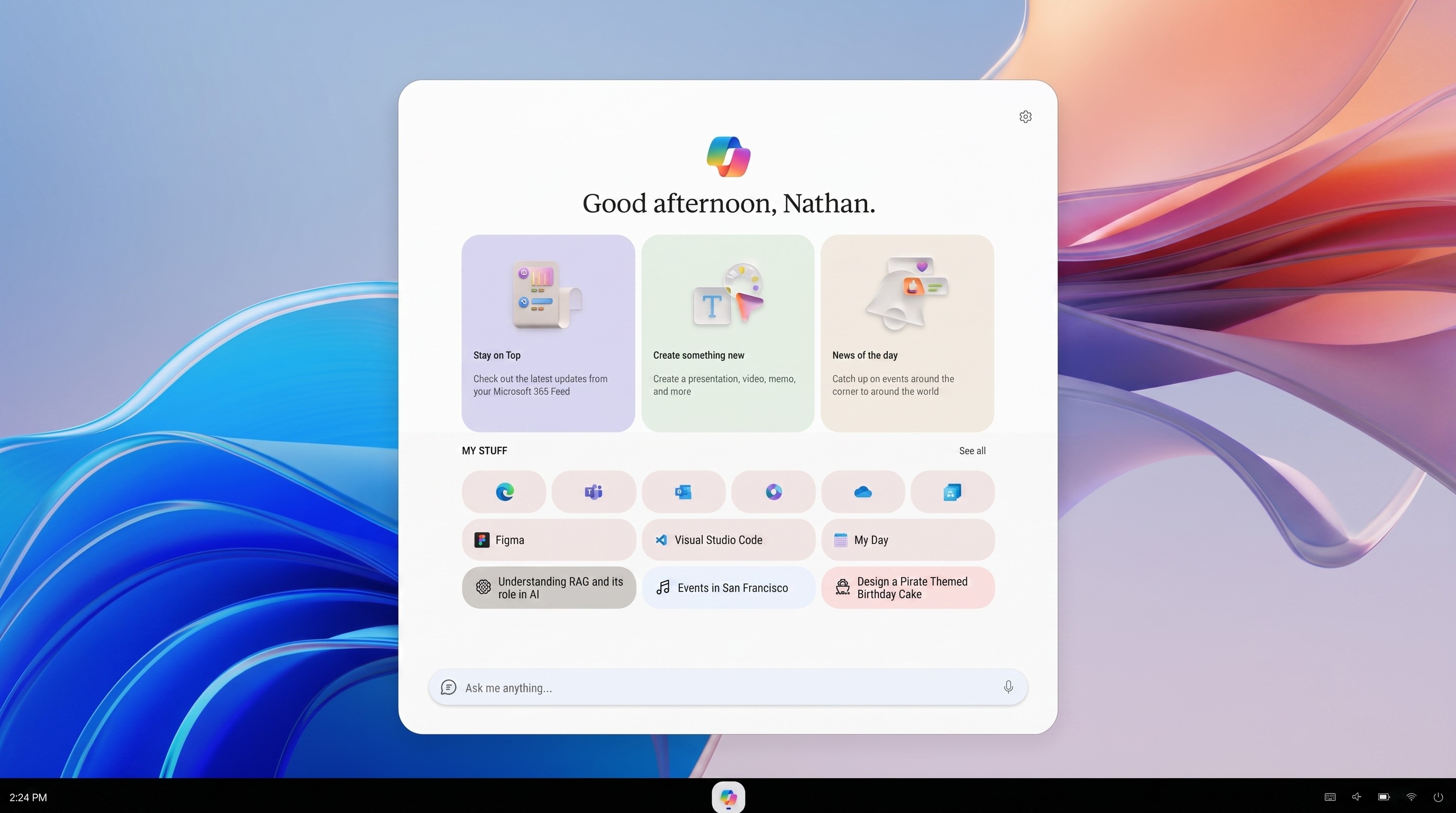
Microsoft explored a Copilot-centered lightweight OS concept.
The bottom line: Microsoft is still testing how far it can rebuild the OS around AI.
What happened: A leaked video showed a lightweight Windows concept built around Copilot and a new desktop UI.
Why it matters: The OS is both the place AI features live and the point where device strategy changes.
What to watch: Watch whether the concept reaches shipping devices or stays an experiment.
Google antitrust pressure continues

The Android-related fine stood, keeping pressure on Google's mobile strategy.
The bottom line: Google is dealing with regulation not just in search, but in Android distribution too.
What happened: An EU court upheld the fine, keeping regulatory pressure on Android in place.
Why it matters: It can spill into app stores, default search, and partner terms.
What to watch: Watch Google’s response and whether other regulators follow.
AI memory shortage deepens
AI demand tightened the memory market even further.
The bottom line: The AI boom is moving DRAM and HBM prices, not just model performance.
What happened: AI data center demand tightened supply and made the shortage feel worse.
Why it matters: It spreads into pricing for PCs, phones, servers, and AI accelerators.
What to watch: Watch supplier price hikes and inventory through 2027.
Cross-cutting read
- Court rulings are acting as the start of the next enforcement round, not the end of the fight.
- A softer labor market is feeding into rate expectations, consumer demand, and import-cost planning.
- AI constraints are showing up in chips, operating systems, and enterprise deployment faster than in model demos.
What to watch next
- Watch for new immigration filings or administrative steps after the Supreme Court ruling.
- Watch the NATO summit text on defense spending, Ukraine, and Russia.
- Watch the July Fed meeting and whether memory prices keep climbing into late summer.