Published
-
2026-06-08 Tariffs and AI investment reshape policy, markets, and products
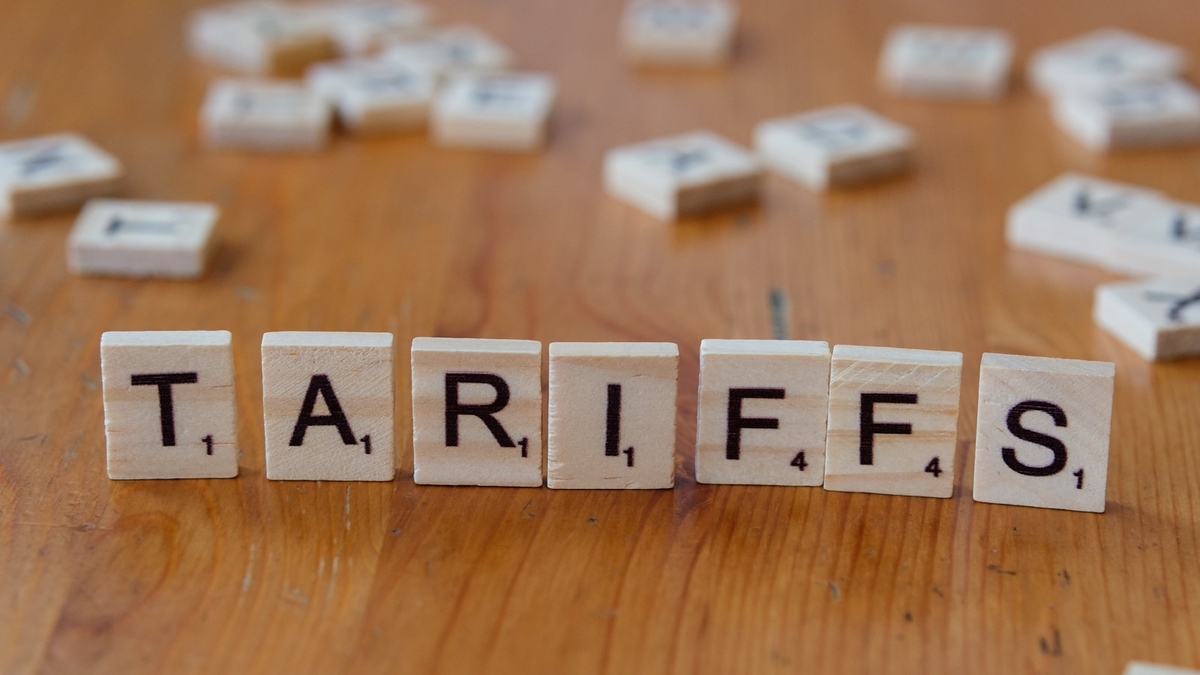
Photo by Markus Winkler on Unsplash
2026-06-08 Tariffs and AI investment reshape policy, markets, and products
The last 48 hours showed tariffs and trade talks widening political uncertainty, while jobs data and rate expectations pushed markets to reprice risk and AI product updates and cloud contracts kept product competition moving.
Politics
Forced-labor tariff proposal for 60 economies

The agency tied a tariff proposal to enforcement gaps across 60 economies.
What happened: USTR proposed extra tariffs on imports tied to forced-labor enforcement gaps across 60 economies and opened a July comment window.
Why it matters: Trade pressure is now broader than a single country case, which makes supply-chain compliance a larger policy and earnings risk.
What to watch next: Watch for exemption requests or separate negotiation tracks before the July deadline.
Proposed 25% tariff on Brazil

The tariff fight is being linked to digital trade, ethanol access, and anti-corruption disputes.
What happened: U.S. trade officials proposed a 25% tariff on Brazilian imports and brought digital trade, market access, and other grievances into the open.
Why it matters: Brazil sits in both supply chains and agricultural exports, so the tariff question quickly becomes a political and corporate earnings issue.
What to watch next: Watch Brazil’s response and whether Washington narrows the list of affected products.
EU moves to remove duties on U.S. goods

The committee moved to carry out a trade deal and avoid a new clash with Washington.
What happened: A European Parliament committee moved to remove tariffs on U.S. goods and avoid a renewed trade clash.
Why it matters: The EU move could cool retaliation pressure and spill into other trade files.
What to watch next: The full parliamentary vote and the reaction from member states will show how durable the shift is.
Supreme Court backs the FCC and SEC

The court appeared to support federal regulators' enforcement and procedural reach.
What happened: The U.S. Supreme Court issued decisions that favored the FCC and SEC and reinforced the procedural position of federal regulators.
Why it matters: If regulators keep their enforcement edge, telecom, securities, and tech-adjacent companies will need to revisit litigation strategy.
What to watch next: The next wave of administrative cases will show how much room companies have to narrow the fight.
U.S.-India trade deal could land by mid-July

India's trade minister said the first tranche of the deal could be done by mid-July.
What happened: India’s trade minister suggested that the first tranche of a U.S.-India trade deal could be done by mid-July.
Why it matters: The talks affect tariff relief as well as export conditions for IT, manufacturing, and farm goods.
What to watch next: The key question is whether the mid-July target holds or slips under tariff pressure.
Economy
U.S. jobs stayed resilient in May

Nonfarm payrolls rose by 172,000 and the unemployment rate held at 4.3%.
What happened: The May U.S. jobs report showed 172,000 nonfarm payroll gains and a flat 4.3% unemployment rate.
Why it matters: That kind of resilience slows the case for early rate cuts and keeps the soft-landing debate alive.
What to watch next: Wage growth and revisions to prior months will matter for the next rate narrative.
ECB faces a renewed hike debate

The market is watching how strongly the ECB leans against renewed inflation pressure.
What happened: The ECB heads into next week’s meeting with renewed attention on whether inflation pressure is strong enough to justify a hike.
Why it matters: Eurozone rates affect mortgages, corporate investment, and the dollar-euro spread.
What to watch next: The statement after the meeting will show how much room the ECB leaves for a pause.
RBI holds at 5.25%

The RBI held rates even as the currency softened and growth slowed.
What happened: The Reserve Bank of India held its main policy rate at 5.25% and kept balancing currency weakness against growth concerns.
Why it matters: A hold in an emerging market can still move capital flows, imported inflation, and Asian market sentiment.
What to watch next: Watch for a rebound in the rupee and the next inflation prints before the next meeting.
AI optimism pushes U.S. stocks higher

HPE and Alphabet helped keep the U.S. stock rally going.
What happened: AI-related spending hopes tied to HPE and Alphabet helped push U.S. equities to fresh highs.
Why it matters: AI capex is no longer just a stock-picking theme; it is becoming a market-wide driver.
What to watch next: Earnings calls will show whether AI spending can prove its return on investment.
AI buildout ripples through Treasury markets

Data-center demand and financing needs are spilling into bond pricing.
What happened: Data-center investment for AI is spilling into an inflation-sensitive Treasury market.
Why it matters: The AI boom is now touching long rates and the cost of capital, not just equities.
What to watch next: Watch whether issuance pressure or macro data leads the next move in yields.
Technology
NVIDIA pushes RTX Spark as an AI PC platform

The company is pushing RTX Spark as a way to turn Windows PCs into AI devices.
What happened: NVIDIA pushed RTX Spark as a way to turn Windows PCs into local AI devices.
Why it matters: Moving inference away from the cloud changes both device upgrade cycles and AI compute economics.
What to watch next: The key test is when major PC vendors ship compatible systems.
Meta unveils a business AI agent

The company framed the tool as an automated reply layer for ads and sales.
What happened: Meta introduced a business AI agent for automated ad replies and sales support.
Why it matters: The AI race is moving from chat features toward workflow automation, which is tightly linked to ad revenue.
What to watch next: Watch how deeply the tool is tied into existing ad products and whether smaller firms can afford it.
Meta chatbot breach spotlights security risk

The incident highlighted the security tradeoff that comes with faster AI deployment.
What happened: A reported breach involving Meta’s AI chatbot renewed concern about how automation is being secured.
Why it matters: Fast deployment without strong access controls or logging can turn a product win into an incident.
What to watch next: Watch for a formal remediation response before the next feature rollout.
OpenAI upgrades Memory

ChatGPT memory got an upgrade, and active sessions management was refreshed.
What happened: OpenAI upgraded ChatGPT Memory and updated active sessions management.
Why it matters: Better personalization raises the value of the product, but it also makes privacy boundaries more visible.
What to watch next: Watch which regions and user groups get the rollout first and how clear the controls are.
SpaceX signs a cloud contract with Google

An SEC filing confirmed the cloud arrangement with Google.
What happened: SpaceX disclosed a cloud contract with Google in an SEC filing, signaling a push to secure more compute capacity.
Why it matters: The link between space, connectivity, and cloud services keeps widening the competition for AI compute supply.
What to watch next: The contract size and workload mix will show whether rivals need to accelerate similar deals.
Cross-cutting view
- Tariffs and court rulings moved at the same time, putting trade and regulatory uncertainty back in the center of policy risk.
- Jobs data showed resilience, but ECB and RBI decisions still sit in a tug of war between inflation and growth.
- AI spending is helping equities, yet it also feeds directly into Treasury yields and financing costs through data-center demand.
- On the product side, AI capability gains and security failures are advancing together, so speed alone is no longer a durable edge.
Unresolved items to watch
- Whether the first U.S.-India trade tranche really closes by mid-July.
- Whether the ECB actually hikes next week or just toughens its inflation language.
- Whether OpenAI, Meta, and SpaceX-linked updates keep improving capability without adding more operational and security burden.
2026-06-08 関税攻勢とAI投資が政策・市場・製品更新を揺らす
直近48時間は、関税と通商交渉が政治の不確実性を広げる一方で、雇用統計と金利観測が市場の再評価を促し、AI関連の機能更新とクラウド契約が製品競争をさらに押し上げた。
政治
60経済圏への強制労働関税案
60の経済圏を対象に、強制労働への対応不足を理由とする関税措置案を示した。
何が起きたか: USTRは、強制労働への対応が不十分だとして60の経済圏に追加関税案を示し、7月の意見募集に入った。
なぜ重要か: 関税の論点が個別国対応からサプライチェーン全体のコンプライアンスに広がっており、輸出企業の見通しを一段と不安定にする。
今後の注視点: 7月の締切までに、対象経済圏が例外扱いを求めるのか、別の交渉枠組みを探るのかを確認したい。
ブラジル向け25%関税案
デジタル貿易やエタノール、森林破壊などをめぐる対立が関税案に結びついた。
何が起きたか: 米通商当局は、ブラジルからの輸入に25%関税を課す案を示し、デジタル貿易や市場アクセスをめぐる不満を表面化させた。
なぜ重要か: ブラジルは供給網と農産品輸出の双方で影響が大きく、関税がそのまま政治問題と企業収益の問題に重なる。
今後の注視点: ブラジル側の対抗措置と、米側が対象品目を絞るかどうかが次の焦点になる。
EUの対米関税撤廃前進
米欧通商合意の実装に向け、域内の関税調整を進める動きが報じられた。
何が起きたか: 欧州議会の委員会は、米国製品への関税を外して通商摩擦の再燃を避ける方向に進んだ。
なぜ重要か: EU側の調整は、米国との関税報復合戦を抑えるだけでなく、他の通商案件にも連鎖する。
今後の注視点: 本会議での採決と、加盟国がこの動きをどこまで受け入れるかを追う必要がある。
最高裁、FCCとSECを支持
連邦規制当局の手続きを支える判断が、通信と証券の実務に波及する可能性がある。
何が起きたか: 米最高裁は、FCCとSECに有利な判断を示し、連邦規制当局の手続きを支える流れを強めた。
なぜ重要か: 規制当局の執行力が維持されると、通信、証券、テック周辺の企業は訴訟戦略を見直す必要が出る。
今後の注視点: 同種の行政訴訟で、企業側がどこまで争点を狭められるかが次の注目点になる。
米印通商交渉、初弾は7月中旬か
インド通商相は、米印の合意第1弾が7月中旬までにまとまる可能性を示した。
何が起きたか: インド通商相は、米印貿易合意の第1弾が7月中旬までにまとまる可能性を示し、交渉が大詰めに近いことを示唆した。
なぜ重要か: 対米交渉は関税回避だけでなく、IT、製造業、農産品の輸出条件を左右する。
今後の注視点: 7月中旬の目標が維持されるか、関税圧力との綱引きで後ずれするかを見たい。
経済
米雇用は5月も底堅い
非農業部門雇用者数は17.2万人増で、失業率は4.3%だった。
何が起きたか: 5月の米雇用統計は非農業部門雇用者数が17.2万人増となり、失業率は4.3%で横ばいだった。
なぜ重要か: 景気減速の警戒が残るなかでも雇用の底堅さが確認され、利下げ時期の見方を遅らせる材料になる。
今後の注視点: 賃金伸び率と前月改定が次の金利観測を左右する。
ECB、来週の利上げ観測
来週の会合を前に、ECBの政策スタンスが再び注目されている。
何が起きたか: ECBは来週の会合を前に、インフレ再加速への警戒を軸に利上げ観測が強まっている。
なぜ重要か: 欧州金利の方向感は、ユーロ圏の住宅ローンや企業投資だけでなく、ドルとの金利差にも影響する。
今後の注視点: 会合後の声明で、次回以降の据え置き余地がどれだけ示されるかを確認したい。
RBIは5.25%据え置き
ルピー安と成長減速のあいだで、金利据え置きが選ばれた。
何が起きたか: インド準備銀行は主要政策金利を5.25%で据え置き、通貨安と成長の両方をにらむ姿勢を続けた。
なぜ重要か: 新興国の金利据え置きは資本流出リスクと輸入インフレのバランスを反映し、アジア市場にも波及する。
今後の注視点: ルピーの反発余地と、次回会合までの物価データに注目したい。
AI期待で米株が高値更新
HPEとAlphabetのAI関連材料が、米株の上昇に火をつけた。
何が起きたか: HPEとAlphabetを起点にAI投資の追い風が意識され、米株は高値圏を試した。
なぜ重要か: AI関連の設備投資が、単なるテーマ株ではなく指数全体の相場けん引役になっている。
今後の注視点: 企業決算でAI投資の回収可能性が示せるかどうかが、上昇継続の鍵になる。
AI建設ブーム、米国債利回りを押し上げ
AI向け建設と資金需要が、インフレ圧力のある国債市場にも影響している。
何が起きたか: AI向けデータセンター投資が拡大するなかで、インフレ気味の国債市場にまで波紋が広がった。
なぜ重要か: 生成AIの投資ブームは株式だけでなく、長期金利や資金調達コストにも直接効く。
今後の注視点: 発行増と景気指標のどちらが金利形成を主導するかを追いたい。
技術
NVIDIA RTX SparkがPCをAI端末化
Windows PCをAI端末化する新しい推進軸として、RTX Sparkを訴求した。
何が起きたか: NVIDIAはRTX Sparkを軸に、Windows PCをローカルAI端末として使う流れを押し出した。
なぜ重要か: クラウド依存を減らす方向は、端末更新サイクルとAI推論コストの両方に影響する。
今後の注視点: 主要PCベンダーがいつ対応機を出すかで、実需の立ち上がりが見えてくる。
Metaの法人向けAI Business Agent
広告や営業の自動応答を担う企業向けAIエージェントを案内した。
何が起きたか: Metaは、広告対応や営業支援を自動化する法人向けAI Business Agentを打ち出した。
なぜ重要か: 生成AIの競争はチャット機能から業務自動化へ移っており、広告収益との接続が強い。
今後の注視点: 既存の広告商品とどこまで統合されるか、そして中小企業でも使える価格帯かを見たい。
Meta AIチャットボット侵害
自動化の利便性と、データ保護の弱点が同時に注目された。
何が起きたか: MetaのAIチャットボットに関する侵害が報じられ、自動化の安全設計が改めて問われた。
なぜ重要か: 生成AIは導入速度が速いほど、権限管理とログ監査の弱さがそのまま事故につながる。
今後の注視点: 企業側の再発防止策が、機能追加より先に出るかどうかを確認したい。
OpenAIがMemoryを強化
ChatGPTの記憶機能強化と、稼働中セッション管理の更新が入った。
何が起きたか: OpenAIはChatGPTのMemoryを強化し、Active sessionsの管理も更新した。
なぜ重要か: 個人化の精度が上がるほど、利便性とプライバシーの線引きが製品評価の中心になる。
今後の注視点: どの地域・利用者層に順次展開されるかと、管理画面の分かりやすさを見ていきたい。
SpaceXがGoogleとクラウド契約
SEC開示で、Googleとのクラウド契約が確認された。
何が起きたか: SpaceXはGoogleとのクラウド契約をSEC開示で示し、計算資源の確保を進めた。
なぜ重要か: 宇宙・通信・クラウドの連携は、AI計算資源の調達先をめぐる競争を広げる。
今後の注視点: 契約規模と用途の内訳が見えてくると、他社も同様の調達を急ぐか判断しやすくなる。
横断的な見立て
- 関税と司法判断が同時に動き、通商と規制の不確実性が政策リスクとして再び前面に出た。
- 雇用統計は底堅さを示したが、ECBやRBIの金利判断はなおインフレと成長の綱引きにある。
- AI投資は株高の追い風になる一方で、国債市場と設備投資の資金需要を通じて金利にも跳ね返っている。
- 製品側では、AIの機能拡張と安全性の失敗が同時に進み、導入速度だけでは競争優位にならなくなっている。
追跡すべき未確定事項
- 米印通商交渉の初弾が本当に7月中旬にまとまるか。
- ECBが来週の会合で利上げに踏み込むのか、それともインフレ警戒を強めるだけで終わるのか。
- OpenAI、Meta、SpaceX関連の更新が、機能追加だけでなく安全性と運用負荷の面でも継続的に進むか。