Published
-
2026-06-15 Iran peace talks wobble as AI refreshes and rates stay high
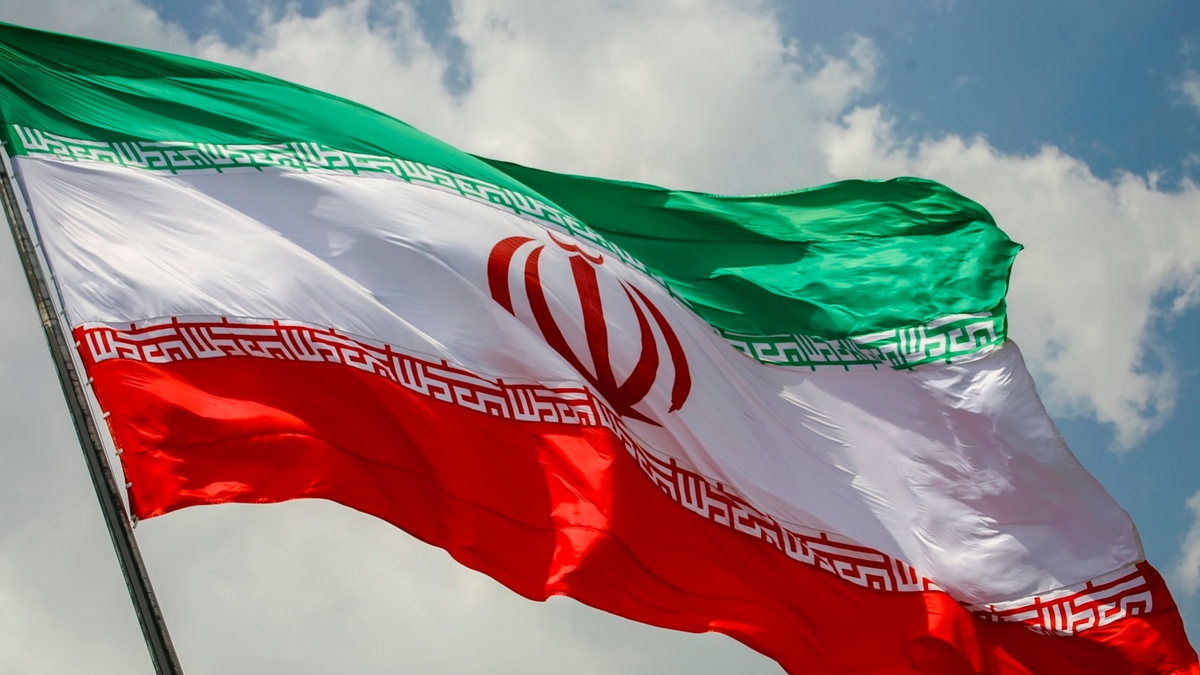
Photo by Akbar Nemati on Unsplash
2026-06-15 Iran peace talks wobble as AI refreshes and rates stay high
US-Iran peace talks are moving politics, oil, and rates at the same time, while major Apple, Google, and Microsoft updates dominate the tech side.
Politics
Beirut strike delays the talks
This report ties the Beirut strike directly to the fragile pace of the peace talks.
The bottom line: The Beirut strike shows how fast the Iran deal can slip when regional fire flares up.
What happened: Israeli airstrikes on Beirut killed and injured civilians, and Trump said the attack delayed the expected peace deal by hours.
Why it matters: The episode keeps the diplomacy fragile because every new strike can change the bargaining position.
What to watch: Watch whether mediators can keep the text moving while Israel and Hezbollah keep trading fire.
Hardliners push back in Tehran

This report shows the draft agreement turning into a domestic political fight inside Iran.
The bottom line: Iran’s hardliners are trying to turn the draft deal into a domestic fight.
What happened: Critics say the proposal does not guarantee sanctions relief or control of the Strait of Hormuz.
Why it matters: If the backlash widens, Tehran may have less room to sign anything that looks like a concession.
What to watch: Watch whether Iranian officials can sell the agreement as leverage rather than surrender.
Hormuz becomes the trade-off
This note centers the shipping clause and the sanctions swap inside the broader talks.
The bottom line: The Hormuz trade-off is now the center of the talks.
What happened: Qatari mediators are pushing a memorandum that would reopen the strait in exchange for sanctions relief.
Why it matters: That would reshape shipping and energy flows well beyond the immediate ceasefire.
What to watch: Watch for any sign that the shipping clause survives once nuclear and missile issues are added back in.
FISA gets tied to voting
This report explains how Section 702 and a voting bill ended up in the same fight.
The bottom line: FISA renewal is being used as leverage for Trump’s voting bill.
What happened: Section 702 lapsed after the House failed to extend it, and Trump is linking its renewal to the SAVE America Act.
Why it matters: The move turns a surveillance deadline into a broader voting-rights fight inside the GOP.
What to watch: Watch whether Senate Republicans break the logjam or let the lapse shape the next intelligence fight.
UFC turns into a crypto story
This story shows the White House event turning into a token and ethics debate.
The bottom line: The White House UFC event has become a crypto and ethics story.
What happened: UFC said fighter bonuses at the White House card will be paid in USD1, a coin tied to Trump’s business circle.
Why it matters: That makes a ceremonial sports event look like political branding for a private token.
What to watch: Watch for more scrutiny of the sponsorships, the payment structure, and any conflict-of-interest claims.
Economy
Cheaper gas lifts sentiment
This story connects lower gasoline prices with a modest improvement in consumer mood.
The bottom line: Lower gas prices are giving households a small but real mood lift.
What happened: A University of Michigan survey found consumer sentiment improved in June as average gasoline prices fell from $4.50 to $4.10 a gallon.
Why it matters: Energy costs still shape how Americans judge the economy, so even modest relief can matter politically.
What to watch: Watch whether the sentiment bounce holds if inflation stays high and the Middle East stays volatile.
Claims rise, layoffs do not
This story keeps the jobs-market signal from being read as a broad layoff wave.
The bottom line: The job market still looks solid even as claims rose to a four-month high.
What happened: Initial jobless claims climbed to 229,000 for the week ending June 6, but the jump looks seasonal rather than like a layoff wave.
Why it matters: That keeps recession fears in check and gives the Fed room to stay cautious.
What to watch: Watch the next payrolls and continuing-claims prints for signs that the summer pattern is breaking.
PPI shakes the tape

This market note captures how hotter wholesale inflation cooled futures.
The bottom line: Wholesale inflation is still hot enough to shake markets.
What happened: Fresh data showed producer prices rose more than expected, and futures trimmed gains after the report.
Why it matters: A sticky PPI reading makes it harder to argue that inflation pressure is fading fast.
What to watch: Watch whether consumer prices and the Fed narrative confirm that the PPI bump is temporary or persistent.
The ECB hikes again
This report shows the European Central Bank reacting to inflation pressure tied to the Middle East.
The bottom line: The ECB has restarted hiking to fight war-driven inflation.
What happened: The central bank raised its deposit rate from 2% to 2.25% as eurozone inflation hit 3.2% in May.
Why it matters: Europe is now treating Middle East energy shocks as a policy problem, not just a market shock.
What to watch: Watch whether growth weakens enough to limit the next rate moves later this year.
Mortgage rates stay sticky

This note keeps the housing-cost squeeze in view.
The bottom line: Mortgage rates are still stuck in a zone that keeps buyers cautious.
What happened: The average 30-year fixed rate held at 6.55% in June, with the 15-year rate at 5.92%.
Why it matters: That keeps housing affordability tight even after some easing earlier in the year.
What to watch: Watch Treasury yields and the next Fed meeting for any sign that financing costs are about to ease.
Technology
Siri gets an AI reset
This story tracks Apple bringing Siri closer to an AI assistant.
The bottom line: Apple’s new Siri is finally turning into a real AI product.
What happened: At WWDC, Apple showed Siri AI with more context, better dictation, and deeper access to personal content.
Why it matters: This is Apple’s clearest attempt yet to catch up with assistant-style AI from rivals.
What to watch: Watch the beta rollout, the regional restrictions, and whether the new Siri ships on schedule.
Cook exit raises succession questions
This WWDC coverage also provides the context for Apple leadership change chatter.
The bottom line: Cook’s exit adds a succession question to Apple’s AI push.
What happened: Apple said Tim Cook will step down as CEO on September 1 and John Ternus will take over.
Why it matters: That hands the next phase of Apple strategy to a hardware leader just as the company leans harder into AI.
What to watch: Watch whether Apple keeps the same pace on AI product launches once the leadership change lands.
Gemini Spark goes broad
This live blog captures Gemini Spark and the wider AI Ultra push.
The bottom line: Google used I/O to push Gemini from chatbot to daily operating system.
What happened: The keynote introduced Gemini Spark, new models, and a broader AI Ultra tier across Google’s products.
Why it matters: Google is now selling AI as an always-on service layer, not just a model family.
What to watch: Watch whether Spark, Search, and Docs actually change how people work outside the keynote demo.
Windows patch day gets huge
This report captures the unusually large June patch burden for Windows teams.
The bottom line: Microsoft’s June patch cycle is a record-sized security cleanup.
What happened: Patch Tuesday fixed nearly 200 flaws, including critical Windows issues and BitLocker-related bugs.
Why it matters: That makes patch management a bigger operational issue for enterprises and IT teams this month.
What to watch: Watch whether proof-of-concept code turns the patched bugs into real exploitation quickly.
Check Point faces a zero-day race
This report shows how a VPN flaw can move quickly into ransomware activity.
The bottom line: Check Point’s VPN zero-day has become an urgent government-grade patching problem.
What happened: CISA warned that CVE-2026-50751 is being exploited and told federal agencies to fix it immediately.
Why it matters: The case shows how fast VPN flaws can jump from vendor advisories to ransomware and government response.
What to watch: Watch whether more affected organizations surface and whether threat actors chain the bug with other access techniques.
Cross-cutting take
- Middle East diplomacy is now driving security, oil, and rates at the same time, so political headlines are feeding directly into household costs.
- FISA renewal and the White House UFC story both show politics, branding, and private incentives bleeding into public institutions.
- Apple and Google are converging on assistant-first AI, but the real test is whether the tools stay useful outside staged demos.
- Security patching is becoming a product story, not just an IT story, as Microsoft and Check Point both highlight the cost of delay.
What to watch next
- Watch for any signed Iran memo or fresh strike that changes the peace timeline.
- Watch the next inflation releases and the Fed meeting for signs that energy shocks are feeding through.
- Watch Apple’s beta gates and Google’s rollout schedule to see which AI features reach ordinary users first.
- Watch whether more zero-days or exploit proofs appear before enterprise patches fully land.
2026-06-15 イラン和平揺れ、AI刷新と高金利が同時進行
米イラン和平協議の揺れが政治と原油・金利を同時に動かし、Apple・Google・Microsoftの大型更新が技術面の主役になった。
政治
ベイルート空爆で交渉遅延
ベイルート空爆と和平協議の同時進行を伝え、交渉が数時間単位で揺れる状況を押さえる。
要点: ベイルート空爆で、米イラン和平は数時間単位で遅れるほど脆い。
何が起きたか: イスラエルの空爆で死傷者が出て、トランプ氏は和平合意が数時間遅れたと述べた。
なぜ重要か: 新たな攻撃が入るたびに交渉力学が変わるため、合意はきわめて不安定だ。
今後の注視点: 調停役が文言を詰める間に、イスラエルとヒズボラの応酬が続くかをみる。
イラン保守派が反発
イラン国内の強硬派が合意案を国内政治の争点にしていることを示す。
要点: イランの強硬派は、和平案を国内の拒否運動に変えようとしている。
何が起きたか: 批判派は、提案が制裁緩和や外交上の見返りを十分に保証していないと主張している。
なぜ重要か: 反発が広がれば、指導部は譲歩に見える合意をまとめにくくなる。
今後の注視点: 合意を「屈服」ではなく交渉カードとして説明できるかが焦点になる。
ホルムズ再開案が焦点
ホルムズ海峡の再開と制裁緩和が取引材料になっている点を追う。
要点: ホルムズ海峡の再開条件が、交渉の中心になっている。
何が起きたか: カタールの仲介で、海峡再開と制裁緩和を組み合わせた覚書案が前に出ている。
なぜ重要か: ここが動けば、停戦交渉を超えて海運とエネルギーの流れが変わる。
今後の注視点: 核やミサイルの論点が戻ったときに、海運条項が残るかを見る。
FISA再延長を巡る攻防
FISA 702の失効と投票法案の連結が、議会交渉の焦点になっている。
要点: FISA再延長は、トランプ氏の投票法案と引き換えに使われている。
何が起きたか: 下院が延長を通せずSection 702が失効し、トランプ氏はSAVE America Actへの結び付けを求めた。
なぜ重要か: 監視制度の期限が、党内の投票権争点に拡張されてしまった。
今後の注視点: 上院共和党が膠着を解くか、それとも失効状態を引きずるかをみる。
ホワイトハウスUFCとUSD1
ホワイトハウスUFCの報酬が、トランプ氏周辺の暗号資産に結び付いた。
要点: ホワイトハウスUFCは、暗号資産と倫理の話題になっている。
何が起きたか: UFCは、ホワイトハウス大会の選手ボーナスをトランプ氏周辺のUSD1で支払うと説明した。
なぜ重要か: 式典的なスポーツイベントが、私的トークンの政治的ブランディングに見えてしまう。
今後の注視点: スポンサー、支払い構造、利益相反の指摘がさらに強まるかをみる。
経済
ガソリン安で消費者心理改善
ガソリン安が米消費者心理を押し上げた点を押さえる。
要点: ガソリン安が、家計の気分を少し押し上げている。
何が起きたか: ミシガン大学の調査で6月の消費者心理が改善し、平均ガソリン価格は1ガロン4.50ドルから4.10ドルに下がった。
なぜ重要か: エネルギーコストは家計の景況感を左右し、政治判断にも波及しやすい。
今後の注視点: 中東の緊張が続いたときに、この改善が維持できるかを見る。
失業保険申請は増加も解雇増ではない
失業保険申請の増加が、雇用悪化そのものではない点を示す。
要点: 失業保険申請は増えたが、雇用崩れのサインとはまだ言いにくい。
何が起きたか: 6月6日週の新規失業保険申請は22万9000件に増えたが、増加は季節要因に見える。
なぜ重要か: リセッション懸念を抑え、FRBが慎重姿勢を続ける余地を残す。
今後の注視点: 次の雇用統計と継続受給件数で、夏場のパターンが崩れるかを見る。
PPI上振れでインフレ再燃懸念
卸売物価の上振れが市場心理を冷やした流れを整理する。
要点: 卸売インフレは、まだ市場を揺らせる熱さを残している。
何が起きたか: 新しいデータで生産者物価が予想以上に上がり、発表後に先物の上昇幅が縮んだ。
なぜ重要か: PPIがしつこいと、インフレ圧力が急速に消えたとは言いにくい。
今後の注視点: 消費者物価とFRBの説明が、この上振れを一時的とみるかを確認する。
ECBが利上げ再開
中東リスクが欧州の金融政策に波及している点を示す。
要点: ECBは、戦争由来のインフレに対抗して利上げを再開した。
何が起きたか: ユーロ圏インフレが5月に3.2%となる中で、ECBは預金金利を2.00%から2.25%に引き上げた。
なぜ重要か: 欧州は中東のエネルギーショックを、市場要因ではなく政策課題として扱っている。
今後の注視点: 成長が弱まって、年後半の追加利上げを止めるかを見る。
住宅ローン金利は6.55%で高止まり
住宅ローン金利の高止まりが続く点を押さえる。
要点: 住宅ローン金利は、買い手が慎重になる水準にまだ張り付いている。
何が起きたか: 6月の30年固定は平均6.55%で、15年固定も5.92%だった。
なぜ重要か: 年初より少し緩んでも、住宅の買いやすさは依然として厳しい。
今後の注視点: 国債利回りと次回FRB会合で、借入コストが下がる兆しをみる。
技術
Siri AIが刷新
AppleのAIアシスタント刷新を伝える。
要点: Appleの新しいSiriは、ようやく本格的なAI製品に近づいた。
何が起きたか: WWDCで、Appleは文脈理解や音声入力、個人コンテンツへのアクセスを強めたSiri AIを示した。
なぜ重要か: Appleが競合のアシスタント型AIに追いつく、最も明確な一歩になった。
今後の注視点: ベータ配信、地域制限、予定どおりの出荷可否をみる。
クック退任が視野
WWDC報道の中で、Appleの次の経営体制を読む材料を拾う。
要点: クック氏の退任が、AppleのAI推進に新しい継承論点を加えている。
何が起きたか: Appleは、ティム・クック氏が9月1日にCEOを退き、ジョン・ターナス氏が後任になると発表した。
なぜ重要か: ハードウェア主導の新トップが、AIを強めるApple戦略を引き継ぐことになる。
今後の注視点: 経営交代のあともAI製品の投入速度が落ちないかをみる。
Gemini SparkとAI Ultra
Google I/OでGemini SparkやAI Ultraが前面に出た流れを整理する。
要点: GoogleはI/Oで、Geminiをチャットボットから日常OSへ押し上げた。
何が起きたか: 基調講演では、Gemini Spark、新モデル、そしてGoogle製品全体に広がるAI Ultra層が示された。
なぜ重要か: GoogleはAIを単なるモデル群ではなく、常時稼働のサービス層として売り始めている。
今後の注視点: Spark、Search、Docsが、デモを超えて実際の作業を変えるかを見る。
Windowsの月例更新が過去最大
Windowsと周辺製品の大量修正が、運用面の負荷を高めている。
要点: Microsoftの6月更新は、記録級のセキュリティ整理になっている。
何が起きたか: Patch Tuesdayで約200件の脆弱性が修正され、Windowsの重大欠陥やBitLocker関連の不具合も含まれた。
なぜ重要か: 今月は、企業とIT担当にとってパッチ運用がより重い業務になる。
今後の注視点: 修正済みの欠陥が、実際の悪用コードに変わる速さをみる。
Check PointのVPNゼロデイ
VPN脆弱性がランサムウェア攻撃へつながった流れを示す。
要点: Check PointのVPNゼロデイは、緊急対応が必要な政府級パッチ課題になった。
何が起きたか: CISAはCVE-2026-50751が悪用されていると警告し、連邦機関に即時修正を求めた。
なぜ重要か: VPNの欠陥は、ベンダーの警告からランサムウェアや政府対応へ一気に広がる。
今後の注視点: 影響組織がさらに増えるか、攻撃者が他の侵入手口と組み合わせるかをみる。
横断的な見立て
- 中東の外交は、軍事とエネルギーと金融の三つを同時に動かしており、政治ニュースがそのまま家計と市場の論点になっている。
- FISA再延長とホワイトハウスUFCは、制度論よりも党内交渉やブランド戦略が前面に出た政治の形を示している。
- AppleとGoogleは、AIを機能追加ではなく製品の中核に置き直しており、競争軸がモデル性能から体験設計へ移っている。
- MicrosoftとCheck Pointの更新は、AIの普及が進むほどセキュリティ修正の速度が競争力になることを示している。
追跡すべき未確定事項
- イラン側が和平案に署名するのか、それとも国内反発で条件を引き直すのか。
- FISA失効への暫定措置が出るのか、夏の法案交渉まで持ち越すのか。
- ガソリン安と消費者心理の改善が、次のインフレ指標でも続くのか。
- AppleのSiri AIとGoogleのGemini Sparkが、一般利用者の導入速度でどこまで差をつけるのか。