Published
-
2026-06-24 NATO, Iran, rates, and AI investment moved together
2026-06-24 NATO, Iran, rates, and AI investment moved together
The June 24 news cycle linked security policy and markets. In politics, NATO mutual defense language and post-strike Iran intelligence claims drove the day. In the economy, investors watched the Fed, BOJ, oil, equities, and currencies through the same Middle East risk lens. In technology, AI stock swings, quantum orders, semiconductor materials, cybersecurity pressure, and AI server plans showed how AI investment now depends on power, supply chains, capital, and operating risk.
Politics
U.S. wording unsettles NATO defense pledge

U.S. comments on Article 5 unsettled allies' risk assessment.
The bottom line: NATO deterrence depends on U.S. words as much as military capacity.
What happened: AP reported that Trump left ambiguity around the U.S. commitment to NATO mutual defense.
Why it matters: Allies read U.S. intent before they price summit communiques or defense spending.
What to watch: Watch whether summit language reinforces Article 5 without caveats.
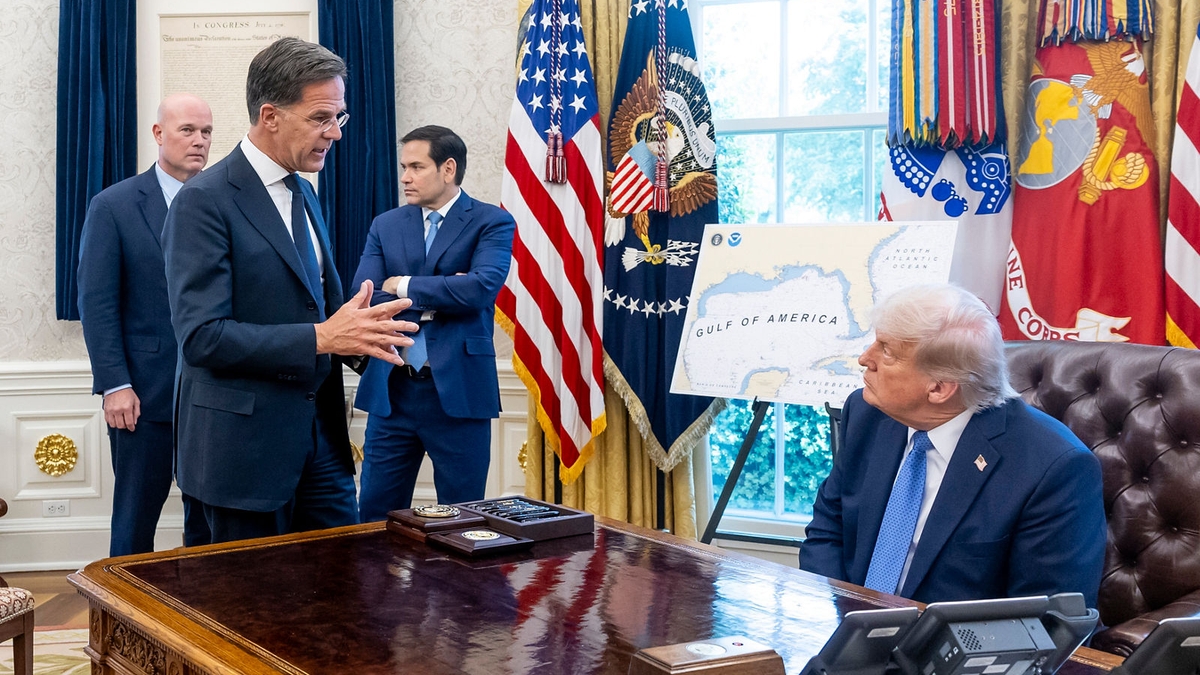
Rutte works the White House channel

The NATO chief's visit linked defense-spending diplomacy with Iran policy.
The bottom line: NATO needs to translate U.S. demands into a form allies can accept before the summit.
What happened: Secretary General Mark Rutte visited the White House for talks on burden-sharing and Iran.
Why it matters: The more Europe accommodates U.S. security demands, the more Russia deterrence and Middle East policy converge.
What to watch: Track whether spending targets connect to procurement plans and base-access cooperation.
Iran strike assessment becomes contested

The gap between early intelligence and administration claims became the issue after U.S. strikes.
The bottom line: Ambiguous strike results weaken both diplomacy and domestic justification.
What happened: AP reported that the administration defended the strike results despite an early intelligence assessment.
Why it matters: The delay inflicted on nuclear work anchors sanctions, compliance, and congressional oversight.
What to watch: Watch how independent reviews and congressional briefings describe damage and recovery.
Iran deal compliance becomes next test

Washington signaled further action if Iran does not comply with the deal.
The bottom line: Post-ceasefire stability depends more on compliance monitoring than the text itself.
What happened: Reuters reported Trump’s warning that he would act if Iran failed to live up to the deal.
Why it matters: Compliance risk moves oil, shipping, sanctions, and allied force posture together.
What to watch: Watch which bodies verify inspections, enrichment activity, and proxy behavior.
Israeli nuclear claims face scrutiny

AP fact-checked Israeli claims about Iran's nuclear program.
The bottom line: Overstated nuclear claims would narrow both strike justification and diplomatic room.
What happened: AP examined how Netanyahu’s statements matched public evidence.
Why it matters: Fact-finding during a crisis affects military decisions and allied support.
What to watch: Watch whether IAEA or U.S. intelligence assessments support Israeli claims.
Economy
Fed hike risk returns

Some Fed policymakers see a 2026 rate hike as inflation pressure persists.
The bottom line: Markets waiting for cuts may face delay as Fed officials refocus on inflation.
What happened: Reuters reported that nearly half of Fed policymakers see a 2026 hike as possible.
Why it matters: Longer high rates raise financing costs for housing, corporate debt, and AI data centers.
What to watch: Watch whether inflation and jobs data move hike supporters closer to a majority.
BOJ members press for faster hikes

A BOJ summary showed some policymakers called for faster additional hikes.
The bottom line: Japan’s rate normalization affects the yen and global bond demand.
What happened: Reuters reported that some BOJ members wanted faster follow-up hikes.
Why it matters: Persistent yen and import-price pressure forces the BOJ to balance growth and inflation.
What to watch: Watch wages, service prices, and JGB-market reactions before the next meeting.
Oil trades on ceasefire compliance

Ceasefire comments around the Middle East fed into Brent price moves.
The bottom line: Oil markets are more sensitive to signs of breach than to the ceasefire text.
What happened: Reuters reported Brent rose after warnings against breaking the ceasefire.
Why it matters: Energy prices complicate inflation decisions for both the Fed and the BOJ.
What to watch: Track Hormuz shipping risk, insurance costs, and OPEC comments.
U.S. stocks fade Iran-oil rally

U.S. stocks gave back part of a rally as oil started rising again.
The bottom line: Equities can buy de-escalation, then quickly fade when oil rebounds.
What happened: AP reported U.S. stocks slipped from the prior rally while oil resumed rising.
Why it matters: If geopolitical relief is short-lived, new stock highs need earnings support.
What to watch: Watch whether megacap tech or energy shares set the index direction.
Dollar-yen trades BOJ delay risk

Ceasefire uncertainty and perceived BOJ delay pressured currencies.
The bottom line: Yen weakness strengthens the hike case, but fast hikes can stress growth and bonds.
What happened: Reuters reported the dollar rose on ceasefire uncertainty while yen pressure reflected BOJ-delay expectations.
Why it matters: Currency moves feed import inflation, earnings, and foreign investors’ view of Japanese equities.
What to watch: Watch whether post-BOJ yen buying lasts or Fed-hike risk offsets it.
Technology
AI-stock swings move markets

A reversal in high-flying AI stocks became a broader Wall Street driver.
The bottom line: The AI trade now moves on profit-taking and financing costs as well as growth hopes.
What happened: AP reported another sudden reversal in AI stocks rattled Wall Street.
Why it matters: As AI shares lead indexes, small shifts in data-center spending or chip orders spread widely.
What to watch: Watch earnings calls for whether cloud firms keep AI capex plans intact.
U.S. pulls quantum target into focus

The U.S. moved to target a powerful quantum computer by 2028.
The bottom line: Quantum computing is moving from research agenda toward national targets and procurement.
What happened: A Reuters-distributed story said U.S. orders called for powerful quantum capability by 2028.
Why it matters: Government targets can speed private investment and hiring in cryptography, materials, and security.
What to watch: Watch budgets, procurement channels, and standards bodies for favored firms and labs.
$500 million targets chip materials

The U.S. awarded funding to Nvidia-backed SandboxAQ for semiconductor materials discovery.
The bottom line: AI-chip competition now extends beyond design into materials discovery and domestic manufacturing.
What happened: Reuters reported a U.S. award to SandboxAQ for new chipmaking materials.
Why it matters: Without materials breakthroughs, advanced packaging and power-efficiency roadmaps tighten.
What to watch: Watch when research moves into production processes and how export controls treat it.
AI accelerates cybercrime

AI-assisted flaw discovery and ransomware growth raise operational defense pressure.
The bottom line: Organizations without AI-enabled defense risk losing on response speed.
What happened: The World Economic Forum summarized how AI speeds flaw discovery and attacker operations.
Why it matters: Cybersecurity needs changed detection, decision, and containment processes, not only new tools.
What to watch: Watch whether firms shorten incident-response approval paths after deploying AI detection.
SoftBank plans AI-server production

SoftBank plans AI-server production at a former Sharp plant starting in fiscal 2027.
The bottom line: AI infrastructure competition extends from GPU sourcing to domestic server assembly and factory reuse.
What happened: Nikkei Asia reported SoftBank’s plan to make AI servers at a former Sharp plant.
Why it matters: Domestic compute capacity affects cloud costs, data sovereignty, and industrial policy.
What to watch: Power contracts, cooling systems, and GPU sourcing will decide feasibility.
Cross-cutting read
- Security-policy comments moved oil, currencies, equities, and rate expectations in the same window.
- AI investment is being judged through power, servers, materials, and cybersecurity constraints, not only model capability.
- Central banks face inflation and growth risks at once, leaving less policy space than markets would like.
What to watch next
- Whether NATO summit language narrows or widens uncertainty over U.S. mutual-defense commitments.
- Whether Iran agreement compliance pushes oil and shipping insurance risk higher again.
- Whether AI stock volatility spills into data-center power deals and semiconductor materials spending.
2026-06-24 NATOとイランを軸に、金利とAI投資が揺れた日
6月24日のニュースは、安全保障と市場の境界が薄くなった日として読める。政治では、NATOの相互防衛とイラン核施設攻撃後の説明責任が焦点になった。経済では、Fedと日銀の次の一手、原油、株式、為替が中東リスクに反応した。技術では、AI株の変動、量子計算、半導体素材、サイバー対策、AIサーバー投資が、研究開発から電力・供給網・資本政策へ広がった。
政治
NATO相互防衛に米国発言リスク
NATO条約5条をめぐる米国の発言が、同盟国のリスク評価を揺らした。
要点: NATOの抑止力は軍事力だけでなく、米国が言葉で約束を弱めないことにも依存する。
何が起きたか: APは、トランプ氏がNATOの相互防衛義務に含みを残す発言をしたと報じた。
なぜ重要か: 同盟国は共同声明や防衛費より前に、米国の意思が危機時に読めるかを見ている。
今後の注視点: 首脳会合後の文書が、5条への支持を明確な表現で補強するかを見る。
ルッテ氏が対米調整役を担う
NATO事務総長の訪米が、防衛費とイラン対応を結ぶ調整局面になった。
要点: NATOは首脳会合の前に、米国の要求を同盟国が受け止められる形へ翻訳する必要がある。
何が起きたか: ルッテ事務総長はホワイトハウスを訪れ、防衛費負担とイラン情勢をめぐる調整に入った。
なぜ重要か: 欧州側が米国の安全保障要求に応じるほど、対ロシア抑止と中東対応の議論は一体化する。
今後の注視点: 防衛費目標が、実際の調達計画や基地使用の協力に接続するかを追う。
イラン攻撃の成果評価が争点化
米国のイラン核施設攻撃をめぐり、初期情報評価と政権説明の差が焦点になった。
要点: 軍事行動の成果が曖昧だと、次の外交交渉も国内説明も弱くなる。
何が起きたか: APは、初期情報評価を受けても政権側が攻撃成果を強く主張したと報じた。
なぜ重要か: 核開発の遅延幅は、追加制裁、停戦履行、議会監視の前提になる。
今後の注視点: 独立した評価や議会説明で、施設被害と復旧可能性がどこまで示されるかを見る。
イラン合意の履行が次の焦点
米国は、イランが合意に従わない場合の追加対応を示唆した。
要点: 停戦後の市場安定は、合意文書より履行監視の実効性にかかる。
何が起きたか: Reutersは、トランプ氏がイランの合意違反時に行動すると警告したと報じた。
なぜ重要か: 履行リスクは、原油、海運、制裁、同盟国の軍事配置を同時に動かす。
今後の注視点: 査察、濃縮活動、代理勢力の行動をどの機関が検証するかが焦点になる。
イスラエルの核主張に検証圧力
イラン核開発をめぐるイスラエル側説明の根拠が、ファクトチェックで整理された。
要点: 核開発をめぐる説明が過大なら、攻撃の正当化と停戦後の外交余地が同時に狭まる。
何が起きたか: APは、ネタニヤフ氏の発言と公開情報の整合性を検証した。
なぜ重要か: 危機時の事実認定は、軍事判断だけでなく同盟国の支持維持にも影響する。
今後の注視点: IAEAや米情報機関の追加評価が、イスラエル側説明を補強するかを見る。
経済
Fed利上げ観測が再燃
Fed当局者の一部が、インフレ対応として2026年内利上げを視野に入れた。
要点: 市場の利下げ待ちは、Fed内部のインフレ警戒で後ろ倒しになりやすい。
何が起きたか: Reutersは、Fed当局者の約半数が年内利上げを選択肢に見ていると報じた。
なぜ重要か: 高金利が長引くほど、住宅、企業借入、AIデータセンター投資の資金コストが上がる。
今後の注視点: 次のインフレ指標と雇用統計で、利上げ派が多数に近づくかを見る。
日銀内で追加利上げ論
日銀会合要旨で、追加利上げを急ぐべきだという見方が示された。
要点: 日本の金利正常化は、円相場だけでなく世界の債券需給にも影響する。
何が起きたか: Reutersは、日銀の一部政策委員が早めの追加利上げを求めたと報じた。
なぜ重要か: 円安と輸入物価の圧力が残るほど、日銀は景気配慮との両立を迫られる。
今後の注視点: 賃金、サービス価格、国債市場の反応が次回会合の制約になる。
原油は停戦履行に反応
中東停戦をめぐる発言が、Brent原油の値動きに反映された。
要点: 原油市場は停戦合意そのものより、破られる兆候に敏感になっている。
何が起きたか: Reutersは、停戦破りへの警告後にBrent価格が上昇したと報じた。
なぜ重要か: エネルギー価格は、Fedと日銀のインフレ判断を同時に難しくする。
今後の注視点: ホルムズ海峡の航行リスク、保険料、OPEC側の発言を追う。
米株はイラン・原油で反落
米株はイラン関連の安心感で上げた後、原油の反発とともに一部を失った。
要点: 株式市場は緊張緩和を買っても、原油が戻ればすぐ利益確定に傾く。
何が起きたか: APは、米株が前日の上昇分の一部を失い、原油が再び上がったと報じた。
なぜ重要か: 地政学リスクの低下が短命なら、株式の高値更新には企業収益の裏付けが必要になる。
今後の注視点: 大型ハイテクとエネルギー株の動きが、指数全体の方向を分ける。
ドル円は日銀遅延観測で揺れる
停戦不透明感と日銀の政策遅延観測が、ドルと円の値動きに影響した。
要点: 円安は日本の利上げ論を強めるが、急な利上げは成長と国債市場を揺らす。
何が起きたか: Reutersは、停戦不透明感でドルが買われ、円は日銀遅延観測に押されたと報じた。
なぜ重要か: 通貨の動きは、輸入インフレ、企業決算、海外投資家の日本株評価に直結する。
今後の注視点: 日銀要旨後の円買いが続くか、Fed利上げ観測で相殺されるかを見る。
技術
AI株の急変が市場を動かす
高騰してきたAI関連株の反転が、米株式市場全体の変動要因になった。
要点: AI相場は成長期待だけでなく、利益確定と資金コストにも左右される段階に入った。
何が起きたか: APは、AI関連株の急な反転がWall Streetを再び揺らしたと報じた。
なぜ重要か: AI株が指数を主導するほど、データセンター投資や半導体受注の小さな変化も市場全体へ広がる。
今後の注視点: 決算発表で、クラウド企業がAI設備投資を維持するかを見る。
米国が量子計算目標を前倒し
米国は2028年を意識した高性能量子コンピューター開発の大統領令を打ち出した。
要点: 量子計算は研究テーマから、国家目標と調達計画の対象へ近づいている。
何が起きたか: Reuters配信記事は、米大統領令が2028年を目標に量子計算能力を求めたと伝えた。
なぜ重要か: 暗号、材料探索、安全保障で、政府目標が民間投資と人材獲得を加速させる。
今後の注視点: 予算、調達先、標準化機関がどの企業・研究機関を中心に動くかを見る。
半導体素材探索に5億ドル
米政府は、Nvidia支援のSandboxAQに半導体材料探索向け資金を与えた。
要点: AI半導体競争は設計だけでなく、材料探索と国内製造基盤へ広がっている。
何が起きたか: Reutersは、米政府がSandboxAQに新素材探索資金を出したと報じた。
なぜ重要か: 材料の制約が解けなければ、先端パッケージングや省電力化のロードマップが詰まる。
今後の注視点: 研究成果が商用製造プロセスへ移る時期と、輸出規制の扱いを確認する。
AIがサイバー犯罪を高速化
AIによる脆弱性発見とランサムウェア増加が、サイバー防御側の運用課題になった。
要点: AI防御を導入しない組織は、AIを使う攻撃者に対応速度で負ける。
何が起きたか: World Economic Forumは、AIが脆弱性発見を早め、攻撃側の速度を上げていると整理した。
なぜ重要か: サイバー対策はツール導入だけでなく、検知、判断、封じ込めの人間系プロセスを変える必要がある。
今後の注視点: 企業がAI検知ツールを入れても、インシデント対応の承認経路を短縮できるかを見る。
SoftBankがAIサーバー製造へ
SoftBankは、旧Sharp工場を使ったAIサーバー生産を2027年度に始める計画を示した。
要点: AIインフラ競争は、GPU調達だけでなく国内サーバー組み立てと工場再利用へ広がる。
何が起きたか: Nikkei Asiaは、SoftBankが旧Sharp工場でAIサーバーを作る計画を報じた。
なぜ重要か: 日本企業が計算資源を国内で確保できるかは、クラウド費用、データ主権、産業政策に関わる。
今後の注視点: 電力契約、冷却設備、GPU調達先が計画の実現性を決める。
横断的な見立て
- 安全保障の発言が、同じ日に原油、為替、株式、金利期待へ波及した。
- AI投資はモデル競争だけでなく、電力、サーバー、材料、サイバー運用の制約で評価され始めた。
- 中央銀行はインフレ再燃と成長鈍化を同時に見ており、政策の余地は市場が期待するほど広くない。
追跡すべき未確定事項
- NATO首脳会合後に米国の相互防衛コミットメントがどこまで明文化されるか。
- イラン合意の履行状況が原油と海運保険料を再び押し上げるか。
- AI関連株の調整が、データセンター電力契約と半導体素材投資へ波及するか。