Published
-
2026-06-30 Courts, rates, and AI spending move politics, markets, and tech

Photo by Sasun Bughdaryan on Unsplash
2026-06-30 Courts, rates, and AI spending move politics, markets, and tech
The Supreme Court widened presidential control over independent agencies while treating the Fed as a special case. Markets are now reading this alongside this week’s U.S. jobs data and European inflation, while AI spending keeps pushing into chips, power, and security review. On the technology side, model vetting, cyber warnings, PC chips, and data-center power design all pointed the same way.
Politics
Trump can fire independent-agency leaders

The Supreme Court let the president fire FTC leadership, shifting the balance of power over independent agencies.
The bottom line: The White House gained more room to shape independent agencies.
What happened: In Trump v. Slaughter, the Court said the president can remove the heads of independent agencies.
Why it matters: The ruling weakens the practical independence of regulators such as the FTC and NLRB.
What to watch: Watch how far the reasoning spreads to other agencies and cases.
Cook firing at the Fed is blocked
The Court expanded presidential removal power but treated the Federal Reserve as a special case.
The bottom line: The Fed’s independence held for now.
What happened: The Court signaled that Trump cannot simply fire Lisa Cook from the Federal Reserve.
Why it matters: It preserves a line against direct political interference in monetary policy.
What to watch: Watch the lower-court remedy and any spillover beyond the Fed.
Late mail ballots can still count

The Court backed a rule that can count mail ballots arriving after election day, depending on state law.
The bottom line: State-by-state election rules still have room to differ.
What happened: The Court upheld a state rule that can count ballots received after election day.
Why it matters: It matters for close-state vote counting and the next round of election litigation.
What to watch: Watch for copycat rules, lawsuits, and new state-level changes.
Geofence warrants need privacy protections

The Court imposed Fourth Amendment limits on warrants that sweep up location data.
The bottom line: Location-data searches face a higher legal bar.
What happened: The Court rejected an open-ended reading of geofence warrants.
Why it matters: It affects both police practice and privacy protections for location data.
What to watch: Watch how federal and state investigators adjust their warrant practices.
Carroll verdict survives Trump’s appeal
The Court left an adverse civil verdict in place and kept the Trump-related liability fight alive.
The bottom line: Trump’s legal exposure is still not over.
What happened: The Court declined to hear Trump’s appeal in the E. Jean Carroll case.
Why it matters: The decision keeps pressure on the boundaries of civil liability in high-profile political cases.
What to watch: Watch the remaining damages fights and the next step from Trump’s legal team.
Economy
U.S. jobs data is the key rate clue

Markets are treating the U.S. payrolls data as the cleanest clue to the Fed's next move.
The bottom line: Payroll strength will steer rate expectations into July.
What happened: U.S. labor-market releases moved to the front of the market calendar.
Why it matters: A softer labor print would revive cut bets; a stronger one would keep higher-for-longer alive.
What to watch: Watch payrolls, unemployment, and wage growth together.
Lagarde defends the ECB’s rate hike
Lagarde argued the ECB still has work to do while inflation remains sticky.
The bottom line: The ECB looks set to stay cautious until inflation clearly cools.
What happened: At Sintra, Lagarde defended the ECB’s rate stance.
Why it matters: Euro-area rates and the euro still hinge on the next inflation prints.
What to watch: Watch for follow-up remarks and the next round of data before the July meeting.
Spain’s inflation came in hotter than expected

Spanish price growth ran hotter than expected, nudging euro-area disinflation hopes back a bit.
The bottom line: Euro-area price pressure is not fully gone.
What happened: June inflation in Spain came in stronger than markets expected.
Why it matters: Sticky inflation in a major euro-area economy makes early ECB easing harder to justify.
What to watch: Watch the euro-area flash CPI and wage stickiness.
South Korea is building a huge AI chip hub
Samsung and SK Hynix are expanding spending to deepen South Korea's AI chip supply chain.
The bottom line: AI demand is still pulling national industrial policy with it.
What happened: South Korea moved further into a large-scale chip infrastructure push.
Why it matters: It affects the AI supply chain, power use, land use, and export competition.
What to watch: Watch buildout timing and how power and labor constraints are handled.
Chipmaker shares led the AI rally

Chip stocks such as SK Hynix and Samsung stayed at the center of the AI trade.
The bottom line: The AI trade is still being led by chips and memory supply.
What happened: Chipmakers posted a powerful first-half run as AI spending stayed hot.
Why it matters: AI capex remains a dominant equity-market theme.
What to watch: Watch whether memory prices and capex plans keep supporting the rally.
Technology
Five Eyes warns that AI cyberattacks are near
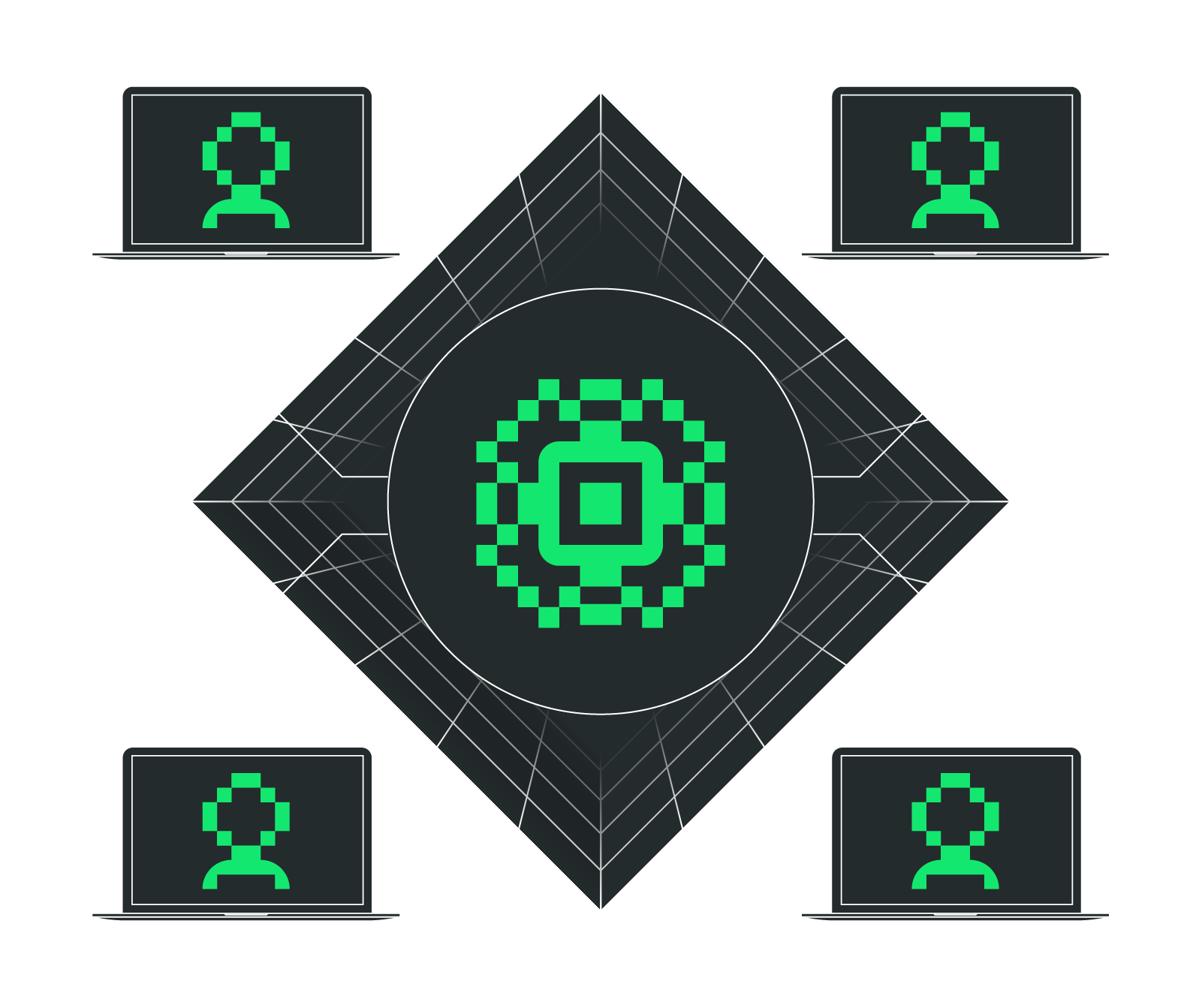
The Five Eyes warning points to AI lowering the cost of offensive cyber work.
The bottom line: AI is lowering the cost of attack faster than the cost of defense.
What happened: Five Eyes officials warned that AI is making sophisticated cyberattacks more accessible.
Why it matters: If the barrier to entry falls, both companies and governments have to redesign defenses.
What to watch: Watch whether national cyber agencies formalize AI-aware defense standards.
OpenAI and Anthropic are slowing model access
OpenAI and Anthropic's model releases are running into government review and political pushback.
The bottom line: Model launches now have to clear security scrutiny, not just product deadlines.
What happened: OpenAI and Anthropic limited access to some new models while security review continued.
Why it matters: Distribution of frontier AI is getting more tightly linked to government oversight.
What to watch: Watch whether the review becomes routine and delays future launches.
Nvidia unveils RTX Spark for PCs
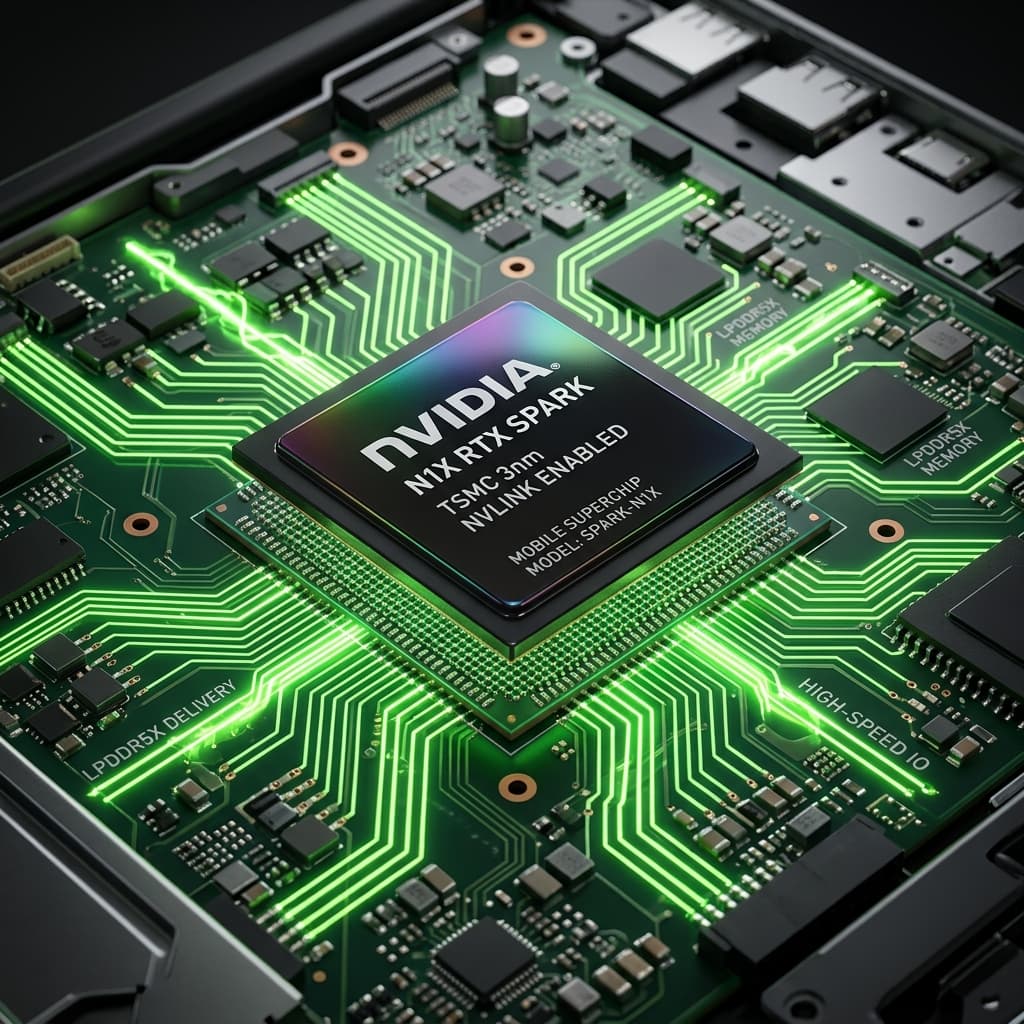
A new small-form-factor AI chip points to more local inference on PCs.
The bottom line: AI is moving from the cloud onto the device.
What happened: Nvidia’s new PC-focused silicon pushes local AI execution further.
Why it matters: More on-device inference changes latency, privacy, and power design.
What to watch: Watch OEM adoption and the actual shipment timeline.
Codex points to faster agentic AI adoption

The study tracks how quickly agentic AI usage is becoming routine in development work.
The bottom line: AI is shifting from a chat interface to a work executor.
What happened: Codex-style usage grew as agentic developer workflows spread.
Why it matters: It changes how teams think about automation, not just code generation.
What to watch: Watch for the same workflow pattern spreading beyond software teams.
AI data centers are hitting a power-design shift
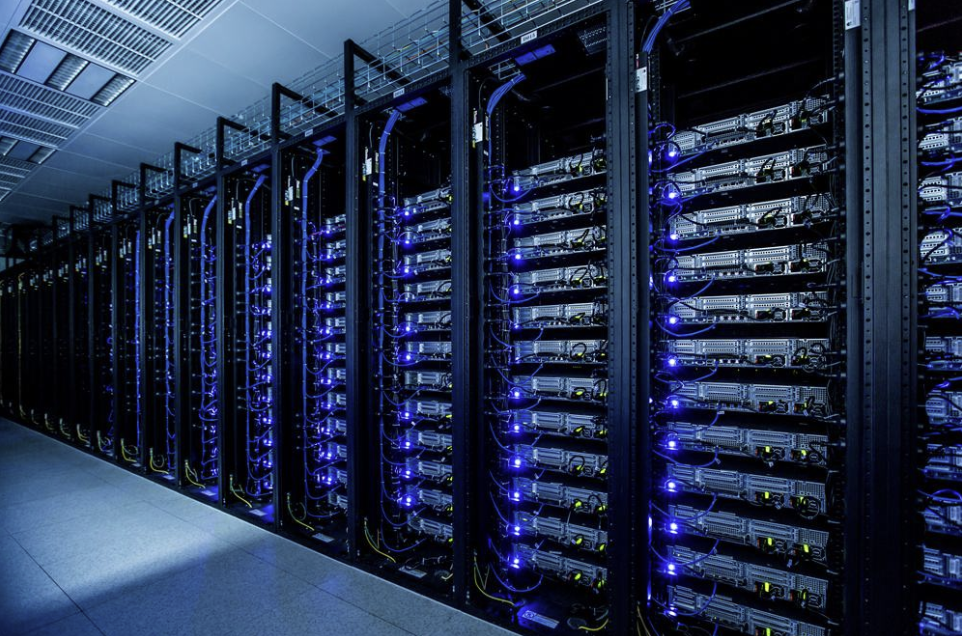
High-density GPU racks are making power delivery itself a performance constraint.
The bottom line: The next AI bottleneck is power and distribution.
What happened: Data-center design is shifting toward new rack-level power conversion and delivery schemes.
Why it matters: Delivery speed now depends as much on power architecture as on GPU performance.
What to watch: Watch whether SSTs and alternatives to 48V move from papers into deployment.
Cross-cutting read
- Executive power widened for independent agencies, but the Fed was treated differently.
- AI has moved from feature competition into an infrastructure race that includes chips, power, and security.
- Investors are using payrolls and inflation prints as a test of whether AI capex can stay hot.
What to watch next
- How lower courts handle the Cook and Slaughter cases will determine how far the rulings reach.
- U.S. payrolls and euro-area inflation will decide whether July rate expectations move higher or lower.
- Whether AI model vetting and cyber warnings become durable policy, or fade after the news cycle.
2026-06-30 司法判断とAI投資が政策・市場・技術を動かす
最高裁は独立機関の長の解任権を広げる一方で、FRBだけは別扱いにした。市場は今週の米雇用統計と欧州インフレを見ながら、AI向け半導体投資と電力制約がどこまで続くかを測っている。技術面では、AIモデルの事前審査、サイバー警告、PC向けAIチップ、データセンターの電力設計が同じ方向を向いた。
政治
独立機関トップの解任権を認める
最高裁がFTCの指導部解任を認め、独立機関の扱いを大きく変えた。
要点: 独立機関の人事にホワイトハウスの裁量が広がった。
何が起きたか: 最高裁はTrump v. Slaughterで、トランプ大統領が独立機関の長を解任できると判断した。
なぜ重要か: FTCやNLRBなどの独立性が揺らぎ、規制判断に政治圧力がかかりやすくなる。
今後の注視点: 他の独立機関や訴訟で、今回の判断がどこまで拡張されるか。
FRB解任は違憲、Cook氏は保護
独立機関の人事権を広げる一方で、FRBだけは別扱いにした判断だ。
要点: FRBの独立性は当面保たれた。
何が起きたか: 最高裁は、トランプ大統領によるLisa Cook氏の解任を認めない形を示した。
なぜ重要か: 金融政策への政治介入を抑える線が残り、債券市場と金利観測に安心材料を与える。
今後の注視点: 下級審での扱いと、FRB以外の独立機関への波及の有無。
期日後到着の郵便投票を有効に
選挙日後に届いた郵便投票でも、州のルール次第で集計できるとした。
要点: 州ごとの選挙実務に幅が残った。
何が起きたか: 最高裁は、期日後に到着した郵便投票の扱いをめぐる州法を支持した。
なぜ重要か: 接戦州の票の扱いと、2026年の選挙訴訟の争点に直結する。
今後の注視点: 他州が同様のルールを維持・変更するか、訴訟が広がるか。
ジオフェンス捜査に憲法上の歯止め
位置情報を広く集める令状に、第四修正の歯止めを強めた。
要点: 位置データ捜査のハードルが上がった。
何が起きたか: 最高裁は、ジオフェンス令状を無制限に使えるとする解釈を退けた。
なぜ重要か: スマホ位置情報や広域捜査の扱いが、警察実務とプライバシー保護の両方に影響する。
今後の注視点: 連邦・州の捜査当局が、今後の令状運用をどう修正するか。
E・ジーン・キャロル判決は維持
トランプ氏に不利な判断を覆さず、民事責任をめぐる争いを残した。
要点: Trump氏の法的リスクはまだ終わっていない。
何が起きたか: 最高裁は、E・ジーン・キャロル氏の訴訟をめぐる上訴受理を見送った。
なぜ重要か: 名誉毀損や性加害をめぐる民事責任の線引きが、今後の政治訴訟にも影響する。
今後の注視点: 別件の損害賠償判断や、Trump氏側の次の法廷対応。
経済
今週の米雇用統計が金利観測の焦点
市場は米雇用統計を、FRBの次の一手を読む材料として見ている。
要点: 雇用の強弱が、7月以降の金利観測を左右する。
何が起きたか: 週内の米雇用関連指標が、ドル・債券・株の相場材料として前面に出た。
なぜ重要か: 雇用の伸びが鈍ければ利下げ期待が強まり、強ければ高金利長期化の見方が残る。
今後の注視点: 非農業部門雇用者数、失業率、賃金の3点がどうそろうか。
ラガルド氏がECBの利上げを擁護
ラガルド総裁は、インフレ圧力が残る限りECBは警戒を解けないと示した。
要点: ECBはインフレが落ち着くまで慎重姿勢を崩しにくい。
何が起きたか: シントラ会合でラガルド氏が、ユーロ圏の金利判断を正当化した。
なぜ重要か: ユーロ圏の金利と為替の見通しは、今後の物価指標次第でなお揺れる。
今後の注視点: ECB幹部の追加発言と、7月会合に向けたデータの変化。
スペインのインフレが予想超え
スペインの物価が想定より強く、ユーロ圏のディスインフレ期待を少し押し戻した。
要点: ユーロ圏の物価はまだ完全には落ち着いていない。
何が起きたか: スペインの6月インフレは、市場予想より強い数字になった。
なぜ重要か: 大国の物価が下がり切らなければ、ECBの早期緩和観測は弱まる。
今後の注視点: ユーロ圏全体のインフレ速報と、賃金の粘着性。
韓国がAI向け半導体拠点に巨額投資
SamsungとSK Hynixの投資拡大が、AI向け供給網を韓国でさらに厚くする。
要点: AI需要が国家レベルの産業投資を押し上げている。
何が起きたか: 韓国が半導体インフラと生産能力の拡張に大きく踏み込んだ。
なぜ重要か: AI供給網、電力、用地、輸出競争のすべてに波及する。
今後の注視点: 工場の立ち上げ時期と、電力・人材制約の処理。
半導体株の上昇がAI相場をけん引
SK HynixやSamsungなどの銘柄が、AI期待の中心に残った。
要点: AI投資の主役は、まだ半導体と記憶容量の供給網だ。
何が起きたか: 上半期の相場では、AI向け半導体の強さが株価を押し上げた。
なぜ重要か: AI関連の設備投資が、株式市場の物色テーマとして続いている。
今後の注視点: メモリ価格と設備投資計画が、上昇相場を支え続けるか。
技術
Five EyesがAI攻撃の現実化を警告
Five Eyes圏の警告は、AIが攻撃者の作業を低コスト化していることを示している。
要点: AIは防御より先に、攻撃の低コスト化を進めている。
何が起きたか: Five Eyes圏の当局が、AIが高度なサイバー攻撃を身近にすると警告した。
なぜ重要か: 攻撃の敷居が下がれば、企業も政府も前提を変えて防御し直す必要がある。
今後の注視点: 各国のサイバー機関が、AIを前提にした防御基準へ移るか。
OpenAIとAnthropicが新モデルを絞る
OpenAIとAnthropicの新モデル公開が、政府審査や政治的反発と結びついた。
要点: AIモデル公開は、性能競争だけでなく審査対応も必要になった。
何が起きたか: OpenAIとAnthropicが、新モデルの公開や提供を一部制限した。
なぜ重要か: 生成AIの配布と政府監督が、より近い距離で結びつき始めた。
今後の注視点: 審査が恒常化するか、各社のローンチ計画に遅れが出るか。
NvidiaがPC向けRTX Sparkを発表
PC側でもAI処理を回すための新しい小型スーパーシリコンが見えてきた。
要点: AIはクラウドだけでなく、端末側にも広がっていく。
何が起きたか: NvidiaのPC向け新チップ群が、ローカルAI実行を押し出した。
なぜ重要か: 端末内推論が増えれば、レイテンシ、プライバシー、電力の設計が変わる。
今後の注視点: OEM採用と、実際の出荷時期。
Codexで進むエージェントAI
エージェント型AIの利用が、開発現場でどこまで定着しているかを示す。
要点: AIは会話相手から、作業を回す道具に変わりつつある。
何が起きたか: Codex系の使われ方が増え、エージェント型の開発支援が広がった。
なぜ重要か: コード生成だけでなく、実作業の自動化が開発組織の設計を変える。
今後の注視点: 開発以外の業務にも、同じエージェント型ワークフローが広がるか。
AIデータセンターの電力設計が転換点
高密度GPUラックでは、配電方式そのものが性能制約になり始めている。
要点: AIの次のボトルネックは、電力と配電になっている。
何が起きたか: データセンターの設計では、ラック内DC/DCや新しい給電方式が重要になった。
なぜ重要か: GPUの性能だけではなく、電力をどう届けるかが導入速度を決める。
今後の注視点: SSTや48V以外の方式が、実運用でどこまで採用されるか。
横断的な見立て
- 独立機関の人事権は広がったが、FRBの独立性は別枠で守られた。
- AIはモデル機能の競争から、半導体・電力・安全保障を含む基盤競争に移っている。
- 投資家は雇用統計とインフレ指標を、AI設備投資の持続性を測る材料として見ている。
追跡すべき未確定事項
- Cook氏とSlaughter氏をめぐる下級審の対応が、今回の判決の射程をどこまで広げるか。
- 米雇用統計と欧州インフレが、7月の金利見通しをどちらに動かすか。
- AIモデルの審査とサイバー警告が、単発のニュースで終わるか制度化されるか。