Published
-
Come and See and the Destruction of Belarusian Villages: Reading Nazi War Crimes
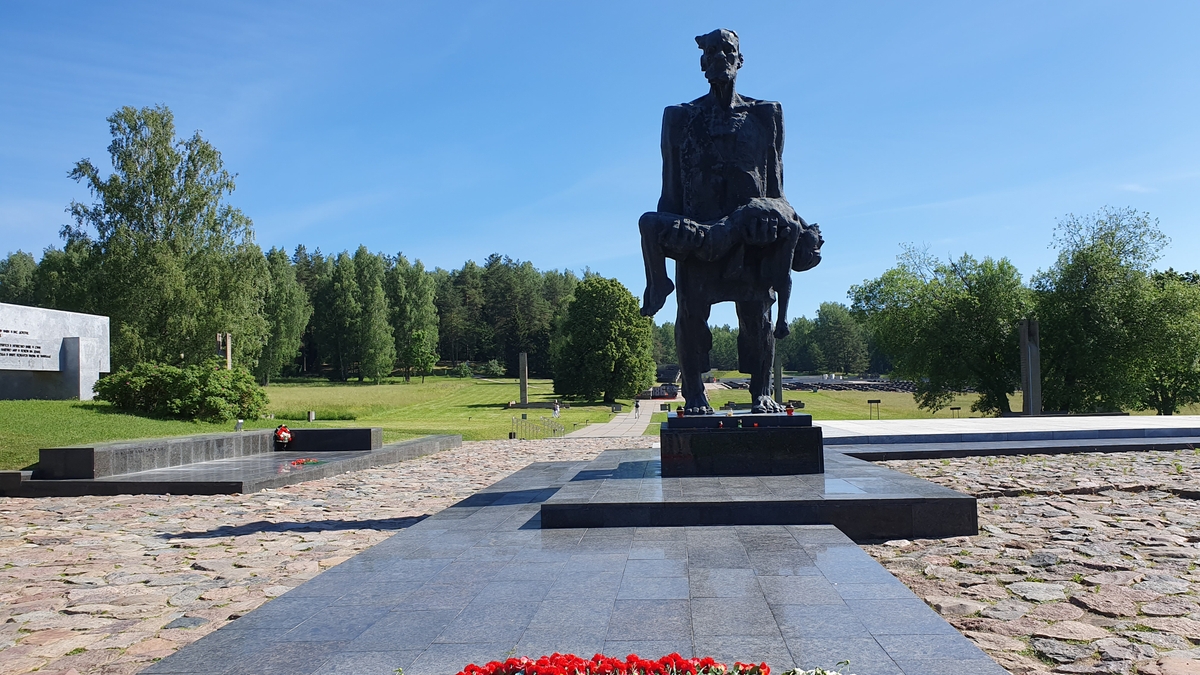
Photo by Aschroet via Wikimedia Commons, CC0
1. Executive Summary
The historical background of Come and See is Belarus under Nazi German occupation between 1941 and 1944. German occupation during the First World War also involved forced labor, requisitions, economic plunder, and harsh military rule, but SS formations and the memory of 628 burned villages belong to the Second World War context. 出典: 1914-1918 Online, Ober Ost describes the German eastern occupation in the First World War through military rule, settlement thinking, and economic exploitation; Forced Labour discusses coercive labor in Russian Poland and Lithuania.
The destruction of Belarusian villages was not a one-off eruption by deranged soldiers. It was a system of violence where anti-partisan warfare, seizure of food and labor, occupation rule, anti-Slavic and antisemitic exterminatory thinking, and government by terror overlapped. The Khatyn Memorial states that 149 people, including 75 children, were killed in the Khatyn massacre on March 22, 1943. 出典: Khatyn State Memorial Complex, The Khatyn Tragedy describes villagers being forced into a barn, the barn being set on fire, and people trying to escape being shot by machine guns.
The number 628 in the film belongs to the Soviet-era memory of Belarusian villages burned with their inhabitants. Current Belarusian official explanations use updated figures from later investigations: earlier accounts spoke of 186 villages that shared Khatyn’s fate, while current memorial text says at least 290 villages did. The number 628 should therefore be read as the symbolic and memorial number used by the film, not as a fixed present-day archival total. 出典: Mark Le Fanu’s Criterion essay explains that the film’s final title card refers to 628 villages, while Khatyn’s current page explains updated investigation totals for damaged settlements and Khatyn-type villages. See Criterion, Come and See: Orphans of the Storm and Khatyn, Burnt villages.
The final sequence brings together rage, revenge, and an ethical refusal to enter the logic of the perpetrators. Flyora firing into Hitler’s portrait is an eruption of rage and revenge, but the refusal to fire at the image of Hitler as a child prevents the film from ending as pure revenge fantasy. Klimov explained that the working title Kill Hitler was not meant literally, but as a moral imperative to kill the Hitler that can lurk within human beings. 出典: Mark Le Fanu discusses the reverse newsreel sequence, the image of Hitler as a toddler, and Klimov’s explanation of Kill Hitler as a universal moral imperative. See Criterion, Come and See: Orphans of the Storm.
       flowchart TD
  A["Nazi occupation"] --> B["Anti-partisan war"]
  B --> C["Village encirclement"]
  C --> D["Civilian killing"]
  D --> E["Memory and film"]
2. Not the First World War, but Nazi-Occupied Belarus
None of this means that Germany’s First World War occupation of the east was harmless. In Ober Ost, the army controlled administration, movement, labor mobilization, requisitions, resource extraction, and settlement projects. Scholarship on forced labor notes that German labor policy in occupied territory during 1914-1918 helped form experiences later relevant to Nazi forced labor.
Come and See, however, belongs to the Nazi war of annihilation against the Soviet Union. SS and police structures, Generalplan Ost, Reichskommissariat Ostland, auxiliary police, anti-partisan actions, village burnings, and mass killing of civilians all belong to the post-June 22, 1941 world of the German invasion of the Soviet Union. The Khatyn Memorial likewise describes the whole of Belarus as occupied by the end of August 1941 and placed under a violent occupation order. 出典: Khatyn, Nazi occupation policy describes the German invasion on June 22, 1941, the occupation of Belarus by late August, Reichskommissariat Ostland, and the violent occupation regime.
That distinction matters. First World War occupation violence involved coercive rule and extraction, but the village burning in Come and See reflects the Eastern Front of the Second World War: an occupied landscape imagined as future colonial space, where suspected resistance could be answered by the death of an entire village.
3. How the Village Destructions Worked
The Khatyn massacre shows the structure in miniature. On March 22, 1943, a German officer was killed in a partisan attack on a nearby road. Khatyn’s villagers did not know about that attack, but the village was surrounded and residents were driven into a barn. The doors were closed, straw and fuel were used to set the barn on fire, and those who tried to escape were shot.
The crucial point is not whether the villagers were combatants. The crime lies precisely in the deliberate targeting of noncombatants: women, children, older people, and the sick. Per Anders Rudling argues that by late 1942 it had become standard practice for Germans and local collaborators to surround and burn villages suspected of supporting partisans. 出典: Per Anders Rudling, The Khatyn Massacre in Belorussia: A Historical Controversy Revisited, describes the standardization of village encirclement and burning, and the deliberate targeting of women and children.
The logic of massacre was terror rule, not military necessity. German authorities fused “partisan,” “communist,” “Jew,” and “collaborator” into a wide category of enemy. Burning a village removed food, shelter, mutual aid, local memory, and the possibility of return. This was not combat. It was political violence against a society.
| Stage of violence | Function |
|---|---|
| Reconnaissance or denunciation | Classify a village as partisan-supporting |
| Encirclement | Prevent escape and testimony |
| Herding into a building | Make killing more efficient |
| Fire and gunfire | Reduce the chance of survival |
| Plunder and burning | Destroy life infrastructure and return |
4. Perpetrators: SS, Police, Auxiliary Units, and Local Collaborators
In Come and See the perpetrators appear as a single face of evil. That works cinematically, but historically the perpetrator structure was composite. At Khatyn, Schutzmannschaft Battalion 118, an auxiliary police unit under German command, played the central role, while SS-Sonderbataillon Dirlewanger was involved. Rudling describes Battalion 118 as a formation of about 500 men, including former Soviet POWs and Ukrainian nationalist-linked personnel, with German and local command structures operating in parallel. 出典: Rudling details the composition of Schutzmannschaft Battalion 118, its parallel command structure, its early 1943 transfer to Belarus, and the destruction of Khatyn as part of Operation Wandsbeck. See The Khatyn Massacre in Belorussia.
The Dirlewanger unit is the formation most closely associated with the idea of an SS unit built around criminals. It is notorious as a Waffen-SS anti-partisan formation that incorporated criminals, prisoners, and disciplinary cases, and it became infamous for mass killing, looting, sexual violence, and burning operations in Belarus and Poland. So the idea of a criminal SS unit is broadly right for Dirlewanger. But if all village destruction is reduced to that one unit, the wider structure of army, SS, police, occupation administration, auxiliary police, and local collaboration disappears from view.
This distinction does not dilute responsibility. It expands it. If responsibility is isolated in a handful of sadists, we miss how administration, police orders, food policy, labor policy, anti-communist propaganda, and ordinary obedience made massacre possible. The horror of Come and See is that the perpetrators look monstrous and organized at the same time: murder proceeds through orders, ritual, laughter, alcohol, music, and photographs.
5. How Come and See Was Made
Come and See is a 1985 Soviet film directed by Elem Klimov and cowritten by Klimov and Ales Adamovich. BFI lists it as a 1985 film from the USSR, Byelorussian SSR, and Russian SFSR, directed by Klimov, written by Adamovich and Klimov, starring Alexei Kravchenko and Olga Mironova, and running 142 minutes. 出典: BFI, Come and See (1985) provides the basic film information and its Sight and Sound poll ranking.
Behind the script were Adamovich’s novel Khatyn and the survivor-testimony collection Out of the Fire. Adamovich had been a teenage partisan during the war and later turned survivor voices into documentary literature. Valzhyna Mort’s Criterion essay explains that Adamovich helped gather 300 testimonies from survivors of fire villages and that this testimony literature became a major source for Come and See. 出典: Criterion, Read and See: Ales Adamovich and Literature out of Fire explains Adamovich’s testimony literature and the relationship among Khatyn, Out of the Fire, and the film.
The production was delayed for years. Criterion’s film page says Soviet censors took seven years to approve the script. Klimov originally considered the blunt working title Kill Hitler, while the final title Come and See comes from the Book of Revelation. 出典: Criterion, Come and See describes the seven-year censorship delay, Klimov’s subjective camera work, and the film’s expressionistic sound design.
The film’s realism is not only fidelity to historical facts. Chronological shooting, Kravchenko’s physical exhaustion, extreme close-ups, Steadicam movement, tinnitus-like sound design, and the merging of dream and reality put viewers in the position of witnesses. Reports of live ammunition are widespread in secondary accounts and actor-interview lore, including claims that bullets passed about ten centimeters above Kravchenko’s head. This point should not be celebrated uncritically as proof of artistic greatness. It also raises questions about production ethics and safety standards. 出典: Claims about live ammunition are widely circulated through actor interviews and DVD-related secondary accounts. For one secondary summary, see GW2, 9 must-know facts about Come and See. The article treats this separately from better-documented production facts.
6. Who Was Elem Klimov?
Elem Klimov was a Soviet film director born in Stalingrad in 1933. The Guardian obituary notes that he made only five features and that Come and See was his last. It also describes his later role as first secretary of the Soviet Filmmakers’ Union in 1986 and his frustration with the Soviet system. 出典: The Guardian, Elem Klimov obituary summarizes Klimov’s career, conflicts with censorship, role in the Filmmakers’ Union, and unrealized projects.
His understanding of war was not abstract. As a child, Klimov was evacuated from Stalingrad with his mother and younger brother and saw the Volga in flames. He later said that if he had included everything he knew, even he could not have watched the result. Come and See therefore joins Belarusian survivor testimony to Klimov’s own childhood memory of war. 出典: The Guardian obituary describes Klimov’s evacuation from Stalingrad, his memory of the burning city and river, and his statement that the whole truth would have been unbearable even for him.
The death of his wife Larisa Shepitko also matters. Shepitko, the director of The Ascent, died in a car accident in 1979. Klimov completed her unfinished project, Farewell. Come and See, made after that loss, feels less like a conventional historical film than like a testament shaped by grief, witness, rage, and the limits of ethics.
7. Film Interpretation: Not Just Evil, but Ethical Collapse
The force of Come and See does not lie only in showing perpetrators as people of bottomless malice. Nor is it enough to say that war turns people into monsters. The film shows how laughter, play, orders, group psychology, photographs, music, alcohol, clothing, and desire can be absorbed into a ritual of killing when ethics collapse.
The village-burning sequence is unbearable because death is staged almost like entertainment. The perpetrators do not merely kill. They convert fear into amusement. That is a deeper violence than killing alone, because it strips victims not only of life but of dignity, testimony, and a meaningful world.
At the same time, the film does not let viewers consume violence as spectacle. Klimov’s camera does not only show fire and bodies. It shows Flyora’s face. The viewer is not left in a safe position outside the event. The transformation of the boy’s face becomes a record of the destruction of villages.
       flowchart LR
  A["Historical evidence"] --> B["Testimony literature"]
  B --> C["Film form"]
  C --> D["Viewer as witness"]
8. Reading the Final Scene
At the end, Flyora repeatedly fires at Hitler’s portrait lying in the mud. Newsreel images run backward through war, speeches, marches, political ascent, Hitler’s youth, and finally Hitler as a child. Flyora stops firing at the infant image.
That pause can be read as Flyora’s dignity in refusing to enter the same logic as the perpetrators. More precisely, the film does not deny revenge, but it refuses to cross into the fantasy of killing innocence. Guilt is not existence itself. Guilt is formed through ideology, choice, institution, action, command, complicity, and silence. The inability to shoot the child shows that Flyora has not entirely lost ethical judgment.
The sequence is also not a simple claim that history would have been saved if one person had been killed. Following Klimov’s own explanation, the problem is not only one monster named Hitler, but the Hitler-potential inside human beings. Rage is necessary, but if rage becomes indiscriminate killing, Flyora moves closer to the logic of the perpetrators. The stopped shot is therefore an ethical restraint more difficult than revenge.
The scene suggests that innocent children are not guilty, and that guilt should be directed at actions, ideology, institutions, and complicity rather than bare existence. One caution is that massacre cannot be explained only as “madness produced by the age.” The age created conditions, but organizations and individuals still acted. People ordered, obeyed, laughed, looted, set fires, and shot. If everything dissolves into the age, responsibility becomes too thin. The film asks us to see both historical madness and individual complicity.
9. Conclusion
Come and See is best understood in three layers. The first is the historical destruction of Belarusian villages under Nazi occupation: civilian killing, village burning, forced labor, plunder, and terror rule under the name of anti-partisan warfare.
The second is Khatyn and the memory of 628. Khatyn is one village, but it became a memorial symbol for many villages erased with their inhabitants. The numbers vary by period and research scope, but the core is the repetition of a form of violence: the burning away of an entire village world.
The third layer is the film itself. Come and See does not merely explain war crimes. It makes the viewer witness them. When Flyora stops firing at the image of Hitler as a child, he does not abandon rage. He keeps rage from becoming indiscriminate killing. He refuses to shoot innocence, judges actions rather than existence, and stops the perpetrator logic beginning to form within himself.
References
- Khatyn State Memorial Complex, Khatyn
- Per Anders Rudling, The Khatyn Massacre in Belorussia: A Historical Controversy Revisited
- Criterion, Come and See
- Criterion, Come and See: Orphans of the Storm
- Criterion, Read and See: Ales Adamovich and Literature out of Fire
- BFI, Come and See (1985)
- The Guardian, Elem Klimov
- 1914-1918 Online, Ober Ost
- 1914-1918 Online, Forced Labour
1. エグゼクティブサマリー
『炎628』の歴史的背景は、1941年から1944年にナチ・ドイツが占領したベラルーシにある。第一次世界大戦期のドイツ東部占領にも強制労働、徴発、経済収奪、厳格な軍政はあったが、SSや「628の村」が関わる焼き尽くしの記憶は第二次世界大戦の文脈に属する。 出典: 1914-1918 Online, Ober Ost は第一次世界大戦期のドイツ東部占領を軍政、植民構想、経済収奪として整理し、Forced Labour はロシア領ポーランドやリトアニアでの強制労働を論じている。
ベラルーシの村落破壊は、単発の「狂った兵士の残虐行為」ではない。対パルチザン作戦、食料・労働力の奪取、占領地支配、反スラヴ・反ユダヤの絶滅政策、住民を恐怖で統治する方針が重なった体系的暴力だった。Khatyn記念施設は、1943年3月22日のKhatyn虐殺で住民149人、うち75人の子どもが殺されたと説明している。 出典: Khatyn State Memorial Complex, The Khatyn Tragedy は、住民が納屋に閉じ込められ、火を放たれ、逃げた人々が機関銃で撃たれた経過を説明している。
映画の「628」は、ソ連期の記憶政治の中で定着した「住民ごと焼かれたベラルーシの村」の数を指す。現在のベラルーシ側公式説明では調査の進展により数値が更新されており、以前は186村、現在は少なくとも290村がKhatynと同じ運命をたどったとされる。したがって、628は映画が依拠した当時の記憶と象徴の数字であり、今日の調査値とは分けて扱うのがよい。 出典: CriterionのMark Le Fanu論考は、映画終盤の字幕が「628 villages」と語ることを説明し、Khatyn記念施設は2025年の説明で、調査前は9,200集落被害、現在は少なくとも12,868集落被害、Khatyn型の村は少なくとも290村と説明している。Criterion, Come and See: Orphans of the Storm、Khatyn, Burnt villages を参照。
ラストシーンは、怒りと復讐、そして加害の論理へ踏み込まない倫理的停止を同時に描く。少年フリョーラがヒトラーの肖像へ銃弾を撃ち込むのは怒りと復讐の噴出だが、幼児のヒトラー像で撃つのを止めることで、映画は「殺意の反復」だけでは終わらない。Klimov自身は、原題案だった「Kill Hitler」を文字通りではなく「自分たちの中に潜むヒトラーを殺せ」という道徳的命令として説明していた。 出典: Mark Le Fanuは、ラストの逆再生ニュースリールと幼児ヒトラー像を論じ、Klimovが「Kill Hitler」を普遍的な道徳命令として説明していたことを紹介している。Criterion, Come and See: Orphans of the Storm を参照。
       flowchart TD
  A["ナチ占領"] --> B["対パルチザン戦"]
  B --> C["村落包囲"]
  C --> D["住民殺害"]
  D --> E["記憶と映画"]
2. 第一次世界大戦ではなく、第二次世界大戦のベラルーシ
第一次世界大戦下のドイツ東部占領を無害化してよいわけではない。Ober Ostでは、軍が行政を握り、移動統制、労働動員、徴発、資源収奪、植民構想が進められた。強制労働研究は、第一次大戦期のドイツ占領地労働政策が、第二次大戦期のナチ強制労働制度の先行経験になった面を指摘している。
しかし『炎628』の主題は、第一次大戦の占領暴力ではなく、独ソ戦下の絶滅戦争である。SS、Generalplan Ost、Reichskommissariat Ostland、補助警察、対パルチザン「討伐」、村落の焼却、住民の集団殺害は、1941年6月22日のドイツによるソ連侵攻以後の構造で理解しなければならない。Khatyn記念施設も、1941年8月末までにベラルーシ全域が占領され、暴力と恐怖に基づく「新秩序」が敷かれたと説明している。 出典: Khatyn, Nazi occupation policy は、1941年6月22日のドイツ侵攻、8月末までのベラルーシ占領、Reichskommissariat Ostlandなどの行政区分、暴力的な占領体制を説明している。
この違いは重要である。第一次大戦のドイツ軍政にも住民を苦しめた制度的暴力があるが、『炎628』の集落焼却は、占領地を将来の植民空間と見なし、抵抗の疑いを村全体の死で処理し、住民を人間ではなく「支配の障害」として扱う第二次大戦東部戦線の暴力である。
3. 村落破壊はどう行われたのか
Khatyn虐殺は、その構造を縮図のように示す。1943年3月22日、近くの道路でドイツ将校がパルチザン攻撃により死亡した。Khatynの住民はその攻撃を知らなかったが、村は包囲され、住民は納屋に追い込まれた。扉は閉ざされ、藁と燃料で火が放たれ、外へ逃げようとした人々は機関銃で撃たれた。
ここで重要なのは、村人が戦闘員だったかどうかではない。むしろ、非戦闘員である女性、子ども、高齢者、病人が意図的に巻き込まれた点に、対パルチザン作戦の犯罪性がある。Per Anders Rudlingは、1942年末にはドイツ軍と現地協力者が、パルチザン支援を疑われた村を包囲し焼却することが標準的実務になっていたと整理している。 出典: Per Anders Rudling, The Khatyn Massacre in Belorussia: A Historical Controversy Revisited は、1942年末以降、パルチザン支援を疑われた村の包囲・焼却が標準化し、女性や子どもも標的化されたと整理している。
虐殺の論理は、軍事的必要性ではなく、支配のための恐怖だった。ドイツ側は「パルチザン」「共産主義者」「ユダヤ人」「協力者」を広く一体化し、疑いのある空間そのものを消す発想を取った。村を焼けば、食料供給、避難場所、住民の相互扶助、地域の記憶も消える。これは戦闘行為ではなく、社会を壊す政治的暴力である。
| 加害の段階 | 実際の意味 |
|---|---|
| 偵察・告発 | 村を「パルチザン支援」と分類する |
| 包囲 | 逃亡と証言の可能性を奪う |
| 建物への集合 | 殺害効率を上げる |
| 放火・銃撃 | 火災と銃撃で生存者を減らす |
| 略奪・焼却 | 生活基盤と帰還可能性を消す |
4. 加害主体: SSだけではなく、SS、警察、補助部隊、現地協力者
『炎628』を見ると、加害者は一体の悪として見える。それは映画表現として正しい。しかし史実としては、加害主体は複合的だった。KhatynではSchutzmannschaft Battalion 118、すなわちドイツ指揮下の補助警察部隊が中心的役割を持ち、SS-Sonderbataillon Dirlewangerが関与した。Rudlingは、同部隊が約500人規模で、元ソ連捕虜やウクライナ民族主義系の人員を含み、ドイツ人指揮官と現地将校の二重構造を持っていたと説明している。 出典: Rudlingは、Schutzmannschaft Battalion 118の構成、ドイツ人指揮官と現地将校の並行指揮、1943年初頭のベラルーシ派遣、Khatyn破壊がWandsbeck作戦の一部だったことを整理している。The Khatyn Massacre in Belorussia を参照。
Dirlewanger部隊は、映画の記憶と結びつく特に悪名高い存在である。もともと犯罪者、受刑者、規律違反者を取り込んだSS系の対パルチザン部隊として知られ、ベラルーシやポーランドで大量殺害、略奪、性暴力、焼却作戦に関与した。ここで「犯罪者で構成されたSS」という理解は、Dirlewangerについては大筋で当たっている。ただし、Khatyn型の村落破壊全体を「犯罪者SSだけがやった」と狭く見ると、ドイツ軍、SS・警察、占領行政、補助警察、現地協力者が連動した構造を見落とす。
この区別は、責任を薄めるためではない。むしろ逆である。残虐な個人や異常な部隊だけに責任を閉じ込めると、普通の行政、警察、軍命令、食料徴発、労働力政策、反共宣伝がどのように虐殺を可能にしたかが見えなくなる。『炎628』の恐ろしさは、加害者が怪物に見える瞬間と、同時にそれが組織、命令、儀式、笑い、酒、音楽、写真撮影を伴う「業務」として進む瞬間を、同じ画面に置くところにある。
5. 『炎628』の制作過程
『炎628』は、Elem KlimovがAles Adamovichと共同で脚本を書いた1985年のソ連映画である。BFIは、1985年、ソ連・白ロシアSSR・ロシアSFSRの作品として、監督Klimov、脚本AdamovichとKlimov、出演Alexei Kravchenko、Olga Mironova、上映時間142分と整理している。 出典: BFI, Come and See (1985) は作品基本情報とSight and Sound投票での評価を掲載している。
脚本の背後には、Adamovichの小説『Khatyn』と、火の村の生存証言を集めた『Out of the Fire』がある。Adamovichは戦時中に十代でパルチザン経験を持ち、戦後には生存者の声を文学化した。CriterionのValzhyna Mort論考は、Adamovichが300人の生存証言を集めたこと、その声が『炎628』の重要な源泉になったことを説明している。 出典: Criterion, Read and See: Ales Adamovich and Literature out of Fire は、Adamovichの証言文学、Khatyn、Out of the Fireと映画の関係を説明している。
制作は長く妨げられた。Criterionの作品解説は、ソ連当局が脚本承認に7年を要し、制作がほとんど阻まれたと説明している。Klimovは当初、より直截な題名「Kill Hitler」を考えていたが、最終題名は黙示録に由来する『Come and See』になった。 出典: Criterion, Come and See は、検閲により脚本承認まで7年を要したこと、Klimovの主観的カメラと表現主義的音響設計を説明している。
映画のリアリティは、単に史実に忠実という意味ではない。時系列順の撮影、少年俳優Kravchenkoの身体的消耗、極端なクローズアップ、Steadicam、耳鳴りのような音響、夢と現実が混ざる画面が、観客を「説明を聞く位置」ではなく「目撃してしまう位置」に置く。実弾使用については、二次資料や俳優インタビューに基づいて広く語られており、銃弾が頭上10センチほどを通ったという証言も流通している。ただし、この点は作品の倫理的評価と切り離せないため、映画の偉大さとして無批判に称揚するより、当時の安全感覚と制作倫理の危うさとしても読むべきである。 出典: 実弾使用説は、俳優インタビューやDVD資料に基づく二次的整理として広く流通している。例として GW2, 9 must-know facts about Come and See は実弾使用を紹介しているが、本文では一次制作資料で確認できる事実と区別して扱った。
6. 監督Elem Klimovはどういう人か
Klimovは1933年、Stalingrad生まれのソ連映画監督である。The Guardianの追悼記事は、彼が5本の長編しか作れず、その最後の作品が『Come and See』だったこと、1986年にはソ連映画人同盟の第一書記になったが、理想と制度の間で挫折したことを記している。 出典: The Guardian, Elem Klimov obituary は、Klimovの経歴、検閲との衝突、映画人同盟での役割、未完企画を整理している。
彼の戦争感覚は抽象的な反戦思想ではない。Klimovは少年時代にStalingradから避難し、燃えるVolga川を目撃した経験を持っていた。彼は後に、知っているすべてを映画に入れたら自分でも見られなかっただろう、と語っている。『炎628』の地獄の質感は、ベラルーシの証言資料だけでなく、Klimov自身の幼少期の戦争記憶とも結びついている。 出典: The Guardian追悼記事は、Klimovが母と幼い弟とともにStalingradからVolga川を渡って避難した経験、燃える都市と川の記憶、映画にすべてを入れたら自分でも見られなかったという発言を紹介している。
また、妻Larisa Shepitkoの死も無視できない。Shepitkoは『The Ascent』で知られる監督で、1979年に事故死した。Klimovは彼女の未完企画を引き継ぎ、『Farewell』を完成させた。この喪失の後に作られた『炎628』は、単なる歴史映画というより、喪失、証言、怒り、倫理の限界を背負った遺言的作品になった。
7. 映画の考察: 悪意よりも、倫理の崩壊を見る
『炎628』の強烈さは、加害者を「底なしの悪意を持つ怪物」として見せるだけではない。むしろ、戦争が人間を怪物に変える、という説明だけでも足りない。映画が見せるのは、倫理が停止した環境では、笑い、遊び、命令、集団心理、写真、音楽、服装、酒、欲望が、殺害の儀式へ自然に組み込まれていく光景である。
この映画の村落焼却場面が耐えがたいのは、死が「戦闘の結果」ではなく「催し物」のように演出されるからである。加害者は任務を遂行するだけでなく、住民の恐怖を娯楽に変える。これは単に殺すことよりも深い暴力で、犠牲者から生命だけでなく、尊厳、証言、世界の意味を奪う。
一方で、映画は暴力をスペクタクルとして消費させない。Klimovのカメラは、死体や炎を見せるだけでなく、フリョーラの顔を見せる。観客は、事件を外側から評価する安全な位置にいられない。少年の顔が変わっていくこと自体が、村落破壊の記録になる。
       flowchart LR
  A["歴史資料"] --> B["証言文学"]
  B --> C["映画表現"]
  C --> D["観客の目撃"]
8. ラストシーンの解釈
ラストでフリョーラは、泥の中に置かれたヒトラーの肖像へ何度も発砲する。映像は逆再生され、戦争、演説、行進、政治的上昇、若き日のヒトラーへ遡り、最後に幼児のヒトラー像へ至る。ここで少年は撃つのを止める。
この停止は、フリョーラが加害者と同じ論理へ入らないための矜持として読める。さらに正確に言えば、映画は、復讐の感情を否定しないまま、無垢の幼児を殺す想像へは進まない。罪は存在そのものではなく、思想、選択、制度、行為、命令、加担、沈黙として歴史の中で形成される。幼児を撃てないことは、フリョーラがまだ倫理を完全には失っていないことを示す。
同時に、この場面は単純な「ヒトラー一人を殺せば歴史は救われた」という話でもない。Klimovの説明に従えば、問題は一人の怪物ではなく、人間の中に潜むヒトラー性である。怒りは必要だが、怒りが無差別な殺意に変わった瞬間、フリョーラは加害者の論理へ近づいてしまう。だから銃撃の停止は、復讐よりも難しい倫理的踏みとどまりである。
この場面は、無垢の子どもには罪はなく、罪は存在そのものではなく行為、思想、制度、加担へ向けて問われるべきだという倫理を示す。ただし、虐殺を「時代が生んだ狂気」だけで説明することには注意が要る。時代は条件を作ったが、行為したのは組織と個人であり、命令し、従い、笑い、略奪し、火をつけ、撃った人間たちである。時代に溶かすと責任が薄まる。映画は、時代の狂気と個人の加担を同時に見ろ、と迫っている。
9. 結論
『炎628』を理解するには、三つの層を分けるとよい。第一に、史実としてのベラルーシ村落破壊である。これは第二次世界大戦のナチ占領下で、対パルチザン作戦の名のもとに行われた住民殺害、村落焼却、強制労働、略奪、恐怖支配の体系である。
第二に、記憶としてのKhatynと「628」である。Khatynは一つの村であると同時に、住民ごと消された多数の村を代表する記憶の装置になった。数字は時期や調査範囲によって変わるが、映画が示す核心は、村全体を火で消す暴力が反復されたという事実である。
第三に、映画としての『炎628』である。この作品は、戦争犯罪を説明する映画ではなく、観客に目撃させる映画である。ラストで少年が銃を止める瞬間は、怒りを捨てることではない。怒りを持ったまま、無垢を撃たないこと、存在ではなく行為を裁くこと、そして自分の中に生まれかけた加害の論理を止めることである。
参考情報
- Khatyn State Memorial Complex, Khatyn
- Per Anders Rudling, The Khatyn Massacre in Belorussia: A Historical Controversy Revisited
- Criterion, Come and See
- Criterion, Come and See: Orphans of the Storm
- Criterion, Read and See: Ales Adamovich and Literature out of Fire
- BFI, Come and See (1985)
- The Guardian, Elem Klimov
- 1914-1918 Online, Ober Ost
- 1914-1918 Online, Forced Labour