Published
-
A Map of British Culture
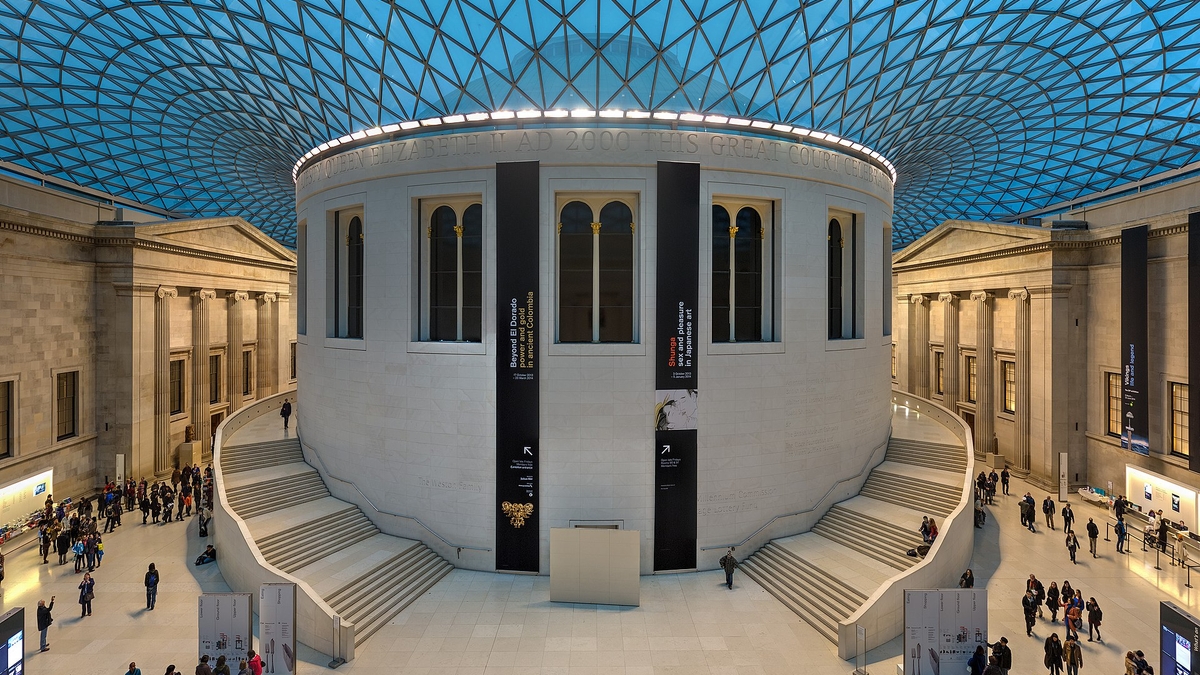
Photo by Diliff / Wikimedia Commons / CC BY-SA 3.0
1. Executive Summary
British culture is not a single “Britishness”. It is a layered culture made from England, Scotland, Wales, Northern Ireland, migrant communities, class, region, media, memories of empire, and urban and rural life. It is not enough to list the monarchy, Parliament, tea, pubs, football, the BBC, the British Museum, literature, and rock music. The distinctive feature is that old institutions and modern diversity coexist.
       flowchart TD
  A["Regional identity"] --> E["British culture"]
  B["Class and education"] --> E
  C["Language and religion"] --> E
  D["Media and industry"] --> E
  F["Memory of empire"] --> E
Language is the best entry point. English is a world language and the base of much British cultural export. But Welsh in Wales, Gaelic and Scots in Scotland, and Irish and Ulster Scots in Northern Ireland are not just dialects or tourist symbols. They are tied to identity, education, public signage, broadcasting, and political consciousness. In Census 2021, 17.8% of people aged three and over in Wales, around 538,000 people, said they could speak Welsh. Scotland’s Census 2022 reported that 2.5% of people aged three and over had some Gaelic skills and 46.2% had some Scots skills. 出典: ONS, Welsh language, Wales: Census 2021, Scotland’s Census 2022, Ethnic group, national identity, language and religion.
Multicultural change is the other entry point. In England and Wales, Census 2021 recorded the high-level White category at 81.7%, down from 86.0% in 2011, while Asian, Asian British or Asian Welsh stood at 9.3%. In London, the share identifying as “White: English, Welsh, Scottish, Northern Irish or British” had fallen to 36.8%. British culture can no longer be explained as white, English-speaking, and Anglican. 出典: ONS, Ethnic group, England and Wales: Census 2021 documents ethnic composition and London’s diversity.
2. Language and Regional Culture
English is Britain’s largest cultural export. Literature, film, music, universities, finance, diplomacy, scientific publishing, sports broadcasting, and much internet culture travel through English. But Britain’s internal culture is not made from one English. Received Pronunciation, Cockney, Estuary English, Scouse, Geordie, Brummie, Yorkshire, Scottish English, Welsh English, and Northern Irish English all carry social meaning.
Accent signals not only where someone is from, but also class, education, occupation, and media identity. In Britain, how something is said can matter almost as much as what is said. That is a legacy of class society, but also a source of regional pride.
In Wales, Welsh is central to public culture. It is present in schools, road signs, administration, broadcasting, music, sport, and literature. The Census 2021 figure of 17.8% shows a decline in the share of speakers, but it also shows why language policy remains a central cultural issue. 出典: Welsh Government, Welsh language in Wales (Census 2021) also reports 538,300 people and 17.8%, and explains the decline since 2011.
In Scotland, Gaelic is numerically small but symbolically important for the Highlands and Islands, broadcasting, music, education, place names, and cultural revival. Scots has a wider everyday and literary reach, tied to Burns, song, spoken culture, and regional identity. Scotland’s Census reported Gaelic skills rising from 1.7% in 2011 to 2.5% in 2022, and Scots skills from 37.7% to 46.2%. 出典: Scotland’s Census news release on religion, ethnic group, language and national identity reports increases in Gaelic and Scots skills.
3. Class, Education, and Everyday Codes
Class is unavoidable in British culture. It is not only income. It appears in accent, school, university, profession, neighbourhood, clothing, humour, holidays, newspapers, sport, food, and housing. Traditional labels such as aristocracy, upper middle class, professional class, and working class are simplified, but private schools, Oxbridge, London finance and law, post-industrial towns, public housing, and suburbs still carry cultural meaning.
Everyday culture is built around queues, understatement, self-deprecating humour, privacy, small talk, pubs, Sunday roast, tea, football, gardens, charity shops, and the local high street. These are not just tourist signs. They reflect how public space, neighbourliness, class difference, and regional variation work.
British humour often depends on irony, indirectness, tolerance of failure, and mocking authority. Political satire, sitcoms, panel shows, stand-up comedy, and newspaper cartoons have made authority something to be laughed at as much as obeyed.
4. Religion and Secularisation
British culture carries deep Christian institutions, but society has secularised rapidly. England has the Church of England, with traces in monarchy, coronations, Parliament, schools, local churches, and the festival calendar. But Census 2021 in England and Wales recorded Christian identification at 46.2% and No religion at 37.2%. 出典: ONS, Religion, England and Wales: Census 2021 shows Christian identification falling below half and No religion rising.
Scotland shows the same shift. Scotland’s Census 2022 reported No religion at 51.1% and Church of Scotland at 20.4%. This does not mean religious culture has disappeared. It means religious traces in weddings, funerals, schools, charity, local community, architecture, music, and festivals coexist with personal secularisation. 出典: Scotland’s Census 2022 covers religion, language, ethnicity, and national identity.
Britain is also increasingly multi-religious. Islam, Hinduism, Sikhism, Judaism, Buddhism, Caribbean and African churches, Eastern European Catholicism, and non-religion shape food, festivals, schools, local politics, music, and fashion. Church calendars, Ramadan, Diwali, Vaisakhi, Notting Hill Carnival, and Pride coexist in the same urban space.
5. Media, Public Broadcasting, and Literature
Public broadcasting is central to British culture. The BBC, ITV, Channel 4, Channel 5, BBC radio, local radio, newspapers, magazines, podcasts, and YouTube all make national and regional culture. The BBC has long provided a common cultural platform through news, education, drama, sport, children’s programming, radio, and the World Service.
But media culture is changing. Ofcom’s Media Nations 2025 reported that in 2024 weekly reach for broadcast TV declined across all age groups, with 73.8% of people watching broadcast TV on TV sets each week. The figure was 94% among those aged 65 and over, but 45% among 16-24s. The shared cultural space is dispersing from national broadcast television toward YouTube, streaming, social media, and podcasts. 出典: Ofcom, Media Nations 2025 and the report PDF show the decline in broadcast TV reach and the age divide.
British literature connects the canon and modern multicultural experience: Shakespeare, Austen, Dickens, the Brontës, Woolf, Orwell, Tolkien, Lessing, Rushdie, Zadie Smith, Kazuo Ishiguro, Bernardine Evaristo, and Ali Smith. Literature is not only polite culture. It is where class, empire, city life, gender, migration, colonial experience, and region are contested.
6. Museums, Heritage, and the Memory of Empire
British culture is visible through museums and heritage. The British Museum, National Gallery, Tate, Victoria and Albert Museum, Natural History Museum, Science Museum, British Library, National Museums Scotland, Amgueddfa Cymru, and Ulster Museum are nodes of education, tourism, urban economy, and national memory.
According to DCMS, DCMS-sponsored museums and galleries received around 10.5 million visits from January to March 2026. Visits were 9.3% higher than the same period in 2025, but 8.5% lower than the comparable pre-pandemic period in 2019. Cultural institutions are recovering, but not uniformly back to pre-pandemic levels. 出典: GOV.UK, Museums and galleries monthly visits reports visits for January to March 2026 and year-on-year and 2019 comparisons.
Museum culture is also inseparable from empire. Collections from ancient Egypt, Greece, Benin, India, China, the Middle East, Africa, and the Pacific are presented as universal knowledge, but they also raise questions about colonial rule, acquisition, restitution, conservation responsibility, and international research partnerships. A celebratory view of British culture misses this tension.
7. Sport, Music, and Food
Sport is one of Britain’s strongest everyday languages. Football, rugby, cricket, tennis, golf, horse racing, darts, snooker, and boxing connect class, region, empire, schools, pubs, and television. Football combines working-class culture, city identity, global capital, migrant players, and broadcast rights. Cricket and rugby carry stronger memories of empire, public schools, and the Commonwealth. Wimbledon turns tradition into international ritual.
Music runs from the Beatles, Rolling Stones, Led Zeppelin, Pink Floyd, punk, new wave, Britpop, grime, UK garage, drum and bass, jungle, electronic music, folk revival, Celtic music, and South Asian British music. The strength of British music is that local class and city cultures can become global. Liverpool, Manchester, London, Bristol, Birmingham, Glasgow, Belfast, and Cardiff all carry distinct sounds.
Food culture is often underrated. Fish and chips, Sunday roast, pies, full English breakfast, pub food, and afternoon tea sit alongside curry, Caribbean food, Chinese takeaway, kebab shops, Polish groceries, vegan food, craft beer, and speciality coffee. The fact that chicken tikka masala can be described as British food shows the mixture of migration, empire, urban life, home cooking, and the restaurant economy.
8. Creative Industries and Soft Power
British culture is also an economy. DCMS Creative Industries Economic Estimates 2025 cover GVA, business counts, and employment, while the House of Commons Library summarised the creative industries as contributing around £124 billion in GVA in 2023, about 5% of total UK output. 出典: GOV.UK, Creative Industries Economic Estimates 2025, House of Commons Library, Creative Industries.
The creative industries include film, TV, music, games, design, architecture, advertising, fashion, publishing, software, museums, and performing arts. The key point is that culture is not only tradition. It is tied to exports, jobs, urban regeneration, tourism, international relations, education, and the AI-era content economy.
The sector also faces regional concentration, freelance insecurity, London dominance, pressure on arts education, post-Brexit constraints on touring and labour mobility, and uncertainty over public broadcasting finance. Soft power is a real asset, but it is not self-maintaining.
9. How to Read British Culture
British culture is best described as a culture that everyday-ises old institutions while constantly renewing itself through migration, media, and regional identity. Royal ritual, Oxford and Cambridge, public schools, parliamentary language, pubs, football, the BBC, Shakespeare, and the British Museum form older layers. London’s multiculturalism, Welsh and Gaelic revival, grime, streaming, diaspora food, Pride, decolonisation debates, and local music scenes form newer layers.
British culture is therefore not a choice between tradition and multiculturalism. Because tradition is strong, participation, rejection, reinterpretation, and satire become cultural acts. Because diversity is growing, English, public broadcasting, sport, museums, schools, and local festivals are repeatedly tested as shared spaces. The tension is the culture.
References
- ONS, Ethnic group, England and Wales: Census 2021
- ONS, Religion, England and Wales: Census 2021
- ONS, Welsh language, Wales: Census 2021
- Scotland’s Census 2022, Ethnic group, national identity, language and religion
- Ofcom, Media Nations 2025
- GOV.UK, Museums and galleries monthly visits
- GOV.UK, Creative Industries Economic Estimates 2025
- House of Commons Library, Creative Industries
1. エグゼクティブサマリー
イギリス文化は、単一の「英国らしさ」ではなく、England、Scotland、Wales、Northern Ireland、移民コミュニティ、階級、地域、メディア、帝国の記憶、都市と地方の生活が重なった文化である。王室、議会、紅茶、パブ、サッカー、BBC、British Museum、文学、ロック音楽だけを並べても足りない。むしろ英国文化の特徴は、古い制度と現代的多様性が同時に存在することにある。
       flowchart TD
  A["地域性"] --> E["英国文化"]
  B["階級と教育"] --> E
  C["言語と宗教"] --> E
  D["メディアと産業"] --> E
  F["帝国の記憶"] --> E
英国文化を理解する入口は、言語である。英語は世界語であり、英国の文化輸出の基盤である。一方、WalesのWelsh、ScotlandのGaelicとScots、Northern IrelandのIrishやUlster Scotsは、単なる方言や観光資源ではなく、地域アイデンティティ、教育、公共表示、放送、政治意識に結びつく。2021年Censusでは、Walesの3歳以上の17.8%、約538,000人がWelshを話せると回答した。Scotlandの2022年Censusでは、3歳以上の2.5%がGaelic技能を持ち、46.2%がScots技能を持つとされた。 出典: ONS, Welsh language, Wales: Census 2021, Scotland’s Census 2022, Ethnic group, national identity, language and religion に基づく。
もう一つの入口は、多文化化である。England and Walesの2021年Censusでは、White高位分類は81.7%で2011年の86.0%から低下し、Asian, Asian British or Asian Welshは9.3%になった。Londonでは「White: English, Welsh, Scottish, Northern Irish or British」が36.8%まで下がっており、英国文化はもはや白人・英語・国教会だけでは説明できない。 出典: ONS, Ethnic group, England and Wales: Census 2021 は、民族集団構成とLondonの多様性を示す。
2. 言語と地域文化
英語は英国文化の最大の輸出品である。文学、映画、音楽、大学、金融、外交、科学出版、スポーツ実況、インターネット文化の多くが英語によって世界へ届く。しかし、英国の内部文化は英語だけではできていない。むしろ、英語の中にもReceived Pronunciation、Cockney、Estuary English、Scouse、Geordie、Brummie、Yorkshire、Scottish English、Welsh English、Northern Irish Englishなど、多数のアクセントと社会的意味がある。
アクセントは、出身地だけでなく、階級、教育、職業、メディア表象と結びつく。英国では「何を言うか」だけでなく「どの声で言うか」が社会的な意味を持つ。これは階級社会の名残であると同時に、地域文化の誇りでもある。
WalesではWelshが公共文化の中核にある。Welshは学校、道路標識、行政、放送、音楽、スポーツ、文学と結びつき、英語だけではないWalesの公共空間を作る。Census 2021の17.8%という数字は、話者の割合が低下したことも示すが、同時に言語政策が文化の中心課題であり続けていることを示す。 出典: Welsh Government, Welsh language in Wales (Census 2021) も、538,300人、17.8%という結果を示し、2011年からの減少を説明している。
Scotlandでは、Gaelicは話者数では小さいが、Highlands and Islands、放送、音楽、教育、地名、文化復興の象徴である。Scotsはより広い日常的・文学的な広がりを持ち、Burns、民謡、口語文化、地域アイデンティティと結びつく。Scotland’s Censusは、Gaelic技能が2011年の1.7%から2022年の2.5%へ、Scots技能が37.7%から46.2%へ増えたとする。 出典: Scotland’s Census news release on religion, ethnic group, language and national identity はGaelicとScotsの技能増加を示す。
3. 階級、教育、日常の作法
英国文化を理解するうえで、階級は避けられない。階級は収入だけでなく、アクセント、学校、大学、職業、住む地域、服装、ユーモア、休日、新聞、スポーツ、食事、家の種類に染み込む。aristocracy、upper middle class、professional class、working classといった古典的分類は単純化されているが、私立学校、Oxbridge、London金融・法曹、地方旧工業都市、公共住宅、郊外住宅地の差は今も文化的意味を持つ。
日常文化では、queue、understatement、self-deprecating humour、privacy、small talk、pub、Sunday roast、tea、football、garden、charity shop、local high streetが重要である。これらは観光的な記号であるだけでなく、公共空間の使い方、近隣関係、階級の違い、地域差を反映する。
英国のユーモアは、皮肉、遠回しな表現、失敗への寛容、権威のからかいを特徴とする。政治風刺、sitcom、panel show、stand-up comedy、新聞漫画は、権力を直接打倒するより、権威を笑いの対象にする文化を作ってきた。
4. 宗教と世俗化
英国文化はキリスト教の制度を深く持つが、社会は急速に世俗化している。EnglandにはChurch of Englandがあり、王政、戴冠、議会、学校、地域教会、祝祭暦に制度的痕跡を残す。しかしEngland and Walesの2021年Censusでは、Christianは46.2%に低下し、No religionは37.2%に増えた。 出典: ONS, Religion, England and Wales: Census 2021 は、Christianが半数を下回り、No religionが増えたことを示す。
Scotlandでも世俗化は顕著である。Scotland’s Census 2022では、No religionが51.1%となり、Church of Scotlandは20.4%へ低下した。これは、制度宗教が文化から消えたという意味ではない。むしろ、結婚式、葬儀、学校、慈善、地域コミュニティ、建築、音楽、祝祭に残る宗教文化と、個人の信仰離れが同時に進んでいるということである。 出典: Scotland’s Census 2022 は、宗教、言語、民族、国民アイデンティティをまとめて示す。
多宗教化も進んでいる。イスラム教、ヒンドゥー教、シク教、ユダヤ教、仏教、カリブ系・アフリカ系教会、東欧カトリック、無宗教層が、都市の食文化、祝祭、学校、地域政治、音楽、ファッションに影響している。英国文化は、教会暦とRamadan、Diwali、Vaisakhi、Notting Hill Carnival、Prideが同じ都市空間に並ぶ文化になっている。
5. メディア、公共放送、文学
英国文化の中心には公共放送がある。BBC、ITV、Channel 4、Channel 5、BBC radio、local radio、新聞、雑誌、podcast、YouTubeが、全国文化と地域文化を同時に作る。BBCは中立性、公共性、教育、ニュース、ドラマ、スポーツ、子ども番組、World Serviceを通じて、英国文化の共有基盤を担ってきた。
ただし、メディア文化は変化している。OfcomのMedia Nations 2025は、2024年にbroadcast TVの週次リーチが全年齢で低下し、TVセットでbroadcast TVを毎週見る人は73.8%だったとする。65歳以上では94%だが、16-24歳では45%である。つまり、英国文化の共有空間は、BBC的な全国放送から、YouTube、streaming、social media、podcastへ分散している。 出典: Ofcom, Media Nations 2025 と同報告PDFは、broadcast TVリーチ低下と年齢差を示す。
文学では、Shakespeare、Austen、Dickens、Brontë、Woolf、Orwell、Tolkien、Lessing、Rushdie、Zadie Smith、Kazuo Ishiguro、Bernardine Evaristo、Ali Smithなどが、英語文学の古典と現代的多文化性をつないでいる。文学は上品な教養だけでなく、階級、帝国、都市、ジェンダー、移民、植民地経験、地方性をめぐる議論の場である。
6. 博物館、遺産、帝国の記憶
英国文化は、博物館と遺産産業を通じて可視化される。British Museum、National Gallery、Tate、Victoria and Albert Museum、Natural History Museum、Science Museum、British Library、National Museums Scotland、Amgueddfa Cymru、Ulster Museumなどは、教育、観光、都市経済、国民記憶の結節点である。
DCMSによれば、2026年1-3月にDCMS sponsored museums and galleriesへの訪問は約10.5百万件で、2025年同期比では9.3%増だったが、2019年同期比では8.5%低かった。文化施設は回復しているが、パンデミック前の水準には完全に戻っていない。 出典: GOV.UK, Museums and galleries monthly visits は、2026年1-3月の訪問数と前年比・2019年比を示す。
一方、英国の博物館文化は帝国の記憶と切り離せない。古代エジプト、ギリシア、ベニン、インド、中国、中東、アフリカ、太平洋地域の収蔵品は、普遍的知識の展示であると同時に、植民地支配、収奪、返還要求、保存責任、国際共同研究の論点でもある。英国文化を称賛だけで読むと、この緊張を見落とす。
7. スポーツ、音楽、食
スポーツは英国文化の最も強い日常言語である。football、rugby、cricket、tennis、golf、horse racing、darts、snooker、boxingは、階級、地域、帝国、学校、パブ、テレビを結びつける。Footballは労働者階級文化、都市アイデンティティ、グローバル資本、移民選手、テレビ放映権を同時に含む。Cricketとrugbyは帝国・public school・Commonwealthの記憶を強く持つ。Wimbledonは伝統と国際イベントを結ぶ儀礼である。
音楽では、Beatles、Rolling Stones、Led Zeppelin、Pink Floyd、Punk、New Wave、Britpop、grime、UK garage、drum and bass、jungle、electronic、folk revival、Celtic music、South Asian British musicがある。英国音楽の強さは、ローカルな階級・都市文化が世界市場へ出る点にある。Liverpool、Manchester、London、Bristol、Birmingham、Glasgow、Belfast、Cardiffはそれぞれ異なる音を持つ。
食文化は、しばしば過小評価される。fish and chips、Sunday roast、pie、full English breakfast、pub food、afternoon teaだけでなく、curry、Caribbean food、Chinese takeaway、kebab、Polish shops、vegan food、craft beer、specialty coffeeが日常化している。Chicken tikka masalaが「英国料理」として語られること自体が、移民、帝国、都市生活、家庭料理、外食産業の混合を示す。
8. 創造産業とソフトパワー
英国文化は経済でもある。DCMSのCreative Industries Economic Estimates 2025は、GVA、企業数、雇用を扱う公式統計であり、House of Commons Libraryはcreative industriesが2023年に約1240億ポンド、英国経済の約5%を生んだと整理している。 出典: GOV.UK, Creative Industries Economic Estimates 2025, House of Commons Library, Creative Industries
創造産業には、film、TV、music、games、design、architecture、advertising、fashion、publishing、software、museums、performing artsが含まれる。ここで重要なのは、文化が単なる伝統保存ではなく、輸出、雇用、都市再生、観光、国際関係、教育、AI時代のコンテンツ産業とつながっている点である。
ただし、創造産業には地域偏在、フリーランスの不安定性、ロンドン集中、芸術教育の縮小、EU離脱後のツアー・労働移動の制約、公共放送財源の不確実性がある。文化は強いソフトパワーであるが、自動的に維持される資産ではない。
9. 文化をどう見るか
英国文化を一言でまとめるなら、「古い制度を日常化しながら、移民とメディアと地域性で更新し続ける文化」である。王室儀礼、OxfordとCambridge、public school、parliamentary language、pub、football、BBC、Shakespeare、British Museumは古い層を作る。一方、Londonの多文化性、WelshとGaelicの復興、grime、streaming、diaspora food、Pride、decolonisation論争、地方音楽シーンは新しい層を作る。
したがって、英国文化は「伝統的」か「多文化的」かの二択ではない。伝統が強いからこそ、そこへの参加、拒否、再解釈、風刺が文化になる。多様化が進むからこそ、英語、公共放送、スポーツ、博物館、学校、地域祭りが共有の場として問われ続ける。英国文化の面白さは、この緊張そのものにある。
参考情報
- ONS, Ethnic group, England and Wales: Census 2021
- ONS, Religion, England and Wales: Census 2021
- ONS, Welsh language, Wales: Census 2021
- Scotland’s Census 2022, Ethnic group, national identity, language and religion
- Ofcom, Media Nations 2025
- GOV.UK, Museums and galleries monthly visits
- GOV.UK, Creative Industries Economic Estimates 2025
- House of Commons Library, Creative Industries