Published
-
The Current State of UK Politics in 2026
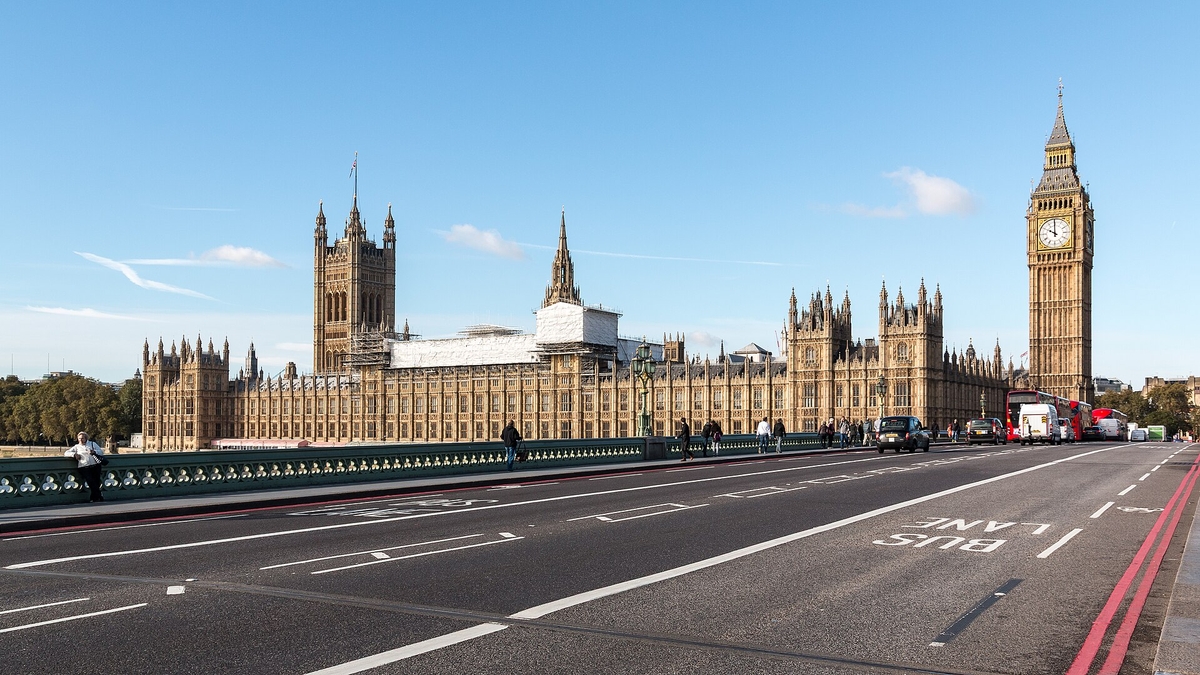
Photo by Dietmar Rabich / Wikimedia Commons / CC BY-SA 4.0
1. Executive Summary
As of June 17, 2026, UK politics is best read as a system where Labour has a large House of Commons majority but faces weak public tolerance, fiscal constraints, service backlogs, local fragmentation, and a House of Lords it does not control. Labour holds 402 of 650 Commons seats and forms the majority government, with a working majority of 166. The Conservatives have 116 seats, the Liberal Democrats 72, Reform UK 8, and the SNP and Sinn Féin 7 each. 出典: Based on UK Parliament, State of the parties - House of Commons and His Majesty’s Government: The Cabinet. Party affiliation can change through by-elections, whip changes, and defections, so these are the official-page figures checked on June 17, 2026.
The central domestic issues are living costs and interest rates, fiscal space, work and inactivity, migration, the NHS, housing, and the post-Brexit growth model. CPI inflation was 2.8% in April 2026, Bank Rate was 3.75%, unemployment was 5.0% in January to March 2026, and economic inactivity was 20.9%. Inflation is no longer at its peak, but it has not eased enough to make households, mortgages, rents, or public services feel easy. 出典: ONS, Consumer price inflation, UK: April 2026, Bank of England, Interest rates and Bank Rate, ONS, Labour market overview, UK: May 2026. At the June 17, 2026 check, the latest ONS CPI bulletin body remained the April 2026 release.
The Commons numbers make the government look stable. The post-May 2026 local and devolved election issue, however, is the mismatch between national seat strength and local governing capacity. The Institute for Government argued after the elections that the fracturing of British politics is not a temporary aberration and has immediate practical consequences for local government. YouGov’s post-local-election survey found that 43% of voters said they backed the party that best reflected their values, 29% cited the best policies for local issues, and the top specific issues were the economy and cost of living at 27% and immigration at 26%. 出典: Institute for Government, The significance of the 2026 elections for UK government, YouGov, Local elections 2026
       flowchart TD
  A["Large Commons majority"] --> D["Delivery burden"]
  B["Narrow fiscal room"] --> D
  C["Public-service pressure"] --> D
  D --> E["Government rating"]
2. Party Distribution
In the Commons, Labour’s majority is large. But the UK should not be read simply as a one-party Labour system. The Conservatives are much smaller than before, while the Liberal Democrats, Reform UK, Greens, regional parties, and independents matter more than a two-party headline suggests. Reform UK’s seat count is small, but its pressure on immigration, tax, net zero, and anti-establishment politics is a major constraint on Conservative recovery.
| Party or group | Commons seats |
|---|---|
| Labour | 402 |
| Conservative | 116 |
| Liberal Democrat | 72 |
| Independent | 12 |
| Reform UK | 8 |
| Scottish National Party | 7 |
| Sinn Féin | 7 |
| Democratic Unionist Party | 5 |
| Green Party | 5 |
| Plaid Cymru | 4 |
| Social Democratic & Labour Party | 2 |
| Your Party | 2 |
| Others, Speaker, and vacant seats | 8 |
The Lords has a different distribution. There are 773 eligible members, including Conservative 245, Labour 216, Crossbench 156, Liberal Democrat 74, Non-affiliated 45, and Bishops 22. That means Labour can pass legislation through the Commons but must still manage scrutiny, amendments, delay, and political bargaining in the Lords. 出典: UK Parliament, Lords membership - by peerage
At local level, Reform UK and Green gains are not only anti-government signals; they are now governing constraints. The Institute for Government argues that Reform UK gains in West Yorkshire, the North East, and the West Midlands could make it harder for Labour mayors to pass budgets, housing plans, transport plans, and investment strategies. Birmingham City Council illustrates the fragmentation: Reform UK 23 seats, Greens 19, Labour 17, Conservatives 16, Liberal Democrats 12, and 14 independent or smaller-party councillors. 出典: Institute for Government, Reform UK’s local election gains pose new challenges for Labour mayors
3. Ranked Issues
1. Living costs, interest rates, and energy
Living costs are the top issue. CPI inflation fell to 2.8% in April 2026, but Bank Rate remained at 3.75%, with the next decision due on June 18, 2026. The inflation rate looks calmer than during the peak, but cumulative pressure from mortgages, rents, food, transport, and utilities still shapes political judgement. 出典: ONS, Consumer price inflation, UK: April 2026, Bank of England, April 2026 Monetary Policy Summary
2. Fiscal space and growth
The main constraint on the Labour government is not a shortage of policy ideas; it is fiscal space. The OBR’s March 2026 Economic and fiscal outlook describes a challenging fiscal context, with public debt much higher than two decades earlier and borrowing around 5% of GDP over the previous four years. Tax rises, spending restraint, and higher growth all carry political costs, so the government has to improve public services while preserving fiscal credibility. 出典: OBR, Economic and fiscal outlook - March 2026
3. Migration, asylum, and border management
Migration has entered a lower statistical phase but remains a political issue. ONS provisional estimates put long-term net migration at 171,000 for the year ending December 2025, almost half the updated 331,000 figure for the previous year. The main driver was a 47% fall in non-EU+ work-related arrivals. 出典: ONS, Long-term international migration, provisional: year ending December 2025
Voters are not only reacting to net migration. They are also reacting to irregular arrival, asylum processing, settlement rules, and skills policy. The Home Office’s 2025 white paper linked the immigration, skills, and visa systems to growing the domestic workforce and reducing reliance on overseas labour. In the year ending March 2026, there were 43,806 detected arrivals via illegal routes, with small boats accounting for 90% of those arrivals. On June 15, 2026, the Home Office’s small-boats dashboard recorded 710 arrivals in 11 boats. 出典: Home Office, Restoring control over the immigration system, GOV.UK, How many people come to the UK via illegal entry routes?, Home Office and Border Force, Small boat arrivals: last 7 days
Even when the headline number falls, housing, wages, public services, asylum processing, Channel crossings, and integration remain joined together in politics. Labour has to show control and administrative competence. Conservatives and Reform UK compete for stricter restriction. Liberal Democrats and Greens usually put more weight on humanitarian standards, local integration, and public-service capacity.
4. The NHS and social care
The NHS is the most tangible domestic public-service issue. In April 2026, the consultant-led elective-care waiting list stood at 7.22 million cases, representing about 6.11 million individual patients, with about 2.53 million waiting over 18 weeks. Health waiting lists are not just an administrative metric; they affect work participation, local satisfaction, and trust in government. 出典: GOV.UK, Referral to treatment waiting times statistics for consultant-led elective care for April 2026, BMA, NHS backlog data analysis
The 2025 Spending Review made this a measurable political promise. It provided a £29 billion real-terms increase in annual NHS England day-to-day spending from 2023-24 to 2028-29 and set an end-of-Parliament target for 92% of patients to start non-urgent consultant-led treatment within 18 weeks of referral. 出典: HM Treasury, Spending Review 2025
5. Housing, infrastructure, and regional inequality
Housing connects living costs, young people’s asset formation, migration, urban productivity, and local politics. Even flat house prices do not feel affordable when rates and rents remain high. ONS April 2026 figures put average UK monthly private rents up 3.5% to £1,381 in the 12 months to March 2026, while average UK house prices rose 1.2% to £268,000 in the 12 months to February 2026. The government has pledged 1.5 million homes over the Parliament and announced a planning overhaul in December 2024. 出典: ONS, Private rent and house prices, UK: April 2026, GOV.UK, Planning overhaul to reach 1.5 million new homes
Increasing housing supply requires planning reform, local-government capacity, construction labour, environmental rules, and transport investment to move together. It is not solvable through one popular short-term measure. Local political fragmentation after the 2026 elections also matters because housing plans and transport investments need local agreement.
6. Defence, security, and industrial policy
The war in Ukraine, the Russian threat, drones, autonomous systems, and NATO burden-sharing pull British politics beyond a purely domestic cost-of-living frame. In remarks on June 5, 2026, the prime minister said the government would publish a Defence Investment Plan before the NATO summit, linking future capability, autonomous technology, regional jobs, and defence-industrial capacity. In a narrow fiscal environment, defence spending competes with the NHS and housing for political and budgetary room. 出典: GOV.UK, PM remarks: 5 June 2026
7. The Union and the post-Brexit position
Scotland, Northern Ireland, Wales, and English regions do not move as one political unit. The SNP has only 7 Commons seats, but Scottish autonomy and independence politics have not disappeared. In Northern Ireland, the DUP, Sinn Féin, Alliance, SDLP, UUP, and TUV connect UK party politics with the politics of the island of Ireland. Post-Brexit EU relations remain a long-term issue across trade, regulation, migration, Northern Ireland, diplomacy, and security.
4. Domestic Problem Structure
The UK’s domestic problem is best understood as the layering of low growth, high demand for public services, housing constraints, regional inequality, and institutional fatigue. In the labour market, employment was 75.0%, unemployment 5.0%, inactivity 20.9%, and vacancies 705,000 in the latest ONS release. Nominal wages were still growing, but real pay improvement was small. 出典: ONS, Labour market overview, UK: May 2026
The government will therefore be judged less on whether it can pass bills and more on whether it can change the felt experience of waiting lists, rents, real income, local transport, and border management. A Commons majority is necessary; it is not sufficient. Post-election local fragmentation also increases friction when national pledges have to become planning decisions, permits, transport schemes, housing delivery, and social-care services.
5. Outlook
Four questions dominate the outlook. First, how much will Bank Rate and inflation continue to pressure mortgages, rents, and consumption? Second, can NHS waiting lists and public-service performance visibly improve? Third, will Reform UK consolidate right-wing voters before the Conservatives rebuild? Fourth, can the government maintain governing coalitions around housing, transport, skills, defence industry, and regional investment in a more fragmented party system?
The current state of UK politics is not Labour comfort. It is Labour responsibility. The party distribution shows Labour advantage; the domestic issue distribution shows the breadth of problems it cannot avoid.
References
- UK Parliament, State of the parties - House of Commons
- UK Parliament, Lords membership - by peerage
- UK Parliament, His Majesty’s Government: The Cabinet
- ONS, Consumer price inflation, UK: April 2026
- Bank of England, Interest rates and Bank Rate
- OBR, Economic and fiscal outlook - March 2026
- ONS, Labour market overview, UK: May 2026
- ONS, Long-term international migration, provisional: year ending December 2025
- GOV.UK, Referral to treatment waiting times statistics for consultant-led elective care for April 2026
- BMA, NHS backlog data analysis
- Institute for Government, The significance of the 2026 elections for UK government
- Institute for Government, Reform UK’s local election gains pose new challenges for Labour mayors
- YouGov, Local elections 2026
- Home Office, Restoring control over the immigration system
- GOV.UK, Immigration system statistics, year ending March 2026
- Home Office and Border Force, Small boat arrivals: last 7 days
- HM Treasury, Spending Review 2025
- ONS, Private rent and house prices, UK: April 2026
- GOV.UK, PM remarks: 5 June 2026
1. エグゼクティブサマリー
2026年6月17日時点のイギリス政治は、「下院では労働党が大多数を持つが、世論・地方・上院・経済制約では脆い」という構図で読むのがよい。下院650議席のうち、Labourは402議席で多数政府を形成し、作業多数は166である。一方、Conservativeは116議席まで縮み、Liberal Democratが72議席、Reform UKが8議席、SNPとSinn Féinが各7議席という分布になっている。 出典: UK Parliament, State of the parties - House of Commons と His Majesty’s Government: The Cabinet に基づく。政党所属は離党・補選・院内会派変更で動くため、2026年6月17日時点の公式ページ確認値として扱う。
国内問題の中心は、生活費と金利、財政余地、雇用・不活発、移民、NHS、住宅、脱EU後の成長モデルである。2026年4月のCPIは前年同月比2.8%、Bank Rateは3.75%、2026年1-3月の失業率は5.0%、経済的不活発率は20.9%だった。つまり、インフレはピークを過ぎたが、家計・住宅ローン・公共サービスを同時に楽にするほどには緩んでいない。 出典: ONS, Consumer price inflation, UK: April 2026, Bank of England, Interest rates and Bank Rate, ONS, Labour market overview, UK: May 2026。2026年6月17日の確認時点でONSの最新CPI本文は2026年4月分だった。
下院議席だけを見ると政権は安定している。しかし、2026年5月の地方・分権選挙後の論点は、国政議席と地方統治のズレである。Institute for Governmentは、2026年選挙を受けて英国政治の断片化は一時的現象ではなく、地方政府の実務にも直ちに影響すると分析した。YouGovの地方選後調査では、投票理由として「価値観に最も合う政党」が43%、地域課題に対する最良政策が29%、争点別では経済・生活費27%、移民26%が上位だった。 出典: Institute for Government, The significance of the 2026 elections for UK government, YouGov, Local elections 2026
       flowchart TD
  A["大きな下院多数"] --> D["実行責任"]
  B["財政余地の狭さ"] --> D
  C["公共サービス圧力"] --> D
  D --> E["政権評価"]
2. 政党分布
下院では、Labourの多数はかなり大きい。だが、英国政治を「Labour一強」とだけ読むと誤る。2024年総選挙後の保守党後退は大きく、二大政党制の外側でLiberal Democrat、Reform UK、Green、地域政党、無所属が存在感を持つ。とくにReform UKは議席数だけでは小さいが、移民、税、ネットゼロ、反エスタブリッシュメントをめぐる保守票の流出先として、保守党再建の制約条件になっている。
| 会派・政党 | 下院議席 |
|---|---|
| Labour | 402 |
| Conservative | 116 |
| Liberal Democrat | 72 |
| Independent | 12 |
| Reform UK | 8 |
| Scottish National Party | 7 |
| Sinn Féin | 7 |
| Democratic Unionist Party | 5 |
| Green Party | 5 |
| Plaid Cymru | 4 |
| Social Democratic & Labour Party | 2 |
| Your Party | 2 |
| その他・Speaker・Vacant | 8 |
上院は別の権力分布を持つ。House of Lordsの有資格メンバーは773人で、Conservative 245、Labour 216、Crossbench 156、Liberal Democrat 74、Non-affiliated 45、Bishops 22などである。これは、下院でLabourが大多数を持っていても、上院では政府法案が修正・遅延されやすいことを意味する。上院は最終拒否権を持つ機関ではないが、法案の技術的精査、政治的圧力、修正協議の場として効く。 出典: UK Parliament, Lords membership - by peerage は、Conservative 245、Labour 216、Crossbench 156、Liberal Democrat 74、合計773を示している。
地方政治では、Reform UKとGreenの伸長が「反政府票」だけでなく統治課題になっている。Institute for Governmentは、West Yorkshire、North East、West MidlandsなどでReform UKの地方議席増がLabour系メトロ市長の予算、住宅、交通、投資計画の合意形成を難しくすると指摘した。West MidlandsではBirmingham City Councilの構成がReform UK 23、Green 19、Labour 17、Conservative 16、Liberal Democrat 12、その他14という断片化を示している。 出典: Institute for Government, Reform UK’s local election gains pose new challenges for Labour mayors は、地方選結果がmayoral strategic authorityの合意形成に与える影響を具体例で整理している。
3. 主要論点ランキング
1. 生活費、金利、エネルギー
最上位の論点は生活費である。CPIは2026年4月に2.8%まで下がったが、Bank of Englandの政策金利は3.75%で、次回決定は2026年6月18日に予定されている。インフレ率だけを見ると落ち着いたように見えるが、住宅ローン、家賃、食品、交通、光熱費の累積負担は家計の政治感覚を強く縛る。 出典: ONS, Consumer price inflation, UK: April 2026, Bank of England, April 2026 Monetary Policy Summary
2. 財政余地と成長
労働党政権の最大の制約は、政策アイデアの不足ではなく財政余地の不足である。OBRは2026年3月のEconomic and fiscal outlookで、債務比率が過去20年で大きく上がり、公共部門純借入が過去4年ほどGDP比約5%の高水準にあったと説明している。増税、歳出抑制、成長率引き上げのどれを選んでも政治的痛みがあるため、政権は「公共サービス改善」と「財政信認」を同時に満たす必要がある。 出典: OBR, Economic and fiscal outlook - March 2026 は、2030-31年までの経済・財政見通しと財政持続性リスクを提示している。
3. 移民、亡命、国境管理
移民は、統計上は減少局面に入っても政治争点として残る。ONSの暫定推計では、2025年暦年の長期国際純移民は171,000人で、2024年の331,000人からほぼ半減した。非EU+国籍者の就労関連流入が47%減ったことが大きい。一方、非EU+純移民はなお350,000人、EU+と英国籍者は純流出である。 出典: ONS, Long-term international migration, provisional: year ending December 2025
ただし、有権者の関心は純移民だけではなく、不正規入国、亡命処理、定住資格、技能政策に広がる。Home Officeの2025年白書は、移民制度を技能・ビザ・国内労働力育成と結びつけ、海外労働への依存を下げる方針を示した。さらに2026年3月までの1年間には、検知された不正規入国が43,806件あり、その90%を小舟到着が占めた。2026年6月15日には、Home Officeの小舟データで710人・11隻の到着が記録されている。 出典: Home Office, Restoring control over the immigration system, GOV.UK, How many people come to the UK via illegal entry routes?, Home Office and Border Force, Small boat arrivals: last 7 days
政治的には、数字が下がっても、住宅、賃金、公共サービス、難民認定、海峡越え、地域社会の統合が一体の争点として残る。Labourは管理強化と制度運用の改善を示す必要があり、ConservativeとReform UKはより厳しい抑制策を競う。Liberal DemocratやGreenは人道・地域統合・公共サービス投資を重視しやすい。
4. NHSと社会保障
NHSは、英国国内問題の中で最も体感されやすい公共サービスである。2026年4月のconsultant-led elective care待機リストは7.22百万件、約6.11百万人の患者に相当し、約2.53百万人が18週超待っていた。医療待機は単なる行政指標ではなく、労働参加、地域の生活満足、政府信頼に直結する。 出典: GOV.UK, Referral to treatment waiting times statistics for consultant-led elective care for April 2026, BMA, NHS backlog data analysis
政府は2025年Spending Reviewで、2023-24年から2028-29年までにNHS Englandの日常支出を年額で実質290億ポンド増やし、議会任期末までに非緊急のconsultant-led treatmentで92%が18週以内に開始される目標を掲げた。これは財政投入のニュースであると同時に、政権評価の測定可能な約束でもある。 出典: HM Treasury, Spending Review 2025 は、NHS day-to-day spendingの実質290億ポンド増と18週以内92%目標を明記している。
5. 住宅、インフラ、地域格差
住宅は、生活費、若年層の資産形成、移民受け入れ、都市生産性をつなぐ論点である。価格が横ばいでも、金利と家賃が高ければ体感負担は重い。ONSの2026年4月統計では、平均UK月額民間賃料は2026年3月までの12か月で3.5%増の1,381ポンド、平均UK住宅価格は2026年2月までの12か月で1.2%増の268,000ポンドだった。政府は議会任期中の150万戸建設を掲げ、2024年12月に計画制度改革を発表している。 出典: ONS, Private rent and house prices, UK: April 2026, GOV.UK, Planning overhaul to reach 1.5 million new homes
住宅供給を増やすには、計画制度、地方自治体、建設労働、環境規制、交通投資を同時に動かす必要があり、短期の人気政策だけでは解けない。地方選後に地方議会が断片化したことは、住宅計画や交通投資の合意形成にも影響する。
6. 国防、安全保障、産業政策
ウクライナ戦争、ロシア脅威、ドローン・自律システム、NATO負担の増大は、英国政治を「生活費だけの内政」から引き戻している。2026年6月5日の首相発言では、Strategic Defence Reviewを踏まえたDefence Investment PlanをNATOサミット前に公表し、防衛能力と雇用・産業基盤を結びつける方針が示された。財政余地が狭いなか、防衛支出はNHSや住宅と同じ予算制約の中で競合する。 出典: GOV.UK, PM remarks: 5 June 2026 は、Defence Investment Plan、技術変化、自律能力、ロシア脅威、地域雇用との接続を説明している。
7. 連合王国の結束と脱EU後の位置取り
スコットランド、北アイルランド、ウェールズ、イングランド地方の政治は一枚岩ではない。SNPは下院では7議席に後退したが、スコットランド自治と独立論は消えていない。北アイルランドではDUP、Sinn Féin、Alliance、SDLP、UUP、TUVが並び、英国政治とアイルランド島政治が接続する。脱EU後の対EU関係は、貿易、規制、移民、北アイルランド、外交安保をまたぐ長期課題である。
4. 国内問題の見取り図
英国国内の問題は、単独の失政というより、低成長、高い公共サービス需要、住宅制約、地域格差、制度疲労が重なったものとして見るべきである。労働市場では、2026年1-3月の雇用率が75.0%、失業率が5.0%、経済的不活発率が20.9%、求人は705,000件まで減っている。賃金は名目では伸びているが、実質賃金の改善は小さい。 出典: ONS, Labour market overview, UK: May 2026
このため、政権評価は「法案を通せるか」よりも「待機リスト、家賃、実質所得、地方交通、国境管理の体感を変えられるか」で決まる。下院多数は必要条件であり、十分条件ではない。さらに、地方選後の断片化は、中央政府の公約が地方の計画、許認可、交通、住宅、社会保障サービスへ落ちる段階で摩擦を増やす。
5. 見通し
今後の焦点は四つである。第一に、Bank Rateとインフレが住宅ローン・家賃・消費をどこまで圧迫するか。第二に、NHS待機リストと公共サービス改善が目に見える形で進むか。第三に、Conservativeが再建できる前にReform UKが右派票を固定化するかである。第四に、地方選後に強まった政党断片化の中で、住宅、交通、技能、防衛産業、地域投資の合意形成を政府が維持できるかである。
英国政治の現在地は、労働党政権の安定ではなく、労働党政権に結果責任が集中する局面である。政党分布はLabour優位を示すが、国内問題の分布は「政権が逃げられない課題の広さ」を示している。
参考情報
- UK Parliament, State of the parties - House of Commons
- UK Parliament, Lords membership - by peerage
- UK Parliament, His Majesty’s Government: The Cabinet
- ONS, Consumer price inflation, UK: April 2026
- Bank of England, Interest rates and Bank Rate
- OBR, Economic and fiscal outlook - March 2026
- ONS, Labour market overview, UK: May 2026
- ONS, Long-term international migration, provisional: year ending December 2025
- GOV.UK, Referral to treatment waiting times statistics for consultant-led elective care for April 2026
- BMA, NHS backlog data analysis
- Institute for Government, The significance of the 2026 elections for UK government
- Institute for Government, Reform UK’s local election gains pose new challenges for Labour mayors
- YouGov, Local elections 2026
- Home Office, Restoring control over the immigration system
- GOV.UK, Immigration system statistics, year ending March 2026
- Home Office and Border Force, Small boat arrivals: last 7 days
- HM Treasury, Spending Review 2025
- ONS, Private rent and house prices, UK: April 2026
- GOV.UK, PM remarks: 5 June 2026