Published
-
2026-06-17 Markets Reprice on Iran Truce, U.S. Politics Hardens, AI Bets Grow

Photo by Maxim Hopman on Unsplash
2026-06-17 Markets Reprice on Iran Truce, U.S. Politics Hardens, AI Bets Grow
A softer Middle East backdrop pushed oil and rate expectations around, while U.S. fights over elections, war powers, and education kept the domestic agenda tense. In technology, a large Windows patch cycle, a 6G chip advance, cloud-capacity bargaining, local resistance to datacenters, and China’s AI grid plan all pointed to the same shift: the AI race is moving from model hype to power, security, and permits. Politics is organized from The Guardian’s US politics liveblog and related articles, economy from The Guardian business liveblog plus central-bank and company coverage, and technology from current source-grounded reporting rather than rumor-heavy commentary.
Politics
Five Charged in White House UFC Plot

The Guardian's U.S. politics liveblog covering the DOJ charges tied to the White House UFC plot.
The bottom line: The Justice Department charged five people over a plot tied to a White House UFC event.
What happened: Investigators said the case involved conspiracy and preparatory steps that justified charges.
Why it matters: It renews attention on White House security and the policing of political events.
What to watch: Watch for possible accomplices, the motive, and backlash over the FBI director’s earlier remarks.
Mike Collins Wins Georgia Senate Runoff

A Guardian article on the Georgia Senate race and the Republican runoff result.
The bottom line: Republicans now move into the general election with Mike Collins as their nominee.
What happened: The Republican runoff in Georgia settled the party’s Senate nominee.
Why it matters: Georgia is a swing state that can shape Senate control and the broader midterm fight.
What to watch: Watch the Ossoff response, fundraising, and suburban turnout.
Trump Escalates Voting-Rights Push

A Guardian analysis of the pressure campaign around mail voting and election administration.
The bottom line: The federal government is widening the fight over mail voting and election data.
What happened: The conflict over voting rules advanced on both policy and litigation fronts.
Why it matters: Rules on registration, mail ballots, and investigations could reshape the 2026 election environment.
What to watch: Watch for court blocks, state pushback, and congressional oversight.
Senate Blocks Iran War Powers Resolution

The Guardian liveblog tracked the Senate vote over war powers and Iran.
The bottom line: The Senate rejected a war powers resolution aimed at ending U.S. military involvement with Iran.
What happened: Lawmakers voted after a renewed fight over the White House’s Iran posture.
Why it matters: Weak congressional checks make escalation control around Iran harder.
What to watch: Watch the durability of the truce, any follow-up votes, and internal hawk diplomacy.
Education Department Powers Shift Again
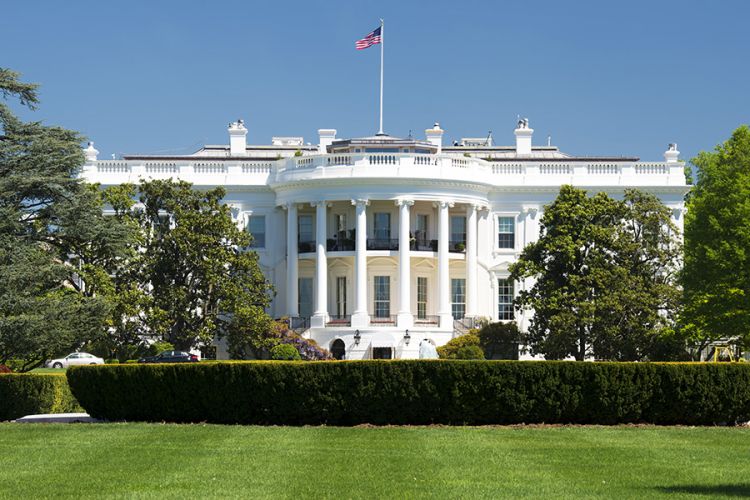
The Guardian liveblog tracked fresh moves to shift functions out of the Education Department.
The bottom line: The administration is continuing to strip functions from the Education Department.
What happened: A plan to move parts of federal education oversight to other agencies moved further ahead.
Why it matters: It affects policy continuity, oversight, and the balance of power with Congress.
What to watch: Watch for congressional pushback, state reactions, and any further transfers of authority.
Economy
Brent Falls Below $80

The Guardian business liveblog tied softer Iran tensions to Brent crude and shipping through Hormuz.
The bottom line: Softer Iran tensions cut shipping risk and pushed Brent below $80.
What happened: Markets started pricing in smoother shipping and less supply fear.
Why it matters: Oil feeds inflation, freight, and household costs, so a fall matters for central banks too.
What to watch: Watch whether the deal is implemented and whether the price drop sticks.
Bank of Japan Raises Rates to 1%

A Guardian report on the Bank of Japan's rate hike amid still-sticky inflation.
The bottom line: The BoJ raised short-term rates to their highest level in 31 years.
What happened: Japan’s monetary policy stayed on the tightening side.
Why it matters: It affects the yen, import prices, and rate expectations across Asia.
What to watch: Watch wage growth, yen moves, and any signal of another hike.
RBA Holds at 4.35%

A Guardian report on the Reserve Bank of Australia's decision to hold rates at 4.35%.
The bottom line: The RBA held at 4.35% but kept the door open to another hike if inflation stays sticky.
What happened: Australia’s central bank chose to pause rather than tighten again immediately.
Why it matters: It shows that lower oil alone is not enough for central banks to pivot quickly.
What to watch: Watch CPI, wages, and the Australian dollar.
Thames Water Moves Toward Nationalization

A Guardian report on Thames Water rescue plans and the risk of special administration.
The bottom line: The UK government is wary of a rescue and is edging closer to public control.
What happened: A roughly £1bn rescue plan became politically difficult and harder to close.
Why it matters: It has direct implications for bills, investment, and utility capital structure.
What to watch: Watch for special administration, tariff changes, and who absorbs the losses.
UK House Prices Cool as Rates Bite

A Guardian article on cooling UK house prices as borrowing costs stay high.
The bottom line: House prices fell month on month for the first time this year as higher borrowing costs cooled demand.
What happened: The housing market slowed as high rates and cautious buyers kept activity down.
Why it matters: It is another sign that higher rates are feeding through to the real economy.
What to watch: Watch rate expectations for later in the year and whether mortgage demand rebounds.
Technology
Microsoft’s Patch Tuesday Breaks Records

A TechRadar security report on Microsoft's unusually large monthly patch set.
The bottom line: Microsoft patched more than 200 vulnerabilities in a record-sized Patch Tuesday cycle.
What happened: The monthly Windows patch set landed at an unusually large scale.
Why it matters: Security operations are getting heavier, not lighter, even in the AI era.
What to watch: Watch for zero-day reuse, enterprise patch speed, and any missed fixes.
IMEC’s 6G Chip Points Beyond Nvidia
A TechRadar piece on IMEC's packaging advance and the telecom angle around Nvidia.
The bottom line: IMEC’s packaging work improves the manufacturability of chips that link AI and 6G.
What happened: Chiplet and 300mm packaging progress made next-gen telecom silicon more practical.
Why it matters: Nvidia’s growth story now stretches beyond GPUs into telecom infrastructure.
What to watch: Watch production timing, partners, and the pace of 6G standardization.
Microsoft Walks Away from Oracle Cloud Capacity
A Business Insider report on the collapse of a large cloud-capacity lease talk over compliance concerns.
The bottom line: Microsoft passed on Oracle cloud capacity, showing that the AI compute race is now tied to compliance.
What happened: A large capacity deal fell apart over security certification and procurement terms.
Why it matters: Compute scarcity is now as much a compliance problem as a hardware problem.
What to watch: Watch for alternative suppliers, FedRAMP progress, and rising procurement costs.
Pennsylvania Pushback on Datacenters

A Guardian report on local resistance to proposed AI datacenters in Pennsylvania.
The bottom line: AI datacenter buildouts are turning into local battles over power, noise, and environmental strain.
What happened: Local officials and residents turned more cautious about bringing in large facilities.
Why it matters: AI investment now depends heavily on state and local permitting.
What to watch: Watch power contracts, zoning approvals, and any local ballot or ordinance fights.
China Plans a National AI Data-Center Grid

A Tom's Hardware report on China's plan for a national AI datacenter network built on domestic chips.
The bottom line: Beijing is treating AI compute as national infrastructure and moving to a domestic-chip supply chain.
What happened: A state-led plan linked compute resources with the power grid across a wider network.
Why it matters: The AI race is shifting from model quality to power, chips, and state-backed infrastructure.
What to watch: Watch domestic-chip targets, power constraints, and how quickly the plan is implemented.
Cross-cutting read
- De-escalation in the Middle East is feeding quickly into oil, rates, and housing.
- U.S. politics is fighting on multiple fronts at once: elections, war powers, and education administration.
- The AI boom is shifting from model competition to power, datacenters, cloud capacity, and security.
What to watch next
- Whether the US-Iran truce translates into sustained shipping normalization and lower oil.
- How far court challenges and congressional pushback spread on voting rights and Education Department changes.
- Whether power, permitting, and financing constraints slow the next wave of AI datacenter buildout.