Published
-
2026-06-17 Markets Reprice on Iran Truce, U.S. Politics Hardens, AI Bets Grow
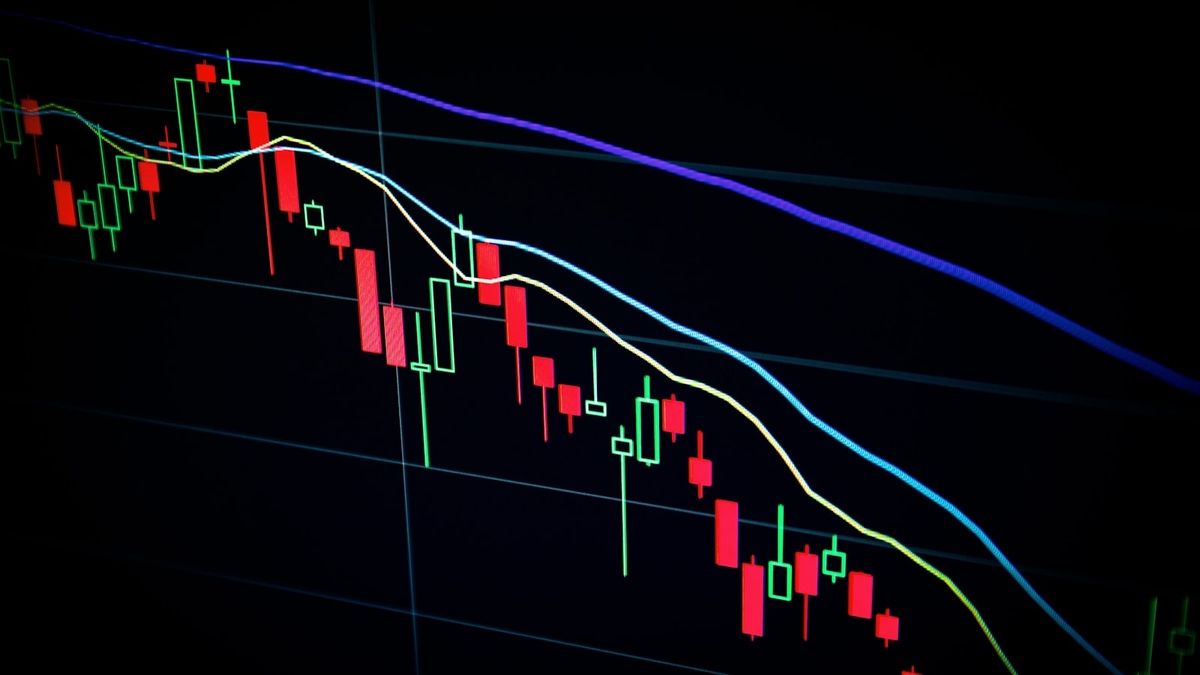
Photo by Maxim Hopman on Unsplash
2026-06-17 Markets Reprice on Iran Truce, U.S. Politics Hardens, AI Bets Grow
A softer Middle East backdrop pushed oil and rate expectations around, while U.S. fights over elections, war powers, and education kept the domestic agenda tense. In technology, a large Windows patch cycle, a 6G chip advance, cloud-capacity bargaining, local resistance to datacenters, and China’s AI grid plan all pointed to the same shift: the AI race is moving from model hype to power, security, and permits. Politics is organized from The Guardian’s US politics liveblog and related articles, economy from The Guardian business liveblog plus central-bank and company coverage, and technology from current source-grounded reporting rather than rumor-heavy commentary.
Politics
Five Charged in White House UFC Plot

The Guardian's U.S. politics liveblog covering the DOJ charges tied to the White House UFC plot.
The bottom line: The Justice Department charged five people over a plot tied to a White House UFC event.
What happened: Investigators said the case involved conspiracy and preparatory steps that justified charges.
Why it matters: It renews attention on White House security and the policing of political events.
What to watch: Watch for possible accomplices, the motive, and backlash over the FBI director’s earlier remarks.
Mike Collins Wins Georgia Senate Runoff

A Guardian article on the Georgia Senate race and the Republican runoff result.
The bottom line: Republicans now move into the general election with Mike Collins as their nominee.
What happened: The Republican runoff in Georgia settled the party’s Senate nominee.
Why it matters: Georgia is a swing state that can shape Senate control and the broader midterm fight.
What to watch: Watch the Ossoff response, fundraising, and suburban turnout.
Trump Escalates Voting-Rights Push

A Guardian analysis of the pressure campaign around mail voting and election administration.
The bottom line: The federal government is widening the fight over mail voting and election data.
What happened: The conflict over voting rules advanced on both policy and litigation fronts.
Why it matters: Rules on registration, mail ballots, and investigations could reshape the 2026 election environment.
What to watch: Watch for court blocks, state pushback, and congressional oversight.
Senate Blocks Iran War Powers Resolution

The Guardian liveblog tracked the Senate vote over war powers and Iran.
The bottom line: The Senate rejected a war powers resolution aimed at ending U.S. military involvement with Iran.
What happened: Lawmakers voted after a renewed fight over the White House’s Iran posture.
Why it matters: Weak congressional checks make escalation control around Iran harder.
What to watch: Watch the durability of the truce, any follow-up votes, and internal hawk diplomacy.
Education Department Powers Shift Again
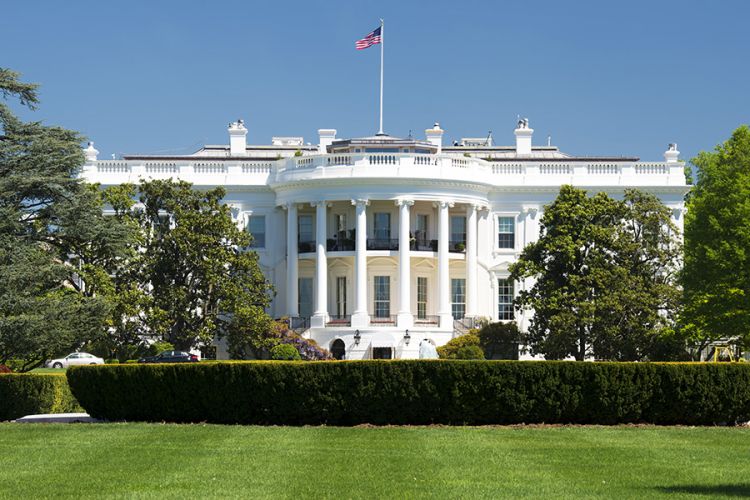
The Guardian liveblog tracked fresh moves to shift functions out of the Education Department.
The bottom line: The administration is continuing to strip functions from the Education Department.
What happened: A plan to move parts of federal education oversight to other agencies moved further ahead.
Why it matters: It affects policy continuity, oversight, and the balance of power with Congress.
What to watch: Watch for congressional pushback, state reactions, and any further transfers of authority.
Economy
Brent Falls Below $80

The Guardian business liveblog tied softer Iran tensions to Brent crude and shipping through Hormuz.
The bottom line: Softer Iran tensions cut shipping risk and pushed Brent below $80.
What happened: Markets started pricing in smoother shipping and less supply fear.
Why it matters: Oil feeds inflation, freight, and household costs, so a fall matters for central banks too.
What to watch: Watch whether the deal is implemented and whether the price drop sticks.
Bank of Japan Raises Rates to 1%

A Guardian report on the Bank of Japan's rate hike amid still-sticky inflation.
The bottom line: The BoJ raised short-term rates to their highest level in 31 years.
What happened: Japan’s monetary policy stayed on the tightening side.
Why it matters: It affects the yen, import prices, and rate expectations across Asia.
What to watch: Watch wage growth, yen moves, and any signal of another hike.
RBA Holds at 4.35%

A Guardian report on the Reserve Bank of Australia's decision to hold rates at 4.35%.
The bottom line: The RBA held at 4.35% but kept the door open to another hike if inflation stays sticky.
What happened: Australia’s central bank chose to pause rather than tighten again immediately.
Why it matters: It shows that lower oil alone is not enough for central banks to pivot quickly.
What to watch: Watch CPI, wages, and the Australian dollar.
Thames Water Moves Toward Nationalization

A Guardian report on Thames Water rescue plans and the risk of special administration.
The bottom line: The UK government is wary of a rescue and is edging closer to public control.
What happened: A roughly £1bn rescue plan became politically difficult and harder to close.
Why it matters: It has direct implications for bills, investment, and utility capital structure.
What to watch: Watch for special administration, tariff changes, and who absorbs the losses.
UK House Prices Cool as Rates Bite

A Guardian article on cooling UK house prices as borrowing costs stay high.
The bottom line: House prices fell month on month for the first time this year as higher borrowing costs cooled demand.
What happened: The housing market slowed as high rates and cautious buyers kept activity down.
Why it matters: It is another sign that higher rates are feeding through to the real economy.
What to watch: Watch rate expectations for later in the year and whether mortgage demand rebounds.
Technology
Microsoft’s Patch Tuesday Breaks Records

A TechRadar security report on Microsoft's unusually large monthly patch set.
The bottom line: Microsoft patched more than 200 vulnerabilities in a record-sized Patch Tuesday cycle.
What happened: The monthly Windows patch set landed at an unusually large scale.
Why it matters: Security operations are getting heavier, not lighter, even in the AI era.
What to watch: Watch for zero-day reuse, enterprise patch speed, and any missed fixes.
IMEC’s 6G Chip Points Beyond Nvidia
A TechRadar piece on IMEC's packaging advance and the telecom angle around Nvidia.
The bottom line: IMEC’s packaging work improves the manufacturability of chips that link AI and 6G.
What happened: Chiplet and 300mm packaging progress made next-gen telecom silicon more practical.
Why it matters: Nvidia’s growth story now stretches beyond GPUs into telecom infrastructure.
What to watch: Watch production timing, partners, and the pace of 6G standardization.
Microsoft Walks Away from Oracle Cloud Capacity
A Business Insider report on the collapse of a large cloud-capacity lease talk over compliance concerns.
The bottom line: Microsoft passed on Oracle cloud capacity, showing that the AI compute race is now tied to compliance.
What happened: A large capacity deal fell apart over security certification and procurement terms.
Why it matters: Compute scarcity is now as much a compliance problem as a hardware problem.
What to watch: Watch for alternative suppliers, FedRAMP progress, and rising procurement costs.
Pennsylvania Pushback on Datacenters

A Guardian report on local resistance to proposed AI datacenters in Pennsylvania.
The bottom line: AI datacenter buildouts are turning into local battles over power, noise, and environmental strain.
What happened: Local officials and residents turned more cautious about bringing in large facilities.
Why it matters: AI investment now depends heavily on state and local permitting.
What to watch: Watch power contracts, zoning approvals, and any local ballot or ordinance fights.
China Plans a National AI Data-Center Grid

A Tom's Hardware report on China's plan for a national AI datacenter network built on domestic chips.
The bottom line: Beijing is treating AI compute as national infrastructure and moving to a domestic-chip supply chain.
What happened: A state-led plan linked compute resources with the power grid across a wider network.
Why it matters: The AI race is shifting from model quality to power, chips, and state-backed infrastructure.
What to watch: Watch domestic-chip targets, power constraints, and how quickly the plan is implemented.
Cross-cutting read
- De-escalation in the Middle East is feeding quickly into oil, rates, and housing.
- U.S. politics is fighting on multiple fronts at once: elections, war powers, and education administration.
- The AI boom is shifting from model competition to power, datacenters, cloud capacity, and security.
What to watch next
- Whether the US-Iran truce translates into sustained shipping normalization and lower oil.
- How far court challenges and congressional pushback spread on voting rights and Education Department changes.
- Whether power, permitting, and financing constraints slow the next wave of AI datacenter buildout.
2026-06-17 中東緩和で市場が動き、米政局は硬直、AI投資は拡大
中東の緊張がいったん和らいだことで原油と金利の見通しが揺れ、米国では選挙、戦争権限、教育行政をめぐる対立が続いた。技術面では、Windowsの大規模修正、6Gチップ、クラウド容量争奪、データセンター反発、中国の国家AI網計画が並び、AI競争がモデルから電力と許認可へ移っている。出典は政治では The Guardian の US politics liveblog と個別記事、経済では The Guardian business liveblog と各国中銀・企業記事、技術では current coverage を中心に整理した。
政治
White House UFC襲撃計画で5人訴追
Guardian の US politics liveblog。White House の UFC イベント襲撃計画に関する訴追を追った。
要点: 司法省は、White HouseのUFCイベントを狙った攻撃計画に関与したとして5人を訴追した。
何が起きたか: 捜査当局は、事件の共謀と準備行為を理由に複数人を起訴した。
なぜ重要か: 大統領執務空間の安全性と、政治イベント周辺の治安警備に再び注目が集まる。
今後の注視点: 共犯者の有無、動機の全容、FBI長官の発言をめぐる批判の広がり。
ジョージア上院予備選はマイク・コリンズ
Guardian のジョージア上院レース記事。共和党候補の座をめぐる決選を整理している。
要点: 共和党はマイク・コリンズを本選候補に立て、ジョージア上院選の本戦に入る。
何が起きたか: ジョージアの共和党予備選は、上院候補を決める段階で決着した。
なぜ重要か: ジョージアは上院多数派を左右する激戦州で、候補の色が本選の争点を決める。
今後の注視点: Ossoff 陣営の反撃、資金流入、郊外有権者の動き。
投票権をめぐる政権の攻勢が拡大
Guardian の分析記事。郵便投票や州の有権者情報をめぐる圧力を整理した。
要点: 連邦政府は郵便投票や州の選挙データに圧力をかけ、投票ルールをめぐる争いを拡大させている。
何が起きたか: 投票制度をめぐる連邦と州の攻防が、政策と訴訟の両面で進んだ。
なぜ重要か: 有権者登録、郵便投票、捜査権限の扱いが、2026年の選挙環境を変える。
今後の注視点: 裁判所の差し止め、州選挙当局の反発、議会の監督。
イラン戦争の終結決議は上院で否決
Guardian のライブブログ。対イラン戦闘の継続に歯止めをかける戦争権限決議を追った。
要点: 上院は、イランへの軍事関与を止めるための戦争権限決議を退けた。
何が起きたか: 議員たちは、ホワイトハウスの対イラン方針をめぐって採決に踏み切った。
なぜ重要か: 議会の監視が弱いままだと、対イラン政策のエスカレーション管理が難しくなる。
今後の注視点: 停戦の持続、次の戦争権限投票、政権内の対外強硬派の動き。
教育省の権限分散がさらに進む
Guardian のライブブログが、教育省から特殊教育や公民権監督を切り出す動きを追った。
要点: 教育省の機能を他省庁へ移す動きが進み、事実上の縮小が続いている。
何が起きたか: 連邦教育行政の一部を他省庁へ移す方針が、さらに前へ進んだ。
なぜ重要か: 教育政策の一貫性、監督責任、議会との権限配分に影響する。
今後の注視点: 議会の反発、州教育当局の対応、対象機能の追加移管。
経済
ブレント原油は80ドルを割り込む
Guardian business liveblog が、US-Iran の緩和観測で下げる Brent と海上輸送を整理した。
要点: US-Iran の緩和期待で shipping リスクが下がり、Brent は80ドル割れへ向かった。
何が起きたか: 市場は、海上輸送の正常化と供給不安の後退を織り込み始めた。
なぜ重要か: 原油はインフレ、運賃、家計支出に直結するため、下落は中央銀行にも効く。
今後の注視点: 合意が本当に履行されるか、そして下げが一時的かどうか。
日銀は31年ぶりに1%へ利上げ
Guardian の日銀記事。インフレ圧力の中で 1% への利上げを報じた。
要点: 日銀はインフレ警戒を背景に、31年ぶりの水準まで短期金利を引き上げた。
何が起きたか: 日本の金融政策は、依然として引き締め側にあることを示した。
なぜ重要か: 円相場、輸入物価、アジアの金利見通しに波及する。
今後の注視点: 賃上げの持続、円の反応、次回会合での追加利上げ示唆。
豪中銀は4.35%で据え置き
Guardian の豪中銀記事。4.35%据え置きとインフレ警戒をまとめた。
要点: RBAは4.35%で据え置き、なおインフレが残るなら再利上げも示唆した。
何が起きたか: 豪州中銀は追加引き締めと様子見の間で、いったん停止を選んだ。
なぜ重要か: 原油安が来ても、中央銀行がすぐには利下げへ向かわないことを示す。
今後の注視点: CPI、賃金データ、豪ドルの反応。
テムズ・ウォーターは国有化が近づく
Guardian のテムズ・ウォーター記事。救済策と公的管理の可能性を追った。
要点: 英政府は救済に慎重で、実質的な公的管理へ近づいている。
何が起きたか: 10億ポンド級の救済案が政治的に重荷になり、交渉が難しくなった。
なぜ重要か: 水道料金、設備投資、公益事業の資本政策に直接響く。
今後の注視点: 特別管理への移行、料金改定、投資家の損失負担の分担。
英住宅価格はローン金利高で失速
Guardian の住宅市場記事。金利高で英住宅価格が弱含む様子をまとめた。
要点: 住宅価格は年初来で初めて前月比下落し、借入コストの高さが需要を冷やしている。
何が起きたか: 住宅市場は金利高と買い手の慎重姿勢で、回復ペースが鈍った。
なぜ重要か: 金利高が実体経済に効き始めたサインとして、消費と景気見通しに影響する。
今後の注視点: 8月以降の金利見通しと、住宅ローン申請の反発有無。
技術
Microsoftの月例更新は過去最大規模
TechRadar のセキュリティ記事。200件超の脆弱性修正をまとめた。
要点: Microsoft は約200件の脆弱性を修正し、Patch Tuesday は記録的な規模になった。
何が起きたか: Windows と関連製品の月例修正が、過去最大級のボリュームになった。
なぜ重要か: AI時代でも防御は増える一方で、セキュリティ運用の負荷が上がっている。
今後の注視点: ゼロデイの再利用、企業の適用速度、修正漏れの有無。
IMECの6GチップがNvidiaの次を示す
TechRadar の記事。300mm chiplet での実装進展と Nvidia の通信領域を扱う。
要点: IMECの実装技術は、AIと6Gをつなぐ通信チップの量産性を一段押し上げた。
何が起きたか: chiplet と 300mm 実装の進展が、次世代通信向け半導体の現実味を増した。
なぜ重要か: Nvidia の成長ストーリーが GPU 以外の通信インフラにも広がる。
今後の注視点: 量産時期、提携先、6G 規格化の進み方。
MicrosoftがOracleのクラウド容量を見送り
Business Insider の報道。FedRAMP と認証要件で大型リース交渉が崩れたと伝える。
要点: Microsoft は Oracle からのクラウド容量調達を見送り、AI計算資源争奪が認証問題と直結した。
何が起きたか: 大型の容量契約が、セキュリティ認証や調達条件の壁で破談になった。
なぜ重要か: compute は単なるハード不足ではなく、規制対応と供給網の問題になっている。
今後の注視点: 他のクラウド供給先、FedRAMP 対応の進展、調達コストの上昇。
ペンシルベニアでデータセンター反発
Guardian の記事。AI向けデータセンター計画に対する地域の反発を追う。
要点: AIデータセンターの建設が、電力・騒音・環境負荷をめぐる地域政治に変わっている。
何が起きたか: 地元政治家と住民が、巨大施設の誘致に慎重姿勢を強めた。
なぜ重要か: AI投資の成否は、州や自治体の許認可で詰まる。
今後の注視点: 電力契約、用途変更許可、住民投票や条例の動き。
中国は国家AIデータセンター網を計画
Tom's Hardware の報道。国内チップ中心の国家AIデータセンター網を紹介する。
要点: 北京はAI計算資源を国家インフラとして束ね、国内半導体中心の供給網を急いでいる。
何が起きたか: 国家主導で、計算資源と送電網を結ぶ広域計画が打ち出された。
なぜ重要か: AI競争がモデル性能から電力・CPU/GPU・国策インフラの競争へ移る。
今後の注視点: 国内チップ比率、送電制約、計画の実装速度。
横断的な見立て
- 中東の緩和は原油、金利、住宅の順に波及し、マクロの主役が再びエネルギーになった。
- 米国内では選挙、戦争権限、教育行政をめぐる権力争いが同時に進み、制度面の不確実性が高い。
- AIブームの焦点はモデル競争から、電力・データセンター・クラウド容量・セキュリティへ移っている。
追跡すべき未確定事項
- US-Iran の緩和が原油と海上輸送の正常化につながるか。
- 投票権、教育省、戦争権限をめぐる訴訟や議会反発がどこまで広がるか。
- AI向けデータセンターの電力、許認可、資金調達の制約が投資計画を鈍らせるか。