Published
-
2026-07-03 Birthright fights, weaker jobs, and AI release controls

Photo by Markus Winkler on Unsplash
2026-07-03 Birthright fights, weaker jobs, and AI release controls
Politics centered on Trump administration pressure across birthright citizenship, voting, crypto, and symbolic statecraft. The economy slowed in the June jobs report, while technology kept shifting toward policy-shaped release rules for OpenAI and Anthropic.
Politics
Birth tourism crackdown

Live coverage says the Justice Department is stepping up birth-tourism enforcement after the ruling.
The bottom line: The administration is pushing birth-tourism enforcement immediately after the citizenship ruling.
What happened: Justice Department officials signaled they will target cases where visitors seek to give birth in the US. The Supreme Court kept birthright citizenship in place, and the administration is moving through enforcement first.
Why it matters: Whether Washington narrows the rule or just tightens enforcement changes the practical scope of immigration policy.
What to watch: Watch for any bill in Congress and for data on how large the birth-tourism problem really is.
Mail-in voting blocked

Live coverage says a federal court stopped the administration's push to restrict mail-in voting.
The bottom line: The mail-in voting restriction is blocked for now.
What happened: A federal court blocked the push to change how mail-in voting works. The fight turned on whether the move intruded on state control of elections.
Why it matters: Election administration is now a courtroom issue, not just a campaign issue.
What to watch: Watch for an appeal and for any state-level response.
Trump crypto disclosures

The disclosure filings renewed conflict-of-interest questions around Trump's crypto income.
The bottom line: Crypto is both a revenue stream and a conflict-of-interest flash point for Trump.
What happened: The 2025 financial disclosures showed Trump taking in large crypto-related income. The White House rejected conflict concerns, but the criticism did not stop.
Why it matters: The story raises again whether digital-asset policy can be separated from personal gain.
What to watch: Watch for responses from ethics, oversight, or campaign-finance channels.
Mamdani’s America250 address

The New York mayor previewed a speech centered on immigration and city history.
The bottom line: The America250 narrative is no longer only Trump’s to frame.
What happened: Mamdani previewed remarks framed around newly naturalized citizens and the city’s place in the national story. He is offering a rival symbolic message on the same day as Trump’s ceremonial event.
Why it matters: Immigration, urban politics, and national symbolism are competing on the same commemorative stage.
What to watch: Watch the speech itself and the Trump camp’s response.
E. Jean Carroll payment push

After the Supreme Court declined the appeal, Carroll asked for immediate enforcement of the judgment.
The bottom line: Trump’s legal fight continues even after the appeal was turned away.
What happened: Carroll asked a judge to order payment after the Supreme Court declined to hear Trump’s appeal. The question has shifted from liability to timing.
Why it matters: Once civil liability is set, the enforcement fight becomes the next front.
What to watch: Watch for whether the judge orders immediate payment or permits more delay.
Economy
June jobs miss
Live coverage shows June payroll growth came in well below expectations.
The bottom line: Jobs still grew, but not by the amount analysts expected.
What happened: June nonfarm payrolls rose by 57,000, far below expectations. Revisions to prior months also reinforced the slowdown.
Why it matters: Payroll momentum feeds directly into growth expectations and rate policy.
What to watch: Watch whether revisions and other data reinforce the slowdown before the July FOMC.
Lower unemployment, weaker participation
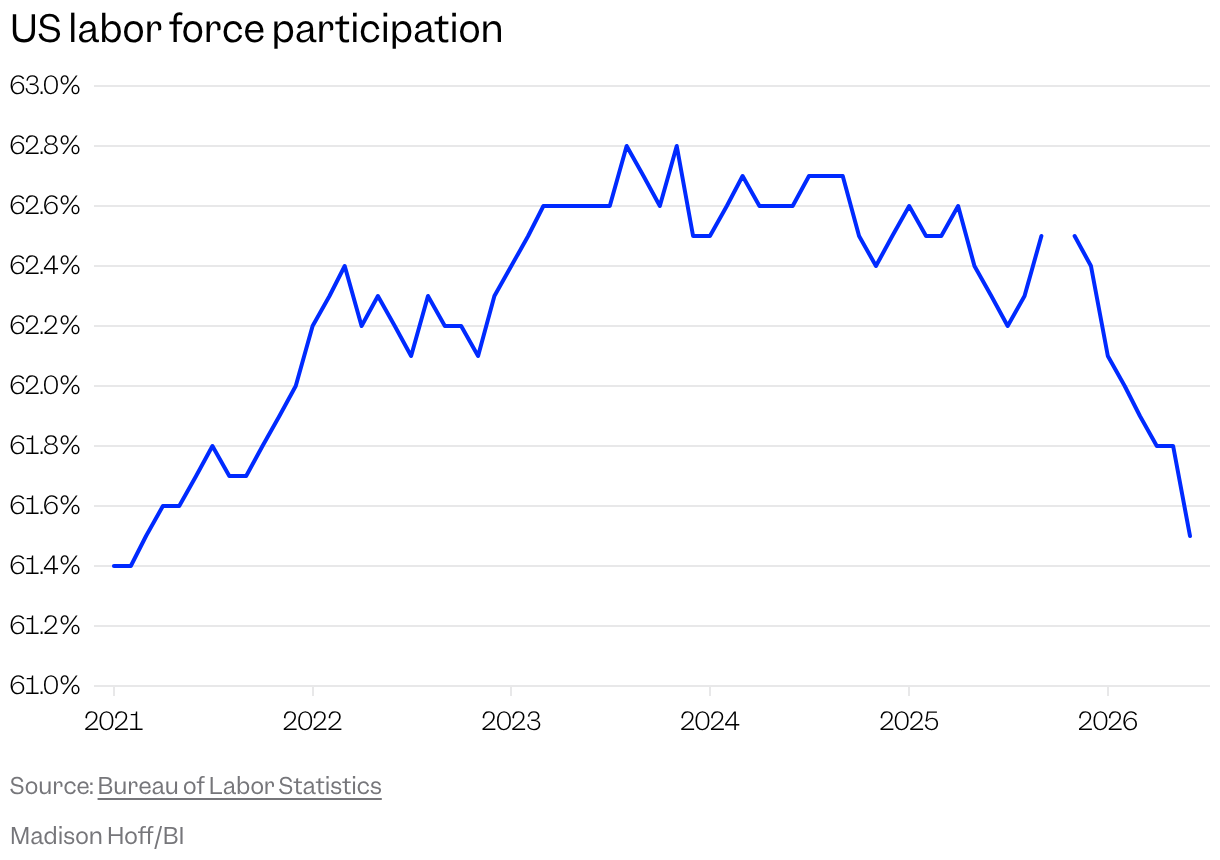
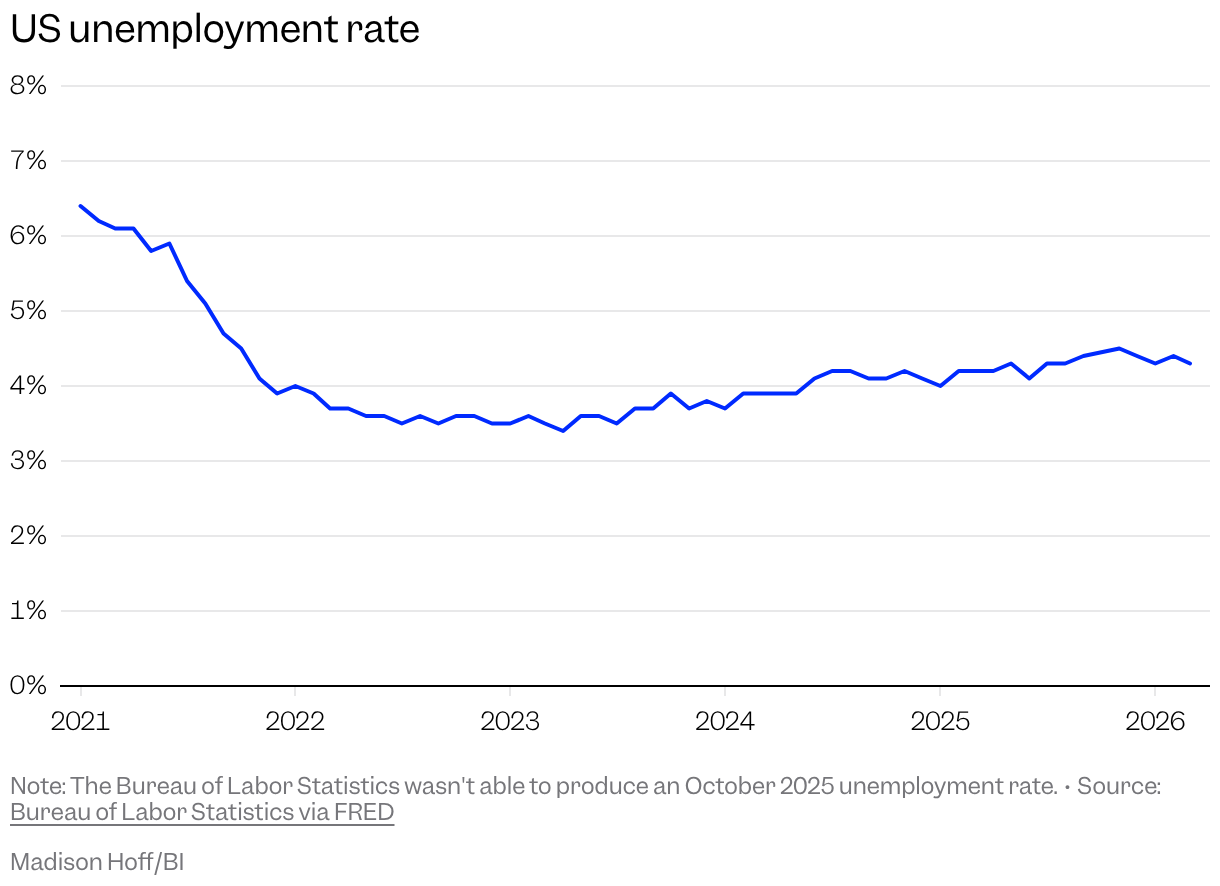
The piece digs into how the lower unemployment rate came with weaker labor-force participation.
The bottom line: The drop in unemployment came alongside weaker participation.
What happened: Unemployment fell, but not because hiring suddenly surged. More people were outside the labor force, which makes the headline look stronger than it is.
Why it matters: Weaker participation does not mean the labor market is healthier.
What to watch: Watch whether prime-age participation and labor supply recover in July.
Wages rose, but inflation still leads
The piece notes that wage gains may still trail inflation in real terms.
The bottom line: Wages rose, but real earnings still lag inflation.
What happened: Average hourly earnings rose 3.5% year over year, but inflation still leaves households under pressure.
Why it matters: Household spending depends on real wages, not just nominal pay.
What to watch: Watch the next CPI release to see whether real wage pressure eases.
Rate-hike odds fade
The weak labor print shifted expectations toward easier policy.
The bottom line: The weak payroll report pushed rate-hike expectations lower.
What happened: Bonds and equities leaned toward a hold-or-easier policy path after the slowdown. Markets started pricing in caution over growth rather than a hike.
Why it matters: When rate expectations shift, mortgages, credit, and equity valuations move with them.
What to watch: Watch pre-FOMC comments and how far bond traders extend rate-cut pricing.
Leisure and hospitality slows
Sector detail showed the slowdown was spreading beyond a single corner of the labor market.
The bottom line: The labor slowdown was not confined to one sector.
What happened: Leisure, hospitality, and related consumer-facing sectors were weaker than expected, and prior-month revisions also pointed to a slower pace.
Why it matters: Weak service-sector hiring can be an early sign that household caution is reaching employers.
What to watch: Watch summer spending data and hiring plans in the leisure sector.
Technology
OpenAI release adjustment

The report ties release timing and access limits to a government request.
The bottom line: AI release timing itself is now being shaped by government pressure.
What happened: The Guardian reported that OpenAI staggered a new model release and that a Trump administration request influenced the decision. Product launches are no longer set by research alone.
Why it matters: Release conditions are becoming a policy and security issue.
What to watch: Watch for formal release criteria from OpenAI and whether rivals follow.
OpenAI government stake

Reports described a possible government stake as part of talks around Sam Altman.
The bottom line: The government-AI relationship is moving beyond advice and regulation into capital questions.
What happened: Reports said a 5% government stake in OpenAI was floated. It is not a finalized deal, but it shows policy and capital moving closer together.
Why it matters: A government equity position would change how independence, oversight, and procurement are handled.
What to watch: Watch for actual terms or a formal explanation from government officials.
Anthropic’s Fable 5 returns
The report says the model came back online after a security-driven shutdown.
The bottom line: AI availability is being shaped by export-control rules as much as product choices.
What happened: Fable 5 reportedly returned after export-control and security concerns forced it offline. The launch-and-shutdown cycle is now affected by geopolitics.
Why it matters: Distribution of frontier models is becoming a cross-border regulatory issue.
What to watch: Watch for the same pattern spreading to other models.
OpenAI’s Codex Micro
A small code-input device was teased as a new developer workflow.
The bottom line: OpenAI is drawing attention not only with models, but with the hardware around them.
What happened: Business Insider reported that OpenAI teased a small coding device. The idea is to turn model access into a dedicated hardware workflow.
Why it matters: AI competition now extends beyond model quality into how people access and use it.
What to watch: Watch whether it becomes a real product and how much OpenAI opens to developers.
Windows 11 July update
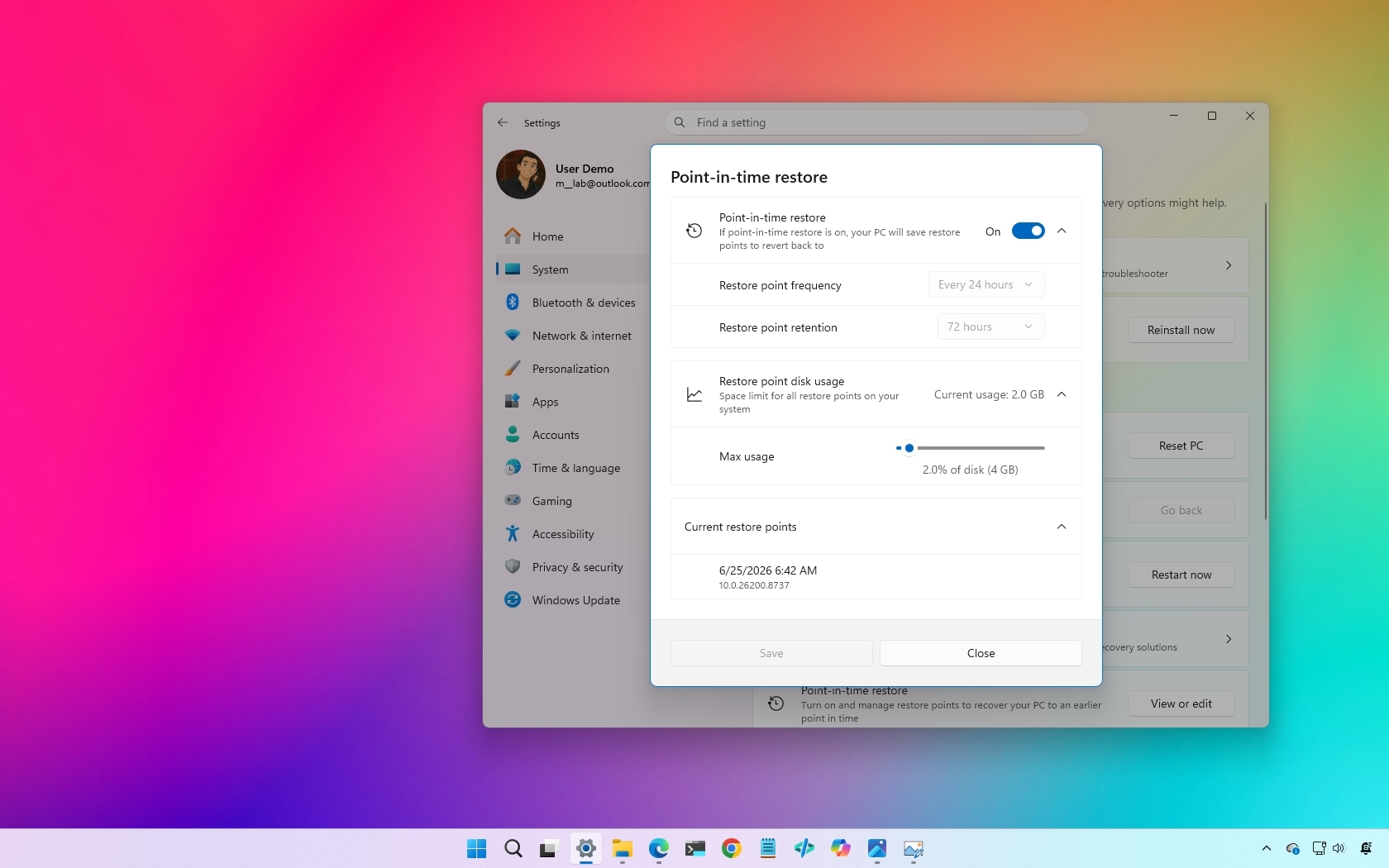
The update package was summarized as a bundle of new Windows 11 features.
The bottom line: OS updates change daily use more than splashy announcements do.
What happened: Windows Central said the July Windows 11 update includes a cluster of new features. User-facing changes add up even when they are not flashy.
Why it matters: OS updates affect device management, support load, and user training.
What to watch: Watch rollout scope and any bug reports on existing features.
Cross-cutting read
- Policy choices are now shaping the operating conditions for elections, labor markets, and AI product launches at the same time.
- The jobs data pointed to a softer labor market, but the headline unemployment drop came with weaker participation.
- In AI, the main question is no longer just what launches, but who can release it, when, and to whom.
What to watch next
- Watch whether birth-tourism enforcement stays at the level of policing or turns into legislation.
- Watch the July Fed meeting and the bond-market reaction to the June payroll miss.
- Watch whether OpenAI and Anthropic turn reported pressure into formal release rules.