Published
-
2026-07-03 Birthright fights, weaker jobs, and AI release controls

Photo by Markus Winkler on Unsplash
2026-07-03 Birthright fights, weaker jobs, and AI release controls
Politics centered on Trump administration pressure across birthright citizenship, voting, crypto, and symbolic statecraft. The economy slowed in the June jobs report, while technology kept shifting toward policy-shaped release rules for OpenAI and Anthropic.
Politics
Birth tourism crackdown

Live coverage says the Justice Department is stepping up birth-tourism enforcement after the ruling.
The bottom line: The administration is pushing birth-tourism enforcement immediately after the citizenship ruling.
What happened: Justice Department officials signaled they will target cases where visitors seek to give birth in the US. The Supreme Court kept birthright citizenship in place, and the administration is moving through enforcement first.
Why it matters: Whether Washington narrows the rule or just tightens enforcement changes the practical scope of immigration policy.
What to watch: Watch for any bill in Congress and for data on how large the birth-tourism problem really is.
Mail-in voting blocked

Live coverage says a federal court stopped the administration's push to restrict mail-in voting.
The bottom line: The mail-in voting restriction is blocked for now.
What happened: A federal court blocked the push to change how mail-in voting works. The fight turned on whether the move intruded on state control of elections.
Why it matters: Election administration is now a courtroom issue, not just a campaign issue.
What to watch: Watch for an appeal and for any state-level response.
Trump crypto disclosures

The disclosure filings renewed conflict-of-interest questions around Trump's crypto income.
The bottom line: Crypto is both a revenue stream and a conflict-of-interest flash point for Trump.
What happened: The 2025 financial disclosures showed Trump taking in large crypto-related income. The White House rejected conflict concerns, but the criticism did not stop.
Why it matters: The story raises again whether digital-asset policy can be separated from personal gain.
What to watch: Watch for responses from ethics, oversight, or campaign-finance channels.
Mamdani’s America250 address

The New York mayor previewed a speech centered on immigration and city history.
The bottom line: The America250 narrative is no longer only Trump’s to frame.
What happened: Mamdani previewed remarks framed around newly naturalized citizens and the city’s place in the national story. He is offering a rival symbolic message on the same day as Trump’s ceremonial event.
Why it matters: Immigration, urban politics, and national symbolism are competing on the same commemorative stage.
What to watch: Watch the speech itself and the Trump camp’s response.
E. Jean Carroll payment push

After the Supreme Court declined the appeal, Carroll asked for immediate enforcement of the judgment.
The bottom line: Trump’s legal fight continues even after the appeal was turned away.
What happened: Carroll asked a judge to order payment after the Supreme Court declined to hear Trump’s appeal. The question has shifted from liability to timing.
Why it matters: Once civil liability is set, the enforcement fight becomes the next front.
What to watch: Watch for whether the judge orders immediate payment or permits more delay.
Economy
June jobs miss
Live coverage shows June payroll growth came in well below expectations.
The bottom line: Jobs still grew, but not by the amount analysts expected.
What happened: June nonfarm payrolls rose by 57,000, far below expectations. Revisions to prior months also reinforced the slowdown.
Why it matters: Payroll momentum feeds directly into growth expectations and rate policy.
What to watch: Watch whether revisions and other data reinforce the slowdown before the July FOMC.
Lower unemployment, weaker participation
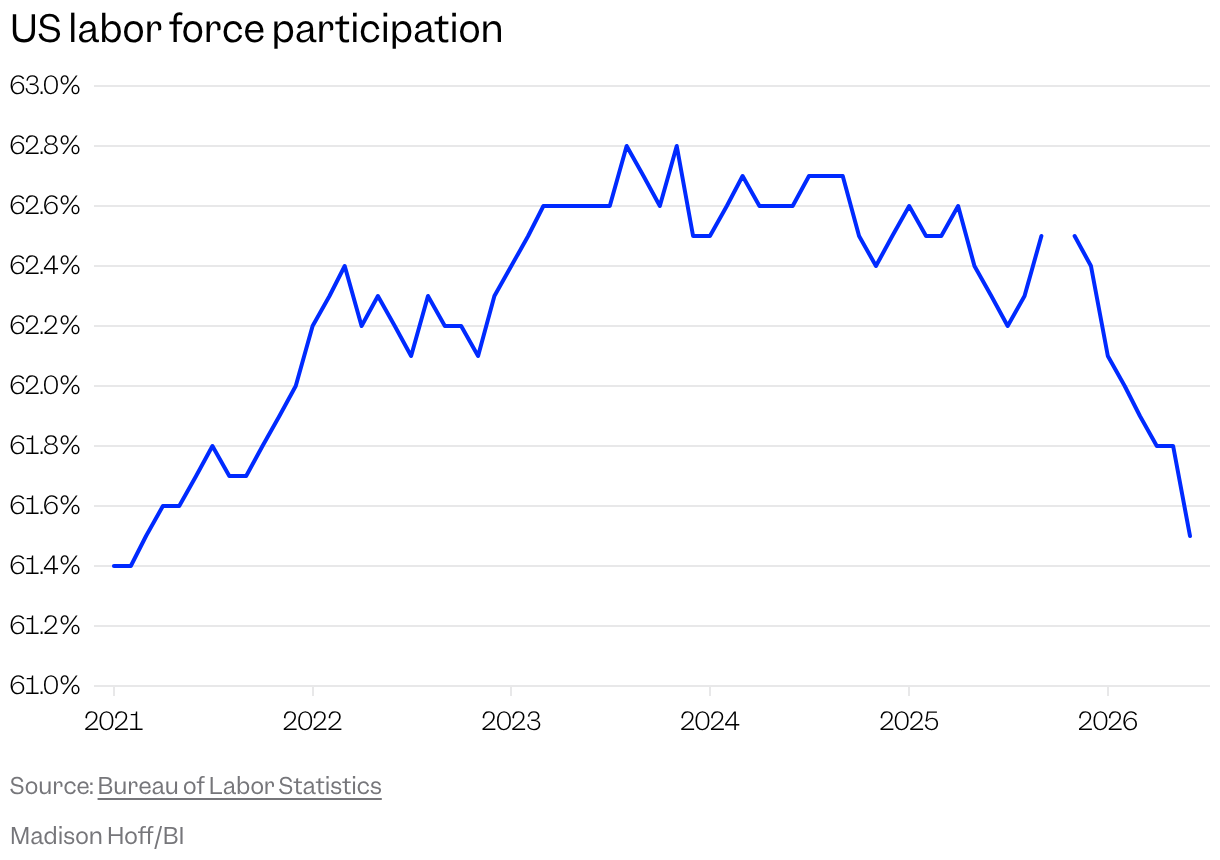
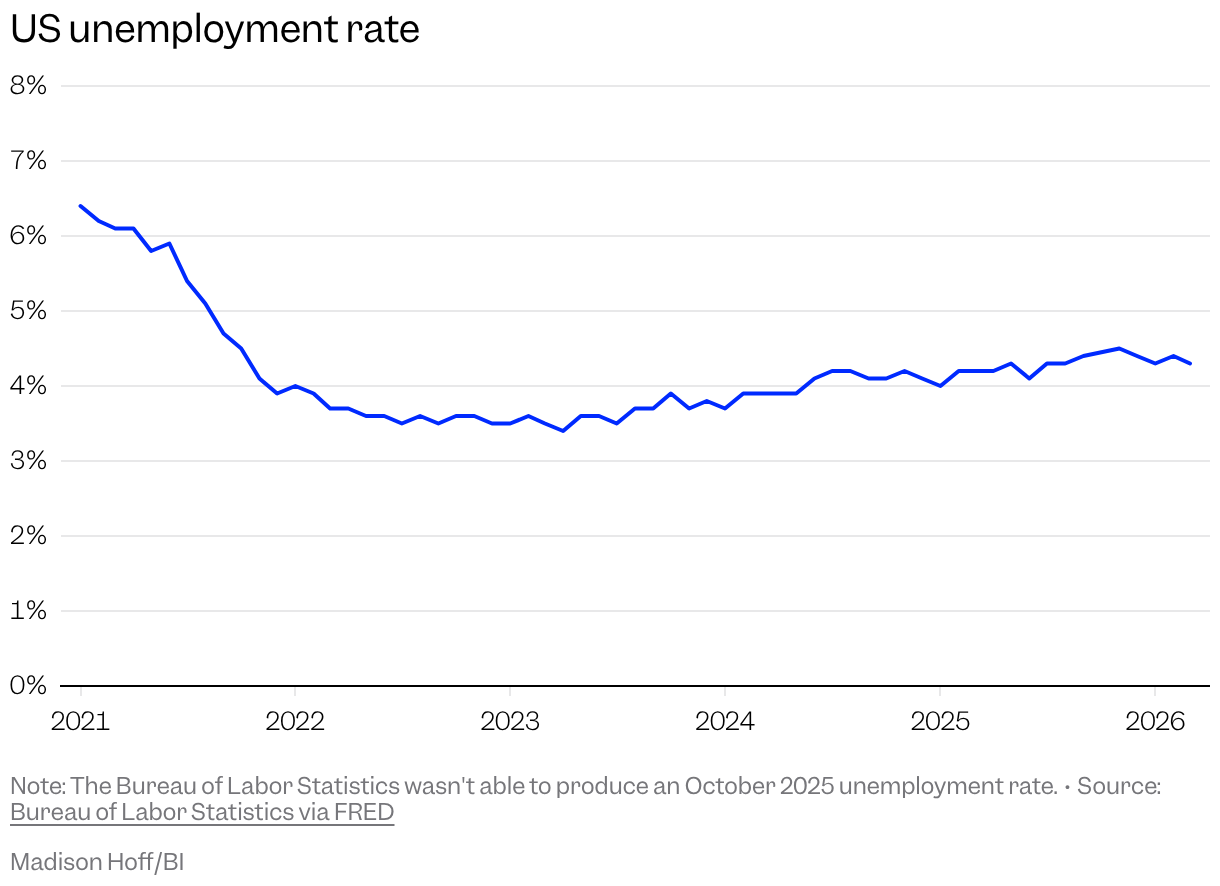
The piece digs into how the lower unemployment rate came with weaker labor-force participation.
The bottom line: The drop in unemployment came alongside weaker participation.
What happened: Unemployment fell, but not because hiring suddenly surged. More people were outside the labor force, which makes the headline look stronger than it is.
Why it matters: Weaker participation does not mean the labor market is healthier.
What to watch: Watch whether prime-age participation and labor supply recover in July.
Wages rose, but inflation still leads
The piece notes that wage gains may still trail inflation in real terms.
The bottom line: Wages rose, but real earnings still lag inflation.
What happened: Average hourly earnings rose 3.5% year over year, but inflation still leaves households under pressure.
Why it matters: Household spending depends on real wages, not just nominal pay.
What to watch: Watch the next CPI release to see whether real wage pressure eases.
Rate-hike odds fade
The weak labor print shifted expectations toward easier policy.
The bottom line: The weak payroll report pushed rate-hike expectations lower.
What happened: Bonds and equities leaned toward a hold-or-easier policy path after the slowdown. Markets started pricing in caution over growth rather than a hike.
Why it matters: When rate expectations shift, mortgages, credit, and equity valuations move with them.
What to watch: Watch pre-FOMC comments and how far bond traders extend rate-cut pricing.
Leisure and hospitality slows
Sector detail showed the slowdown was spreading beyond a single corner of the labor market.
The bottom line: The labor slowdown was not confined to one sector.
What happened: Leisure, hospitality, and related consumer-facing sectors were weaker than expected, and prior-month revisions also pointed to a slower pace.
Why it matters: Weak service-sector hiring can be an early sign that household caution is reaching employers.
What to watch: Watch summer spending data and hiring plans in the leisure sector.
Technology
OpenAI release adjustment

The report ties release timing and access limits to a government request.
The bottom line: AI release timing itself is now being shaped by government pressure.
What happened: The Guardian reported that OpenAI staggered a new model release and that a Trump administration request influenced the decision. Product launches are no longer set by research alone.
Why it matters: Release conditions are becoming a policy and security issue.
What to watch: Watch for formal release criteria from OpenAI and whether rivals follow.
OpenAI government stake

Reports described a possible government stake as part of talks around Sam Altman.
The bottom line: The government-AI relationship is moving beyond advice and regulation into capital questions.
What happened: Reports said a 5% government stake in OpenAI was floated. It is not a finalized deal, but it shows policy and capital moving closer together.
Why it matters: A government equity position would change how independence, oversight, and procurement are handled.
What to watch: Watch for actual terms or a formal explanation from government officials.
Anthropic’s Fable 5 returns
The report says the model came back online after a security-driven shutdown.
The bottom line: AI availability is being shaped by export-control rules as much as product choices.
What happened: Fable 5 reportedly returned after export-control and security concerns forced it offline. The launch-and-shutdown cycle is now affected by geopolitics.
Why it matters: Distribution of frontier models is becoming a cross-border regulatory issue.
What to watch: Watch for the same pattern spreading to other models.
OpenAI’s Codex Micro
A small code-input device was teased as a new developer workflow.
The bottom line: OpenAI is drawing attention not only with models, but with the hardware around them.
What happened: Business Insider reported that OpenAI teased a small coding device. The idea is to turn model access into a dedicated hardware workflow.
Why it matters: AI competition now extends beyond model quality into how people access and use it.
What to watch: Watch whether it becomes a real product and how much OpenAI opens to developers.
Windows 11 July update
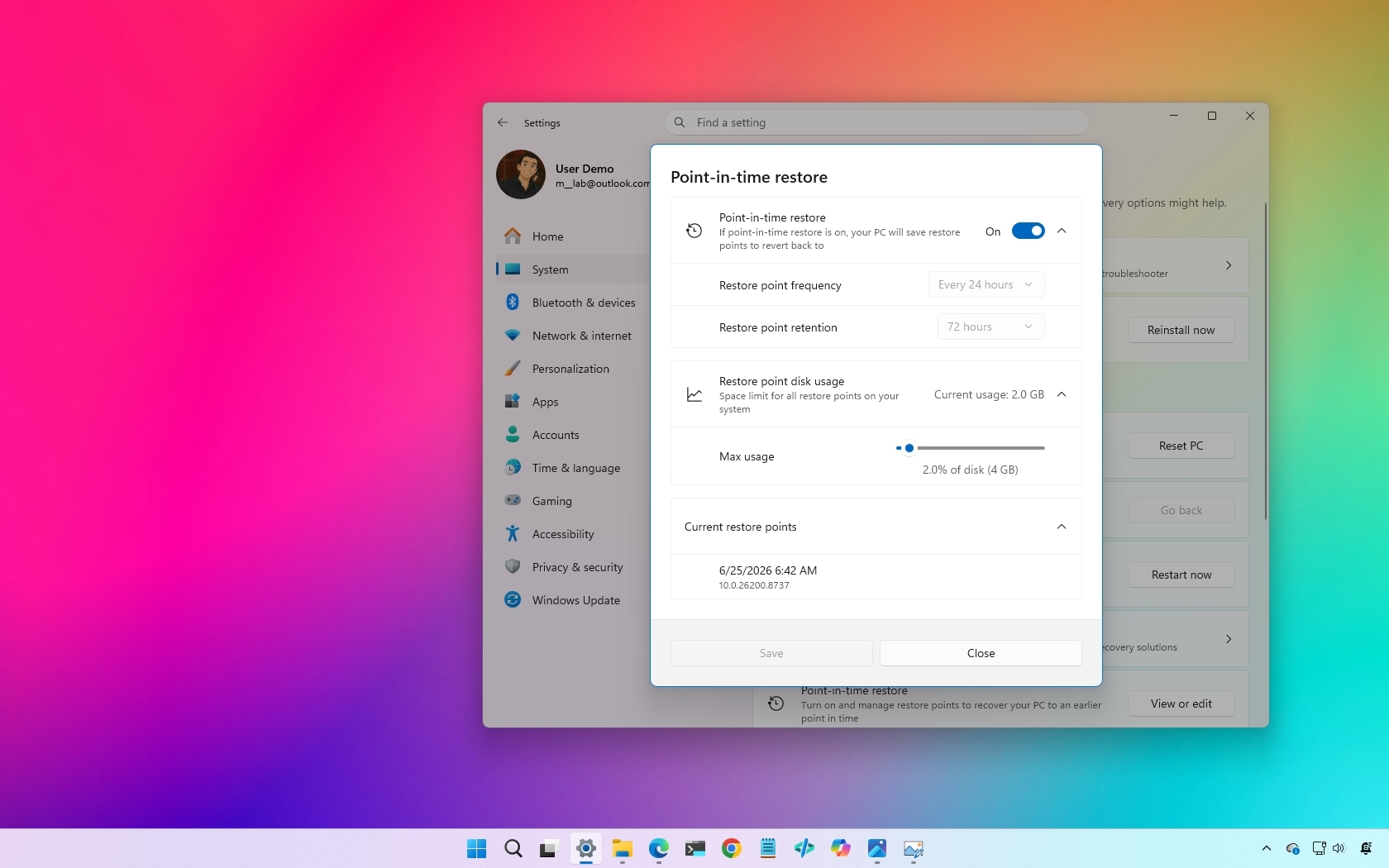
The update package was summarized as a bundle of new Windows 11 features.
The bottom line: OS updates change daily use more than splashy announcements do.
What happened: Windows Central said the July Windows 11 update includes a cluster of new features. User-facing changes add up even when they are not flashy.
Why it matters: OS updates affect device management, support load, and user training.
What to watch: Watch rollout scope and any bug reports on existing features.
Cross-cutting read
- Policy choices are now shaping the operating conditions for elections, labor markets, and AI product launches at the same time.
- The jobs data pointed to a softer labor market, but the headline unemployment drop came with weaker participation.
- In AI, the main question is no longer just what launches, but who can release it, when, and to whom.
What to watch next
- Watch whether birth-tourism enforcement stays at the level of policing or turns into legislation.
- Watch the July Fed meeting and the bond-market reaction to the June payroll miss.
- Watch whether OpenAI and Anthropic turn reported pressure into formal release rules.
2026-07-03 出生市民権と郵便投票、雇用減速、AI公開制御が同時進行
政治では、トランプ政権が出生市民権、投票、暗号資産、文化的な象徴行事をまたいで存在感を強めた。経済では6月雇用統計が減速を示し、技術ではOpenAIとAnthropicの公開条件が政策と安全保障の影響を受け続けた。
政治
出生ツーリズム締め付け
ライブ更新は、判決後に司法省が出生ツーリズム摘発を強める方針を伝えた。
要点: 出生市民権をめぐる判決の直後に、政権は出生ツーリズムの摘発を前面に出した。
何が起きたか: 司法省当局者が、観光ビザなどで米国出産を狙うケースを狙い撃ちにする考えを示した。最高裁は出生市民権を維持し、政権は執行強化を先に進めている。
なぜ重要か: 例外を広げるのか、執行だけを強めるのかで、移民政策の実務が変わる。
今後の注視点: 議会に修正法案が出るか、出生ツーリズムの規模を示すデータが出るかを見る。
郵便投票制限は差し止め
ライブ更新は、郵便投票を制限する政権案が連邦地裁で止まったと伝えた。
要点: 郵便投票の制限は、少なくとも当面は裁判所で止まった。
何が起きたか: 連邦地裁が、郵便投票のやり方を変えようとする大統領令系の動きを差し止めた。州が握る選挙管理の権限を侵すかどうかが焦点になった。
なぜ重要か: 投票制度は、結果だけでなく事務運営でも裁判の対象になっている。
今後の注視点: 控訴が出るか、州側が独自の投票ルールで対抗するかを見る。
トランプの暗号資産開示
開示資料が、暗号資産収入をめぐる利益相反論争を再燃させた。
要点: 暗号資産は、トランプ陣営の収益源であると同時に、利益相反の火種にもなっている。
何が起きたか: 2025年の財務開示で、トランプ氏の暗号資産関連収入が大きく目立った。ホワイトハウスは利益相反の見方を退けたが、批判は収まっていない。
なぜ重要か: デジタル資産政策が、個人の利益と切り離せるのかが改めて問われる。
今後の注視点: 監督当局や議会が、倫理・開示・選挙資金の論点で反応するかを見る。
Mamdaniの250周年演説
ニューヨーク市長が、移民と都市史を軸にした演説を予告した。
要点: America250 の語り口は、トランプの祝賀行事だけではない。
何が起きたか: Mamdaniは、自然化したばかりの市民に囲まれた演説を予告し、移民と国家の物語を前面に出した。トランプの儀礼的イベントと同じ日に、別の象徴政治を打ち出している。
なぜ重要か: 移民、都市政治、国家記念の物語が、同じ記念日に競り合っている。
今後の注視点: 演説の中身と、それに対するトランプ陣営の反応を見る。
キャロルの支払い請求
最高裁が上訴を退けたあと、キャロル氏が支払いの即時執行を求めた。
要点: トランプの法廷闘争は、上訴が終わってもなお続いている。
何が起きたか: キャロル氏は、最高裁が上訴審を受理しないと決めた後、判事に500万ドルの支払い命令を求めた。争点は賠償の有無ではなく、いつ支払わせるかに移っている。
なぜ重要か: 民事責任の判断が固まると、執行段階の争いが次の焦点になる。
今後の注視点: 判事が支払いを直ちに命じるか、さらに遅延が続くかを見る。
経済
6月雇用は予想未達
ライブ更新は、6月の雇用増加が予想に届かなかったことを示した。
要点: 雇用は伸びたが、予想には届かなかった。
何が起きたか: 6月の非農業部門雇用者数は57,000人増にとどまり、予想を大きく下回った。前月分の修正も含め、勢いの鈍化が目立った。
なぜ重要か: 雇用の勢いは、成長率と金利見通しの両方に直結する。
今後の注視点: 7月のFOMCまでに、修正値と追加指標が雇用減速を補強するかを見る。
失業率低下は参加率低下と表裏
失業率の低下が、労働参加率の低下と重なった点を掘り下げた。
要点: 失業率の低下は、労働参加率の低下を伴っていた。
何が起きたか: 失業率は下がったが、それは就業者が急増したからではなく、労働市場から外れる人が増えたためだった。見かけほど強い数字ではない。
なぜ重要か: 労働参加の鈍化は、景気の底堅さをそのまま意味しない。
今後の注視点: prime-age participation が戻るか、7月以降の労働供給が持ち直すかを見る。
賃金は伸びたが物価に追いつかず
時給の伸びがあっても、実質賃金の圧迫は残るという見方を示した。
要点: 賃金は上がったが、実質ベースではまだ物価の後ろにいる。
何が起きたか: 平均時給は前年比で3.5%増だったが、インフレ率との関係では家計の余地は薄いままだった。
なぜ重要か: 消費の粘り強さは、名目賃金ではなく実質賃金で決まる。
今後の注視点: 次のCPIで実質賃金の圧迫が和らぐかを見る。
利上げ観測は後退
雇用の弱さが、金利据え置きか利下げかの見方を動かした。
要点: 弱い雇用は、7月の利上げ観測を後退させた。
何が起きたか: 債券・株式市場は、雇用減速を受けて政策据え置きか緩和寄りの見方を強めた。市場は利上げよりも、景気減速への備えを織り込み始めた。
なぜ重要か: 金利見通しが変わると、住宅ローン、社債、株式の評価まで連鎖する。
今後の注視点: 7月FOMC前の発言と、債券市場の利下げ織り込みの広がりを見る。
レジャー・外食が失速
業種別の弱さが、雇用減速が広がっているかどうかを示した。
要点: 雇用の弱さは、一部の業種だけにとどまらなかった。
何が起きたか: レジャー・外食などの消費関連分野が想定より弱く、前月修正も含めて景気の足取りが鈍いことを示した。
なぜ重要か: サービス業の弱さは、家計の節約行動が企業の採用に伝わっているサインになりうる。
今後の注視点: 夏の消費関連指標と、レジャー業種の採用計画を見る。
技術
OpenAIの公開調整
公開時期とアクセス範囲が、政府の要請と結びついていると報じられた。
要点: AIの公開日程そのものが、政府の要請で動く局面に入った。
何が起きたか: Guardianは、OpenAIが新モデルの公開を段階化し、トランプ政権の要請がその判断に影響したと報じた。製品公開は研究だけで決まらなくなっている。
なぜ重要か: モデル公開の条件が、政策と安全保障の接点になっている。
今後の注視点: OpenAIが公開基準を正式化するか、他社が追随するかを見る。
OpenAIへの政府持分案
サム・アルトマン周辺の交渉として、政府持分案が伝えられた。
要点: AI企業と政府の関係は、助言や規制を超えて資本の話に入りつつある。
何が起きたか: 報道では、政府がOpenAIに5%の持分を取る案が浮上したとされた。まだ確定取引ではないが、政策と資本が近づいていることは明らかだ。
なぜ重要か: 政府が出資する構図は、独立性、監督、調達の線引きを変える。
今後の注視点: 実際の契約条項や、政府側の正式説明が出るかを見る。
AnthropicのFable 5復帰
安全保障上の制約で止まっていたモデルが復帰したと報じられた。
要点: AIモデルの可用性は、製品判断だけでなく輸出管理にも左右される。
何が起きたか: 輸出管理や安全保障上の懸念で停止していたFable 5が、再びオンラインになったと報じられた。公開と停止の判断が、地政学の影響を受けている。
なぜ重要か: 最先端モデルの配布は、国境をまたぐ規制判断の対象になっている。
今後の注視点: 他のモデルにも同様の制限や復帰が波及するかを見る。
OpenAIのCodex Micro
小型のコード入力デバイス案が、開発者向けの新しい使い方として報じられた。
要点: OpenAIは、モデルだけでなく操作デバイスの話でも開発者を引き寄せている。
何が起きたか: Business Insiderは、OpenAIが小型のコーディング用デバイスを示唆したと伝えた。モデル出力を使う入口を、専用機として切り出す発想だ。
なぜ重要か: AIの競争は、モデル性能だけでなく使い方の設計にも広がっている。
今後の注視点: 製品化の有無と、開発者向けにどこまで公開されるかを見る。
Windows 11の7月更新
新機能のまとまりとして、Windows 11の配布内容が整理された。
要点: OS更新は、派手な発表よりも日々の使い勝手を変える。
何が起きたか: Windows Centralは、7月のWindows 11更新に複数の新機能が含まれると整理した。ユーザー向けの変更は、地味でも積み上がる。
なぜ重要か: OS更新は企業端末の管理、サポート負荷、ユーザー教育に直結する。
今後の注視点: 配信対象の広がりと、既存機能への不具合報告を見る。
横断的な見立て
- 政策判断が、移民、選挙、AI公開、企業統治の境界をまたいで市場の前提条件になっている。
- 雇用統計の弱さは景気後退の確定ではなく、労働参加の鈍化と賃金の粘着性を同時に示した。
- AIでは、誰が何を出すかより先に、いつ誰に配るかが政治と規制の論点になっている。
追跡すべき未確定事項
- 出生ツーリズム対策が、執行強化で終わるのか法改正まで進むのかを見る。
- 6月雇用統計を受けた7月のFOMCと債券市場の反応を追う。
- OpenAIとAnthropicの公開条件が、正式な政策や製品仕様に落ちるかを確認する。