Published
-
Between Forest and Granary: Brazil Geopolitical Profile 2026
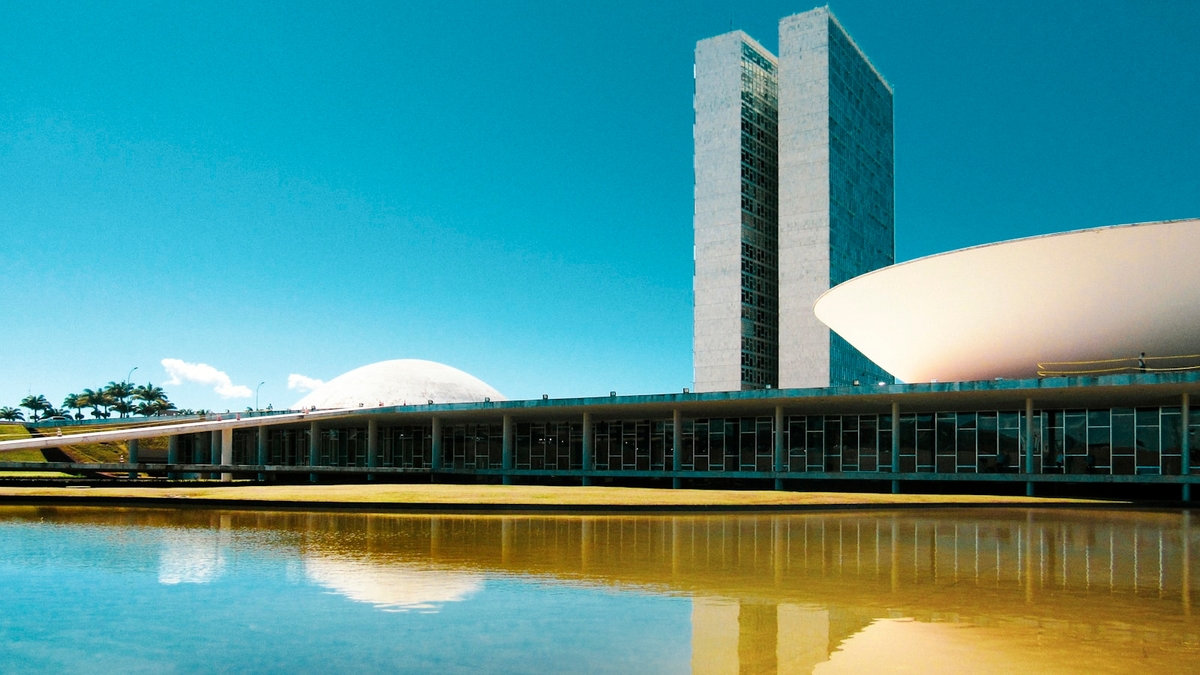
Photo by Ramon Buçard on Unsplash
Between Forest and Granary: Brazil Geopolitical Profile 2026
1. Executive Summary
Brazil is a federal presidential state of more than 205.3 million people and more than 8.5 million square kilometres, where Amazon protection, agribusiness, BRICS diplomacy, and urban security all sit on the same cabinet agenda. 出典: World Bank, Brazil overview and President of Brazil
Lula’s government speaks the language of climate diplomacy and social inclusion, but a fragmented Congress, a strong judiciary, military memory, and deep inequality keep cutting back what the executive can do. 出典: Brazilian National Congress, Supreme Federal Court, and January 8 attack on the Brazilian Congress, Planalto Palace and Supreme Federal Court
Do not read Brazil as if it were only a left-wing government.
Forest, grain, minerals, ports, urban violence, and the federal budget all interact, and they shape how Brasília handles the United States, China, and South America.
       flowchart LR
  A["Lula government"] --> B["Forest and climate"]
  A --> C["Agribusiness"]
  A --> D["Congress bargaining"]
  A --> E["U.S.-China balance"]
  D --> F["Budget and security"]
2. Historical and Institutional Frame
The current order sits on top of colonisation, empire, slavery, abolition in 1888, the republic in 1889, the 1964 military coup, the 1988 constitution, and the January 8, 2023 riot. 出典: Brazil and Lei Áurea
That memory left trust in the state and suspicion of the state at the same time.
       timeline
  title Brazilian political milestones
  1500 : Portuguese arrival
  1888 : Abolition
  1889 : Republic
  1964 : Military rule
  1988 : Constitution
  2023 : January 8 riot
Brazil’s political history is also a history of a strong state living with deep inequality.
Abolition did not mean a quick social reset.
Racial hierarchy, land concentration, urban peripheries, and the gap between the northeast and the southeast still bend the electoral map.
3. Political System and Power Balance
Brazil’s political system is built around a directly elected president, a bicameral National Congress, a Supreme Federal Court that acts as a constitutional court, and a federation split into states and a federal district. 出典: Brazilian National Congress, Supreme Federal Court, and Brazilian federal government
The president has agenda-setting power, but laws, budgets, appointments, and executive implementation all need some level of legislative and judicial consent.
By 2026, Lula’s government is negotiating with a legislature that has weak party discipline and has to face the farm bloc, religious conservatives, security hawks, and fiscal hardliners at the same time. 出典: President of Brazil and Politics of Brazil
The governing partner is not a single party, but a shifting mix of centrist lawmakers and state-level interests.
It is a shifting mix of centrist lawmakers and state-level interests.
The Supreme Federal Court is seen as the last line of defence for elections and democracy, but the more politics judicialises, the more conflicts move into the court.
After January 8, 2023, the military became more cautious about returning to the centre of politics. 出典: AP, January 8 attack on the Brazilian Congress, Planalto Palace and Supreme Federal Court and Brazilian military government
| Actor | Reading |
|---|---|
| Lula government | Leads climate, social policy, and foreign policy, but cannot move alone |
| National Congress | Filters budgets, tax reform, appointments, and security bills |
| Supreme Federal Court | Judicialises disputes over elections, speech, and democracy |
| State governments | Control policing, education, infrastructure, and local finances |
| Military | The memory of 1964-85 still shapes political instincts |
| Agribusiness bloc | Supports exports and jobs, but resists forest rules |
In Brazil, policy success is decided less by passing a bill than by getting it implemented quickly.
4. Amazon, Climate Diplomacy, Indigenous Rights, Agribusiness
The World Bank says about three quarters of Brazil’s greenhouse gas emissions come from land-use change and agriculture, and it warns that the Amazon is nearing an ecological tipping point. 出典: World Bank, Brazil overview
The same page sets a target of zero illegal deforestation by 2030.
That makes forest protection less a moral climate story than an industrial policy that shapes rainfall, farming, hydropower, the power grid, and foreign exchange earnings.
Indigenous land demarcation is a constitutional right, but in practice it slows under pressure from illegal logging, mining, land speculation, and agribusiness. 出典: World Bank, Brazil overview and Indigenous territories in Brazil
Brazil therefore lives with a direct clash between a state goal to protect the Amazon and a farm lobby that wants more grain and beef output.
       flowchart LR
  A["Forest protection"] --> B["Rainfall and power"]
  A --> C["Climate diplomacy"]
  D["Agricultural exports"] --> E["Foreign exchange and jobs"]
  D --> F["Land pressure"]
Brazil’s climate diplomacy does not end with a moral case for forests.
It is about state design for food, energy, land, exports, and Indigenous rights at the same time.
5. BRICS, the United States, China, and South American Integration
Brazil’s external relations move on several tracks at once: friction with the United States, interdependence with China, a multipolar tilt through BRICS, and regionalism through Mercosur and CELAC. 出典: Brazil–China relations, Brazil–United States relations, BRICS, and Mercosur
The 2025 trade and political dispute with the United States showed that, when Brazil tries to defend sovereignty and market access at the same time, Washington can use tariffs and legal issues as pressure points. 出典: 2025 Brazil–United States diplomatic dispute
China has been Brazil’s largest trading partner since 2009, and demand for grain, ore, energy, and infrastructure investment expands Brasília’s room for manoeuvre even as it raises concern about dependence on China. 出典: Brazil–China relations
For Brazil, BRICS is a space to preserve bargaining room, not a way to become subordinate to the United States or aligned with China.
But BRICS is not a substitute for Western capital markets, technology, or dollar settlement.
South American integration matters too, but Mercosur’s institutional strength is weaker than the political heat that crosses its borders.
       flowchart LR
  A["United States"] --> B["Tariffs and market access"]
  C["China"] --> D["Commodity demand"]
  E["BRICS"] --> F["Multipolar bargaining"]
  G["Mercosur"] --> H["Regional integration"]
Brazilian diplomacy is less about picking a camp than about adjusting distance so it can keep options open.
6. Security, Inequality, and Urban Politics
The core security issue is not foreign war but urban violence, organised crime, police violence, and prison overcrowding. 出典: Crime in Brazil
Security problems vary sharply by state, and the differences between São Paulo and the northeast, and between city centres and peripheries, localise electoral conflict.
The World Bank puts Brazil’s Human Capital Index at 55 percent, or 33 percent when unemployment is taken into account. 出典: World Bank, Brazil overview
The 2024 poverty rate fell to 20.9 percent at the $6.85-a-day line, but regional gaps and fiscal constraints remain. 出典: World Bank, Brazil overview
Brazil’s social problem is therefore less a shortage of growth than a shortage of distribution and state execution.
Citizen sentiment cannot be reduced to pro-Lula versus anti-Lula.
Evangelicals, Catholics, Black Brazilians, Indigenous communities, whites, the middle class, peripheral urban neighbourhoods, and rural areas all ask different things from the state.
7. What Brazil Means for Japan and East Asia
For Japan, Brazil matters as a partner on food, biofuels, minerals, aircraft, and decarbonisation investment.
Because both China demand and U.S. policy can move Brazil’s exports and tariffs, Japanese firms need to treat Brazil as a supply base where global commodity markets and geopolitics meet.
The Japanese-Brazilian community matters, but the practical diplomatic weight comes from Brazil’s role in G20 talks, BRICS, and climate negotiations across the Global South. 出典: Japan–Brazil relations, BRICS, and G20
Brazil is not a distant Latin American country for Japan.
It should be read as a junction of food security, resources, decarbonisation, and diplomatic norms.
8. Watchpoints
There are four watchpoints.
First, can Lula’s government keep forest protection and the agribusiness bloc together.
Second, how much will congressional bargaining slow tax policy, the budget, and security policy.
Third, will the 2026 election cycle pull the judiciary and the military closer into politics again.
Fourth, how far will pressure from the United States and China narrow Brazil’s room for autonomous diplomacy.
When you read Brazil, remember that Amazon and grain land, cities and the interior, and sovereignty and market access all sit on the same map.
References
森と穀倉のあいだで: ブラジル国際政治プロファイル 2026年版
1. エグゼクティブサマリー
ブラジルは、2億530万人、850万平方キロ超の連邦大統領制国家であり、アマゾン保護、農業輸出、BRICS外交、都市治安が同じ内閣の議題に載る国である。 出典: World Bank, Brazil overview と President of Brazil を参照した。
ルラ政権は気候外交と社会包摂を掲げるが、分断した議会、強い司法、軍の記憶、そして高い格差が、政策の速度と射程を毎回削る。 出典: Brazilian National Congress、Supreme Federal Court、January 8 attack on the Brazilian Congress, Planalto Palace and Supreme Federal Court を参照した。
ブラジルを「左派政権の国」とだけ見ると、実際の制約を見落とす。
実際には、森林、穀物、鉱物、港湾、都市暴力、連邦予算が互いに絡み、対米、対中、対南米の立ち回りを決めている。
       flowchart LR
  A["ルラ政権"] --> B["森林と気候"]
  A --> C["農業ロビー"]
  A --> D["議会交渉"]
  A --> E["対米・対中均衡"]
  D --> F["予算と治安"]
2. 歴史と制度の骨格
現在の体制は、植民地化、帝国、奴隷制、1888年の奴隷廃止、1889年の共和国、1964年の軍事クーデター、1988年憲法、2023年1月8日の暴動という層の上に立っている。 出典: Brazil と Lei Áurea を参照した。
この記憶は、国家に対する信頼と不信を同時に残した。
       timeline
  title ブラジル政治の節目
  1500 : ポルトガル到達
  1888 : 奴隷廃止
  1889 : 共和国成立
  1964 : 軍事政権開始
  1988 : 憲法制定
  2023 : 1月8日の暴動
ブラジルの政治史は、強い国家と深い不平等が同居してきた歴史でもある。
奴隷制の廃止は早い近代化を意味しなかった。
人種階層、土地集中、都市周縁、そして北東部と南東部の差は、いまも選挙の地図を歪める。
3. 現在の政治体制と権力配置
ブラジルの政治制度は、直接選挙の大統領、二院制の国民会議、憲法裁判所として機能する連邦最高裁、そして州と連邦区に分かれた連邦制でできている。 出典: Brazilian National Congress、Supreme Federal Court、Brazilian federal government を参照した。
大統領は議題設定力を持つが、法律、予算、人事、命令の実装には議会と司法の合意が要る。
2026年時点のルラ政権は、政党規律の弱い議会と交渉しながら、農業、宗教、治安、財政の各ブロックに同時に向き合っている。 出典: President of Brazil と Politics of Brazil を参照した。
連立の相手は一つの政党ではなく、中央派の議員群と州レベルの利害の寄せ集めである。
最高裁は選挙と民主主義を守る最後の砦として見られる一方、司法化が進むほど政治対立は裁判所へ移る。
軍は2023年1月8日以後、政治の表舞台に戻ることへの警戒を強めた。 出典: AP, January 8 attack on the Brazilian Congress, Planalto Palace and Supreme Federal Court と Brazilian military government を参照した。
| アクター | 読み方 |
|---|---|
| ルラ政権 | 気候、社会政策、外交の主導権を握るが、単独では進めない |
| 国民会議 | 予算、税制、人事、治安法案の関門になる |
| 連邦最高裁 | 選挙、表現、民主主義の争点を裁判化する |
| 州政府 | 警察、教育、インフラ、地方財政の実装を握る |
| 軍 | 1964年から1985年までの記憶がいまも政治感覚に影を落とす |
| 農業ロビー | 輸出と雇用を支える一方で森林規制に抵抗する |
ブラジルでは、政策の成否は法案通過より実装速度で決まる。
4. アマゾン、気候外交、先住民権利、農業輸出
世界銀行は、ブラジルの温室効果ガス排出の4分の3が土地利用変化と農業に由来すると説明し、アマゾンは生態学的転換点に近づいていると警告する。 出典: World Bank, Brazil overview を参照した。
同じページは、違法森林破壊を2030年までにゼロにする目標を挙げている。
このため、森林保護は環境政策ではなく、雨量、農業、水力発電、電力系統、外貨獲得をまとめて左右する産業政策になった。
先住民の土地区画指定は憲法上の権利だが、実務では違法伐採、鉱山、土地投機、農牧業の圧力で遅れやすい。 出典: World Bank, Brazil overview と Indigenous territories in Brazil を参照した。
ブラジルでは、アマゾンを守る国家目的と、穀物と牛肉を増やしたい農業ロビーの目的が衝突する。
       flowchart LR
  A["森林保護"] --> B["雨量と電力"]
  A --> C["国際気候交渉"]
  D["農業輸出"] --> E["外貨と雇用"]
  D --> F["土地圧力"]
ブラジルの気候外交は、道徳的な森林保護の話では終わらない。
それは、食料、エネルギー、土地、輸出、先住民権利を同時に扱う国家設計の話である。
5. BRICS、対米・対中関係、南米統合
対外関係では、米国との摩擦、中国との相互依存、BRICSでの多極志向、MercosurとCELACでの地域主義が同時に動く。 出典: Brazil–China relations、Brazil–United States diplomatic relations、BRICS、Mercosur を参照した。
2025年の米国との通商・政治対立は、ブラジルが主権と市場アクセスを同時に守ろうとすると、ワシントンが関税と司法問題を結びつけて圧力をかけうることを示した。 出典: 2025 Brazil–United States diplomatic dispute を参照した。
中国は2009年以来ブラジルの最大貿易相手であり、穀物、鉱石、エネルギー、インフラ投資の需要がブラジルの外交余地を広げる一方で、対中依存への警戒も生む。 出典: Brazil–China relations を参照した。
BRICSはブラジルにとって、米国への従属でも中国への同調でもない、交渉余地を残すための場である。
ただし、BRICSは西側資本市場、技術、ドル決済の代替にはならない。
南米統合も重要だが、Mercosurの制度力は国境を越える政治の熱量より弱い。
       flowchart LR
  A["米国"] --> B["関税と市場"]
  C["中国"] --> D["資源需要"]
  E["BRICS"] --> F["多極交渉"]
  G["Mercosur"] --> H["地域統合"]
ブラジル外交の本質は、陣営選択ではなく、選択肢を残すための距離感の調整にある。
6. 治安、格差、都市問題
安全保障の中心は、対外戦争ではなく都市暴力、組織犯罪、警察暴力、刑務所の過密である。 出典: Crime in Brazil を参照した。
ブラジルの治安は州ごとの差が大きく、サンパウロと北東部、都市中心部と周縁の違いが、選挙の争点をそのまま地域化する。
世界銀行は、ブラジルの人間開発係数を55%とし、失業を考慮すると33%に下がると示す。 出典: World Bank, Brazil overview を参照した。
2024年の貧困率は6.85ドル/日基準で20.9%まで下がったが、地域格差と財政制約はなお残る。 出典: World Bank, Brazil overview を参照した。
ブラジルの社会問題は成長の不足というより、成長の分配と国家実装の不足にある。
市民感情は、親ルラ対反ルラの二分法だけでは読めない。
福音派、カトリック、黒人、先住民、白人、中間層、都市周縁、農村のあいだで、国家に求めるものは違う。
7. 日本と東アジアへの含意
日本から見ると、ブラジルは食料、バイオ燃料、鉱物、航空機、脱炭素投資の相手国である。
中国需要と米国政策の両方がブラジルの輸出と関税を揺らすため、日本企業はブラジルを単独市場ではなく、世界商品市況と地政学が交差する供給拠点として扱う必要がある。
日系社会の存在も重要だが、外交の実務で効くのは、ブラジルがG20、BRICS、気候交渉で南半球の交渉軸を動かすことである。 出典: Japan-Brazil relations、BRICS、G20 を参照した。
ブラジルは、日本にとって遠い中南米の一国ではない。
食料安全保障、資源、脱炭素、外交標準の交差点として読む必要がある。
8. 注視点
今後の注視点は四つある。
第一に、ルラ政権が森林保護と農業ロビーを同時に維持できるか。
第二に、議会交渉が税制、予算、治安政策をどこまで遅らせるか。
第三に、2026年の選挙サイクルが、司法と軍の距離を再び詰めるか。
第四に、米中の圧力がブラジルの自主外交をどこまで狭めるか。
この国を読むときは、アマゾンと穀倉地帯、都市と内陸、主権と市場が同じ地図に重なっていることを忘れない方がよい。