Published
-
India Geopolitical Profile 2026
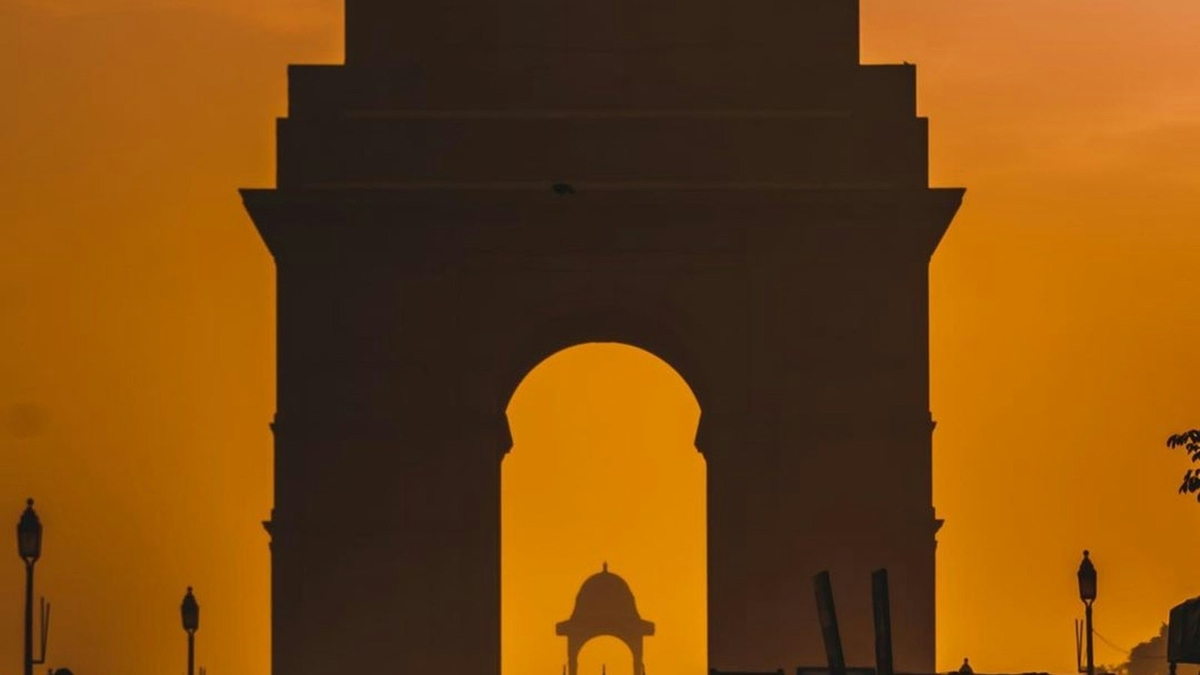
Photo by Pramod Tiwari on Unsplash
India Geopolitical Profile 2026
1. Executive Summary
India combines population scale, a growing economy, nuclear deterrence, Indian Ocean geography, and Global South diplomacy. India news needs one map that includes security cooperation with the United States, defense and energy ties with Russia, border management with China, and India’s claim to speak for developing countries. 出典: IMF India country page, The Wilmington Declaration, and India-Russia 23rd Annual Summit joint statement.
In the 2024 general election, the BJP lost its single-party majority and kept power through the NDA coalition. This did not erase Prime Minister Narendra Modi’s authority, but it brought state parties, coalition partners, and local interests back into national politics. 出典: Election Commission of India, General Elections and Results of the 2024 Indian general election show 293 seats for the NDA and 240 seats for the BJP.
       flowchart LR
  A["Central government"] --> B["Growth strategy"]
  A --> C["Security policy"]
  C --> D["China and Pakistan"]
  B --> E["Jobs and infrastructure"]
  A --> F["Coalition bargaining"]
2. History and Political System
Modern Indian politics rests on independence and partition in 1947, the 1962 war with China, the 1971 war with Pakistan, the 1991 liberalization, long BJP rule after 2014, and coalition rule after 2024. India is a parliamentary republic, and federalism gives state politics real leverage over national choices.
       timeline
  title Turning points in Indian politics
  1947 : Independence partition
  1962 : War with China
  1971 : Bangladesh war
  1991 : Liberalization
  2014 : Modi government
  2024 : Coalition rule
The BJP linked Hindu nationalism with a growth-state narrative. It offers global status and infrastructure to urban middle classes, welfare and religious mobilization to rural voters, and a large market under state-led investment to firms. Pressure on minorities, media, and NGOs has weakened international democracy assessments. Freedom House rated India Partly Free in 2026 and highlighted pressure on expression, religion, and critics. 出典: Freedom House, India: Freedom in the World 2026
3. Security Triangle
India’s security politics turns on China, Pakistan, and the Indian Ocean. Along the China border, militarization and negotiation have moved together since the 2020 Galwan clash. The Indian government said in October 2024 that India and China reached patrolling arrangements along the Line of Actual Control, including Depsang and Demchok, but the border dispute remains. 出典: Ministry of External Affairs, Rajya Sabha answer on recent border agreements with China
With Pakistan, Kashmir, cross-border terrorism, and nuclear deterrence remain the core issues. Crises may stay short, but domestic politics narrows space for restraint. SIPRI’s 2025 yearbook release warned of rising nuclear risks and noted that India-Pakistan tensions briefly spilled into armed conflict. 出典: SIPRI, Nuclear risks grow as new arms race looms
4. Quad, Russia, and the Global South
India uses the Quad as a framework for China balancing, maritime security, technology, and infrastructure cooperation. The 2024 Wilmington Declaration emphasized health security, infrastructure, connectivity, maritime security, and digital public infrastructure. 出典: The Wilmington Declaration and Japan MOFA, Quad Leaders’ Meeting
India also preserves its Russia relationship. Russia remains relevant for defense equipment, energy, UN diplomacy, and BRICS. The 2025 India-Russia joint statement reaffirmed the Special and Privileged Strategic Partnership. 出典: Ministry of External Affairs, Joint Statement following the 23rd India-Russia Annual Summit
This duality gives India bargaining room. India does not place itself as a U.S. ally, a Chinese dependent, or a Russian satellite. It uses multiple great-power relationships to widen industrial, security, and diplomatic options.
5. Economy, Population, and Civil Society
India’s economy gives weight to its foreign policy. The IMF projects 6.5% real GDP growth in 2026, and the World Bank reports 6.5% growth in FY24-25. 出典: IMF India country page and World Bank Group, India
Population scale is an advantage, but it does not deliver a dividend by itself. A young country needs education, jobs, urban infrastructure, courts, and security. Without them, demography can also produce frustration. India should be read through state-level employment, religious conflict, language, caste, and urban-rural differences, not GDP alone.
6. Reading India from Japan and East Asia
For Japan, India is both a partner for China balancing and a bargaining counterpart that will not fully accept a U.S.-led hierarchy. Cooperation has room to grow in Indian Ocean sea lanes, digital talent, supply chains, infrastructure, and international institution reform. Friction remains over Russia sanctions, democracy, rights, migration, and religious minority issues.
Three questions make India news easier to read. Can the coalition government still deliver domestic reform? Can crisis management hold on the China and Pakistan fronts? How does India use the Quad, BRICS, and Russia ties at the same time? Those questions connect India as a growth market with India as an autonomous great power.
インドの国際政治プロファイル 2026年版
1. エグゼクティブサマリー
インドは、人口規模、成長経済、核抑止、インド洋の地理、グローバルサウス外交を同時に持つ。ニュースを読むときは、米国との安全保障協力、ロシアとの防衛・エネルギー関係、中国との国境管理、途上国代表としての発言力を同じ地図に置く必要がある。 出典: IMF India country page、The Wilmington Declaration、India-Russia 23rd Annual Summit joint statement を参照した。
2024年総選挙で、BJPは単独過半数を失い、NDA連立で政権を維持した。これはモディ首相の権威消失ではなく、州政党、連立相手、地方利害が中央政治へ戻ったことを意味する。 出典: Election Commission of India, General Elections、Results of the 2024 Indian general election は、NDA 293議席、BJP 240議席という結果を示す。
       flowchart LR
  A["中央政権"] --> B["成長戦略"]
  A --> C["安全保障"]
  C --> D["中国・パキスタン"]
  B --> E["雇用・インフラ"]
  A --> F["連立調整"]
2. 歴史と政治体制
現代インド政治の記憶は、1947年の独立と分割、1962年の対中戦争、1971年の対パキスタン戦争、1991年の経済自由化、2014年以降のBJP長期政権、2024年の連立化で組み立てられている。国家は議会制共和国で、連邦制と州政治が中央政治を制約する。
       timeline
  title インド政治の節目
  1947 : 独立と分割
  1962 : 対中戦争
  1971 : バングラデシュ独立戦争
  1991 : 経済自由化
  2014 : モディ政権
  2024 : 連立政権化
BJPはヒンドゥー・ナショナリズムと成長国家の物語を結びつけた。都市中間層には国際的地位とインフラを、地方部には福祉、補助金、宗教的動員を、企業には市場規模と国家主導投資を提示する。一方で、少数派、報道機関、NGOへの圧力は国際的な民主主義評価を下げている。Freedom Houseは2026年版でインドを Partly Free とし、表現、宗教、批判者への圧力を問題にしている。 出典: Freedom House, India: Freedom in the World 2026
3. 安全保障の三角形
インドの安全保障は、中国、パキスタン、インド洋の三角形で動く。中国との国境では2020年のガルワン衝突以後、軍事化と交渉が並行した。インド政府は2024年10月、デプサンとデムチョクを含む実効支配線沿いで巡回取り決めに合意したと説明したが、国境問題は残っている。 出典: Ministry of External Affairs, Rajya Sabha answer on recent border agreements with China
パキスタンとの関係では、カシミール、越境テロ、核抑止が基本線である。軍事危機は短期化しても、国内政治が強硬姿勢を求めるため、危機管理の余地は狭い。SIPRIは2025年版で核リスクの増大を指摘し、インドとパキスタンの緊張が一時的に武力衝突へ広がったことにも触れている。 出典: SIPRI, Nuclear risks grow as new arms race looms
4. クアッド、ロシア、グローバルサウス
インドはクアッドを、対中均衡、海洋安全保障、技術・インフラ協力の枠組みとして使う。2024年のWilmington Declarationは、保健安全保障、インフラ、連結性、海洋安全保障、デジタル公共インフラを掲げた。 出典: The Wilmington Declaration、Japan MOFA, Quad Leaders’ Meeting
同時に、インドはロシア関係を維持する。ロシアは、防衛装備、エネルギー、国連外交、BRICSでなお重要である。2025年の印露共同声明は、両国の Special and Privileged Strategic Partnership を再確認した。 出典: Ministry of External Affairs, Joint Statement following the 23rd India-Russia Annual Summit
この二重性は、交渉余地を広げるための設計である。インドは米国の同盟国、中国への従属国、ロシアの衛星国のどれにも自らを置かない。複数の大国関係を使い、産業、安全保障、外交の選択肢を広げる。
5. 経済、人口、市民社会
インド経済は大国政治の基盤である。IMFは2026年の実質GDP成長率を6.5%と見込み、World BankはFY24-25の成長率を6.5%と整理している。 出典: IMF India country page、World Bank Group, India
人口規模は強みだが、自動的な配当ではない。若い国には教育、雇用、都市インフラ、司法、治安が必要であり、これらが不足すると人口構成は不満の源泉にもなる。インドを読むときは、GDPだけでなく、州別雇用、宗教対立、言語、カースト、都市と農村の差を合わせて見る必要がある。
6. 日本と東アジアからの読み方
日本にとってインドは、中国抑止の相手であると同時に、米国主導秩序へ全面的には乗らない交渉相手である。インド洋シーレーン、デジタル人材、サプライチェーン、インフラ、国際機関改革では協力の余地が大きい。ロシア制裁、民主主義、人権、移民、宗教的少数派をめぐって摩擦も残る。
インド関連記事では、三つの問いを置くと読みやすい。連立政権は国内改革を進められるか。中国・パキスタン正面で危機管理を保てるか。インドはクアッド、BRICS、ロシア関係を同時にどう使うか。この三点が、成長市場としてのインドと自律的大国としてのインドをつなぐ。