Published
-
Historical Formation and Current Fault Lines of Major Middle Eastern Countries
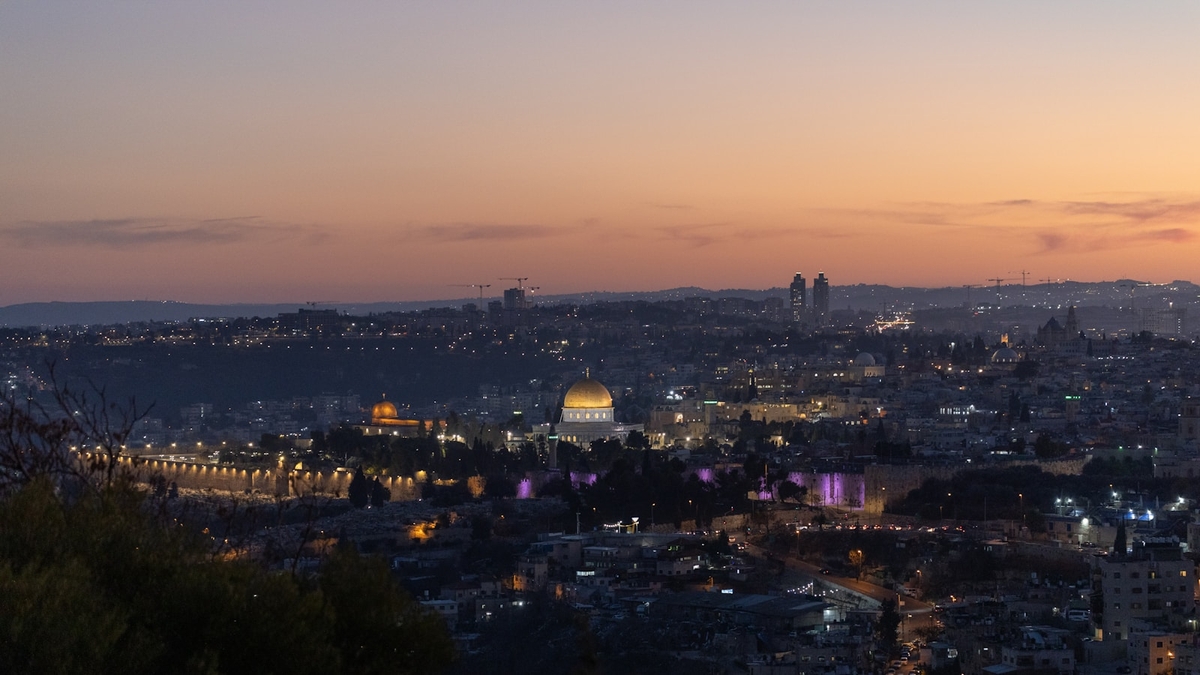
Photo by amr Sandouka on Unsplash
Historical Formation and Current Fault Lines of Major Middle Eastern Countries
1. Executive Summary
The present-day Middle East cannot be explained by sectarian conflict alone. The collapse of the Ottoman Empire, the French and British mandates, wars of state formation, oil rents, revolutions, civil wars, refugees, and renewed authoritarianism have produced very different political orders from country to country. The main questions today are not simply religious identity, but whether each state can monopolize force, distribute resources, and absorb demographic pressure and labor-market stress. 出典: Freedom House, Freedom in the World 2026, World Bank, MENAAP Economic Update 2026, IMF, Regional Economic Outlook for the Middle East and Central Asia 2026 support this reading.
Across the region, Iran is a revolutionary republic, Iraq is a politics-of-distribution state with militia influence, Syria is in post-war transition, Lebanon is a confessional system with a weak state, Israel-Palestine is defined by asymmetrical sovereignty, Saudi Arabia and the Gulf states are resource monarchies, and Turkey and Egypt are authoritarian systems that still preserve elections. The right comparison is therefore not “sectarian versus secular,” but state formation, coercive capacity, resource dependence, and the ability to absorb generational frustration. 出典: Freedom House country scores, Britannica, Middle East country histories support this comparison.
For Japan, the region is one connected risk space. The region is a single risk space for the Strait of Hormuz, the Red Sea, the Suez Canal, LNG, crude oil, marine insurance, sanctions compliance, refugees, and reconstruction deals. If the country-level differences are ignored, decisions on energy, supply chains, security, and foreign investment are likely to be misread. 出典: World Bank, MENAAP Economic Update 2026, IMF, Regional Economic Outlook for the Middle East and Central Asia 2026, OCHA, Gaza updates support this point.
       timeline
    title Major turning points in Middle Eastern state formation
    1916 : Ottoman collapse and mandates
    1948 : Israel's founding and Palestinian displacement
    1952 : The Egyptian revolution and military rule
    1979 : The Iranian Revolution and revolutionary rule
    2011 : The Arab Spring and institutional fragmentation
    2024 : Syria's regime collapse and regional realignment
2. Analytical Lens
Historically, the region sat on the margins of empires. In the late Ottoman period, self-determination and great-power intervention overlapped, and after World War I the mandates of Britain and France fixed borders and institutions. Many of the later states were not built first as liberal democracies; they were built around armies, royal houses, religious authorities, or security services. 出典: Britannica, Iraq, Britannica, Syria, Britannica, Lebanon, Britannica, Egypt, Britannica, Turkey support this historical framing.
The key point is that sectarian conflict is only one layer. Urban-rural divides, center-periphery tensions, tribes versus the state, old elites versus new generations, citizens versus migrant labor, and domestic elites versus foreign patrons all sit beneath the sectarian label. If Lebanon and Iraq are read only through sectarianism, corruption, unemployment, and the externalization of state functions disappear from view. If the Gulf states are read only through wealth, the narrowness of citizenship and dependence on migrant labor disappear from view. 出典: Arab Opinion Index 2025, Freedom House, Middle East and North Africa 2026, World Bank, GCC economies update support this interpretation.
The region is easier to compare through four axes.
- State formation
- Regime structure
- Social cleavages
- External dependence
State formation differs by revolution, independence war, mandate rule, military coup, anti-colonial independence, and federation. Regime structure differs by monarchy, revolutionary republic, military rule, electoral authoritarianism, and fragile power-sharing. Social cleavages appear as sect, ethnicity, class, region, generation, and the political status of refugees and migrant workers. External dependence appears in oil and gas, aid, remittances, security guarantees, shipping lanes, and sanctions evasion. 出典: IMF, Regional Economic Outlook for the Middle East and Central Asia 2026, World Bank, MENAAP Economic Update 2026, Freedom House country reports support this framework.
3. Comparative Table
| Country or area | Core historical formation | Current political order | Main social problem | Reading of public mood |
|---|---|---|---|---|
| Iran | The 1979 Revolution replaced monarchy and institutionalized clerical rule | Revolutionary republic with Supreme Leader dominance | Sanctions, inflation, water and power shortages, repression | Fatigue with repression and economic decline, with narrow reform channels |
| Iraq | Ottoman rule and the British mandate, then reconstruction after 2003 | Electoral system with strong corruption and militia influence | Public services, jobs, corruption, oil dependence | Demand for services and deep distrust of elites |
| Syria | French mandate, Ba’ath rule, civil war, and post-2024 transition | Transitional politics and fragmented armed space | Reconstruction, displaced people, electricity, water, legitimacy | Survival-first society, exhaustion, and return anxiety |
| Lebanon | Ottoman legacy, French mandate, and confessional independence | Confessional politics and a weak state, with Hezbollah influence | Financial collapse, administrative paralysis, youth emigration | Anger at elites mixed with resignation |
| Israel-Palestine | 1948 statehood war, 1967 occupation, Gaza blockade and war | Israel is democratic; the Palestinian side faces asymmetrical sovereignty | Security, occupation, statehood, humanitarian crisis | Polarization in Israel and despair on the Palestinian side |
| Saudi Arabia | Unified in 1932 and built a fiscal state on oil | Absolute monarchy with Vision 2030 reform | Jobs, housing, control, oil dependence | Demand for security and opportunity, with limited political space |
| Turkey | The Ottoman successor state became a republic in 1923 | Increasingly authoritarian electoral system | Inflation, judicial politicization, refugees, Kurdish issue | Economic frustration, nationalism, and reform fatigue |
| Egypt | The 1952 revolution created a military-led republic | Classic state-led authoritarianism | Debt, prices, subsidies, demographic pressure | A stability-seeking public under rising cost-of-living pressure |
| Gulf states | Protectorates and small emirates later became resource states | Monarchies, emirates, and federation | Migrant labor, diversification, water, climate, youth jobs | Transactional loyalty and narrow political participation |
In one sentence each, Iran was transformed by the 1979 Revolution, which replaced monarchy and institutionalized clerical rule. Iraq combines Ottoman rule, the British mandate, and post-2003 reconstruction into a politics of distribution. Syria now combines mandate history, Ba’ath rule, civil war, and post-2024 transition. Lebanon’s confessional independence created pluralism, but it also weakened the state. Israel-Palestine is defined by the asymmetry of sovereignty rather than a symmetric state-to-state rivalry. Saudi Arabia and the Gulf states became resource monarchies after unification or independence. Turkey and Egypt are authoritarian systems that still keep elections, but their social pressures are different.
出典: The table synthesizes Freedom House country scores, Britannica country histories, World Bank, West Bank and Gaza overview, and OCHA, Gaza updates. The “reading of public mood” is an inference from public data and reporting, not a full measurement of sentiment.4. Country-by-Country Reading
4.1 Iran
Iran is a case where the current order was shaped less by colonial rule than by the overthrow of monarchy and the creation of a revolutionary state. The Supreme Leader, the Guardian Council, and the Islamic Revolutionary Guard Corps control the entry and exit points of power, so elections exist but competition is tightly bounded. The current issues are sanctions, currency weakness, inflation, water shortages, power outages, and generational frustration. The core problem is not sectarian conflict alone, but the erosion of state capacity and everyday security. 出典: Freedom House, Iran 2026, World Bank, Iran overview, IAEA Iran focus page support this reading.
4.2 Iraq
Iraq has carried ethnic, sectarian, and regional fractures since its early state formation, and after 2003 it became a system held together by electoral politics, party networks, militias, and external patrons. The key issue is not a simple Sunni-Shia binary, but how oil revenue is allocated, how Baghdad relates to the provinces, and how militias become institutionalized. Public demand is aimed more at services and jobs than at ideology. 出典: Freedom House, Iraq 2025, World Bank, Iraq overview support this reading.
4.3 Syria
Syria now combines the legacy of the French mandate, Ba’ath rule, a long civil war, mass displacement, and the post-2024 collapse of the old regime. The main issue is no longer just factional competition, but whether the state can be reconstructed at all: security, administration, refugee return, and the balance among external patrons all come first. Sect and ethnicity matter, but the deeper question is institutional survival. 出典: Freedom House, Syria 2026, Britannica, Syria, World Bank, Syria overview support this reading.
4.4 Lebanon
Lebanon tried to protect pluralism by institutionalizing confessional power-sharing, but that arrangement also multiplied veto points and made the state weak. The 2019 financial collapse, the slow recovery after the port explosion, political paralysis, and the conflict between Hezbollah and Israel exposed how fragile communal politics had become. Public mood mixes anger at elites with resignation and a desire to leave. 出典: Freedom House, Lebanon 2025, World Bank, Lebanon overview support this reading.
4.5 Israel-Palestine
Israel-Palestine is not a symmetric state-to-state rivalry. Israel has elections, while the Palestinian side in Gaza and the West Bank faces occupation, blockade, fragmentation, and the effects of war. The 2025-2026 Gaza ceasefire and humanitarian response do not mean the war is over. They show instead that hostages, refugees, governance, reconstruction, and statehood remain tied together as one unresolved bundle. 出典: Freedom House, Israel 2025, Freedom House, West Bank 2025, Freedom House, Gaza Strip 2025, OCHA, Gaza updates support this reading.
4.6 Saudi Arabia
Saudi Arabia was unified through tribal coalitions and religious authority, and then built its social contract on oil. Today Vision 2030 is pushing diversification and social opening, but political participation is still narrow and reform is delivered from above. Public sentiment is generally shaped by expectations for jobs and future opportunity, while the channels for open political contestation remain limited. 出典: Freedom House, Saudi Arabia 2025, World Bank, GCC economies update support this reading.
4.7 The Gulf States
The Gulf states should not be treated as a single bloc, but the UAE, Qatar, Kuwait, Bahrain, and Oman do share important features. Each combines resource income, foreign labor, monarchy or emirate rule, limited electoral participation, and dependence on external security guarantees. Domestic frustration often comes less from absolute wealth than from citizenship boundaries, labor-market dualism, climate and water stress, and rising expectations among younger citizens. 出典: Freedom House, UAE 2025, Freedom House, Qatar 2025, Freedom House, Kuwait 2025, Freedom House, Bahrain 2025, Freedom House, Oman 2025, World Bank, GCC economies update support this reading.
4.8 Turkey
Turkey is a successor state to the Ottoman Empire, but its republican legacy has been increasingly centralized. It still holds elections, yet power concentration has deepened. The main problems are inflation, judicial politicization, pressure on the opposition, the Kurdish issue, refugee politics, and the divide between cities and the rest of the country. Public mood is more shaped by economic frustration and distrust than by reform optimism. 出典: Freedom House, Turkey 2025, Britannica, Turkey, IMF, Turkey Article IV support this reading.
4.9 Egypt
Egypt became a military-led republic after the 1952 Revolution and remains a major regional state because of its population and geography. Yet population growth, debt, subsidies, currency pressure, water stress, and proximity to Gaza and the Suez Canal keep shrinking policy room. Public sentiment tends to prioritize prices and jobs over political reform, but the system offers only limited ways to absorb that pressure. 出典: Freedom House, Egypt 2025, Britannica, Egypt, IMF, Egypt Article IV support this reading.
5. Regional Relationship Map
       flowchart LR
  Iran["Iran axis"]
  Levant["Levant crisis belt"]
  IsraelPal["Israel-Palestine"]
  Gulf["Gulf resource states"]
  Egypt["Egypt"]
  Turkey["Turkey"]

  Iran --> Levant
  Iran --> Gulf
  IsraelPal --> Egypt
  IsraelPal --> Levant
  Gulf --> Egypt
  Turkey --> Levant
  Turkey --> Gulf
This is not a military alliance chart. It is a map of spillovers: conflict, money, displacement, shipping, mediation, and sanctions. Iran projects pressure through proxies into the Levant, Israel-Palestine remains the emotional center of the region, the Gulf supplies capital and energy, Egypt is the hinge between Gaza and the Suez route, and Turkey connects refugee flows with security and economic pressure. 出典: World Bank, MENAAP Economic Update 2026, IMF, Regional Economic Outlook for the Middle East and Central Asia 2026, OCHA, Gaza updates, Freedom House country reports support this map.
6. Risk Clusters for Japan
For Japanese policymakers and companies, the important variable is not sect or ideology, but which country exports which risk to the outside world. Iran exports sanctions and shipping risk, Israel-Palestine exports humanitarian shock and regional mobilization, the Levant exports reconstruction and refugee pressure, the Gulf exports energy and investment, and Turkey and Egypt export currency and demographic stress. Contracts, insurance, logistics, and sanctions screening should therefore start from country-level institutional differences. 出典: IMF, Regional Economic Outlook for the Middle East and Central Asia 2026, World Bank, MENAAP Economic Update 2026, OCHA, Gaza updates support this point.
In practice, four separate signals should be monitored.
- Shipping risks in the Strait of Hormuz, the Red Sea, and the Suez Canal
- Compliance risks that cut across sanctions and re-export networks
- Refugees, internally displaced persons, and reconstruction demand
- Youth unemployment, inflation, subsidies, and public services
These are not isolated national problems. They are the outward leakage of regional institutional fatigue. 出典: World Bank, West Bank and Gaza overview, World Bank, Lebanon overview, World Bank, Iraq overview, World Bank, Iran overview support this interpretation.
7. Limits and Outlook
This report has three limits. First, the Middle East varies so much by country that regional averages can mislead operational decisions. Second, public information shows only the visible layer of institutions; internal security decisions, informal finance, proxy forces, and religious authority are only partly observable. Third, high-volatility arenas such as Syria and Gaza can change their premises within months. 出典: Freedom House, Syria 2026, OCHA, Gaza updates, World Bank, MENAAP Economic Update 2026 support this caution.
This is therefore not a fixed ranking table. What matters is how each country loses legitimacy, reallocates resources, and exports crisis to its neighbors. Reading the Middle East through state formation and political economy, rather than sect alone, is the most practical way to use the comparison. 出典: Arab Opinion Index 2025, IMF, Regional Economic Outlook for the Middle East and Central Asia 2026 support this conclusion.
References
- Freedom House, Freedom in the World 2026
- Freedom House, country scores
- World Bank, MENAAP Economic Update 2026
- World Bank, GCC economies update
- World Bank, Iraq overview
- World Bank, Iran overview
- World Bank, Lebanon overview
- World Bank, West Bank and Gaza overview
- IMF, Regional Economic Outlook for the Middle East and Central Asia 2026
- IMF, Egypt Article IV
- IMF, Turkey Article IV
- OCHA, Gaza updates
- Arab Opinion Index 2025
- Britannica, Middle East country histories
中東主要国の形成史と現在の争点
1. エグゼクティブサマリー
中東の現在を宗派対立だけで説明すると、ほぼ必ず見落としが出る。実際には、オスマン帝国の崩壊、英仏委任統治、建国戦争、石油収入、革命、内戦、難民、権威主義の再強化が重なって、国ごとにまったく違う国家のかたちができた。現在の争点も、単なる「イスラム世界の一枚岩」ではなく、国家が暴力を独占できるか、資源を配分できるか、人口動態と雇用を吸収できるか、という問題に分解できる。 出典: Freedom House, Freedom in the World 2026、World Bank, MENAAP Economic Update 2026、IMF, Regional Economic Outlook for the Middle East and Central Asia 2026 に基づく。
同じ中東でも、イランは革命後体制、イラクは配分政治と民兵政治、シリアは内戦後の再編、レバノンは分権化しすぎた共同体政治、イスラエル・パレスチナは主権の非対称性、サウジアラビアと湾岸諸国は資源国家、トルコとエジプトは選挙を残した権威主義という具合に、制度の骨格が違う。したがって、比較の軸は「宗派か世俗か」だけではなく、国家形成の経路、暴力装置の分散度、資源の依存先、世代間の不満の吸収力で見るべきである。 出典: Freedom House 各国報告、Britannica, Middle East country histories に基づく。
日本から見ると、この地域は一つのリスク空間である。ホルムズ海峡、紅海、スエズ運河、LNG、原油、海運保険、制裁遵守、難民、復興案件は相互に結びついている。中東の国別差を理解せずに地域全体を一括りにすると、エネルギー、サプライチェーン、安全保障、対外投資の判断を誤りやすい。 出典: World Bank, MENAAP Economic Update 2026、IMF, Regional Economic Outlook for the Middle East and Central Asia 2026、OCHA, Gaza humanitarian updates に基づく。
       timeline
    title 中東国家形成の主要転換点
    1916 : オスマン帝国の解体と委任統治
    1948 : イスラエル建国とパレスチナ難民化
    1952 : エジプト革命と軍主導国家
    1979 : イラン革命と革命国家化
    2011 : アラブの春と国家機能の再分解
    2024 : シリア政権崩壊と地域秩序の再編
2. 比較の見取り図
この地域は、歴史的には帝国の辺境だった。オスマン帝国の末期に民族自決と列強の干渉が重なり、第一次世界大戦後は英仏の委任統治と国境線の固定が進んだ。その後の独立国家は、議会制民主主義として育ったものより、軍、王家、宗教権威、治安機構のいずれかを核にして立ち上がったものが多い。 出典: Britannica, Iraq、Britannica, Syria、Britannica, Lebanon、Britannica, Egypt、Britannica, Turkey に基づく。
ここで重要なのは、宗派対立は原因の一部にすぎないことだ。現実には、都市と地方、中心と周辺、部族と国家、旧支配層と新興世代、国民と移民労働者、国内エリートと外部スポンサーの関係が、宗派ラベルの下に重なっている。だから、レバノンやイラクを宗派だけで読むと、腐敗、雇用不足、国家機能の外部化を見失うし、湾岸諸国を富だけで読むと、市民権の狭さと移民労働への依存を見失う。 出典: Arab Opinion Index 2025、Freedom House, Middle East and North Africa 2026、World Bank, GCC economies update に基づく。
中東を理解するうえで有効なのは、次の4軸である。
- 国家形成の経路
- 体制の骨格
- 社会の亀裂
- 外部依存
国家形成の経路は、革命、建国戦争、委任統治、軍事クーデタ、植民地からの独立、連邦形成に分かれる。体制の骨格は、君主制、革命共和国、軍政、選挙を残した権威主義、脆弱な権力分有に分かれる。社会の亀裂は、宗派、民族、階級、地域、世代、難民・移民の位置づけとして現れる。外部依存は、石油・ガス、援助、送金、軍事保証、海上輸送、制裁回避に表れる。 出典: IMF, Regional Economic Outlook for the Middle East and Central Asia 2026、World Bank, MENAAP Economic Update 2026、Freedom House country reports に基づく。
3. 国別比較表
| 国・地域 | 形成史の要点 | 現在の政治秩序 | 主要な社会問題 | 市民感情の読み |
|---|---|---|---|---|
| イラン | 1979年革命で王制を倒し、法学者統治を制度化 | 最高指導者優位の革命共和国 | 制裁、インフレ、水・電力不足、抑圧 | 抑圧と生活悪化への疲弊、改革回路の狭さ |
| イラク | オスマン帝国領と英委任統治を経て、2003年以降に再建 | 選挙制だが腐敗と民兵が強い国家 | 公共サービス、雇用、汚職、油依存 | サービス要求と政治不信 |
| シリア | フランス委任統治、バアス体制、内戦を経て再編段階 | 2024年以降の移行政治と断片化した武装環境 | 復興、避難民、電力、水、正統性 | 生存優先、疲弊、帰還不安 |
| レバノン | オスマン帝国後にフランス委任統治、宗派分有で独立 | 共同体政治と弱い国家、ヒズボラの影響 | 金融崩壊、行政麻痺、若年流出 | 反エリート感情と諦念の混在 |
| イスラエル・パレスチナ | 1948年建国戦争、1967年占領、ガザ封鎖と戦争 | イスラエルは民主制、パレスチナ側は主権非対称 | 安全保障、占領、国家性、人道危機 | イスラエル国内の極端な分極、パレスチナ側の絶望感 |
| サウジアラビア | 1932年に統一、石油で国家財政を確立 | 絶対王政と2030年改革 | 雇用、住宅、統制、油依存 | 安定と機会への期待、政治空間は狭い |
| トルコ | オスマン帝国から1923年に共和国化 | 選挙を残した権威主義化が進行 | インフレ、司法の政治化、難民、クルド問題 | 経済不満と民族主義、改革疲れ |
| エジプト | 1952年革命で軍主導の共和国を形成 | 典型的な国家主導の権威主義 | 債務、物価、補助金、人口圧力 | 安定志向だが生活費圧力が強い |
| 湾岸諸国 | 保護領と小王国から、独立後に資源国家化 | 君主制・首長制・連邦制の組合せ | 移民労働、気候、水、分散化、若年雇用 | 取引型の忠誠と限定された政治参加 |
一行で要点を言えば、イランは1979年革命で王制を倒し、法学者統治を制度化した。イラクはオスマン帝国領と英委任統治を経て、2003年以降に再建された。シリアはフランス委任統治、バアス体制、内戦を経て再編段階にある。レバノンは宗派分有で独立したが、その仕組みは国家を弱くもした。イスラエル・パレスチナは、主権の非対称性そのものが争点である。サウジアラビアと湾岸諸国は、統一や独立の後に資源国家化した。トルコとエジプトは選挙を残した権威主義だが、社会圧力の出方は異なる。
出典: 表は Freedom House, country scores、Britannica 各国史、World Bank, West Bank and Gaza overview、OCHA Gaza updates を統合した要約である。ここでの「市民感情の読み」は、公開統計と調査からの推定であり、国民感情の完全な測定ではない。4. 国別の読み方
4.1 イラン
イランは、植民地支配そのものより、王制の打倒と革命国家化が現在の制度を作った例である。最高指導者、護憲評議会、革命防衛隊が権力の入口と出口を押さえ、選挙は存在しても競争の幅が狭い。現在の問題は、制裁、通貨安、インフレ、水不足、停電、若年層の閉塞感が重なっていることで、宗派対立よりも国家能力と生活保障の崩れが核心にある。 出典: Freedom House, Iran 2026、World Bank, Iran overview、IAEA Iran files に基づく。
4.2 イラク
イラクは、建国時から民族・宗派・地域の断層を抱え、2003年以降の体制は選挙で回りながらも、党派、民兵、外部勢力、腐敗ネットワークの均衡で保たれてきた。ここでの問題は、シーア派対スンニ派という単純図式ではなく、国家予算の配分、石油収入の分け方、バグダッドと地方の関係、民兵の制度化である。市民感情は、革命よりもサービス、理念よりも雇用を求める方向に寄っている。 出典: Freedom House, Iraq 2025、World Bank, Iraq overview に基づく。
4.3 シリア
シリアは、フランス委任統治の遺産、バアス党体制、長期内戦、難民流出、そして2024年以降の政権崩壊と移行政治が折り重なっている。現在は国家再建よりも、治安の再編、行政の再接続、避難民の帰還条件、外部スポンサーの競合が先に立つ。宗派と民族の対立は存在するが、それ以上に、国家そのものがどこまで再構築できるかが問題である。 出典: Freedom House, Syria 2026、Britannica, Syria、World Bank, Syria overview に基づく。
4.4 レバノン
レバノンは、宗派分有を制度化したことで多元性を守ろうとしたが、結果として拒否権が増え、国家が自前の能力を持ちにくくなった。2019年以降の金融崩壊、港湾爆発後の復旧遅れ、政治的麻痺、ヒズボラとイスラエルの対立が、共同体政治の脆さを可視化した。市民感情は、移住したいという諦めと、もう一度国家を作り直したいという怒りが併存している。 出典: Freedom House, Lebanon 2025、World Bank, Lebanon overview に基づく。
4.5 イスラエル・パレスチナ
イスラエル・パレスチナは、国家の対称戦ではない。イスラエルは選挙制度を持つが、ガザとヨルダン川西岸のパレスチナ側は、占領、封鎖、分断、戦争の影響の下にある。2025年から2026年にかけてのガザ停戦と人道対応は、戦争が終わったことを意味しない。むしろ、捕虜、難民、統治、復興、国家性の問題が一つの束として残っていることを示す。 出典: Freedom House, Israel 2025、Freedom House, West Bank 2025、Freedom House, Gaza Strip 2025、OCHA, Gaza updates に基づく。
4.6 サウジアラビア
サウジアラビアは、部族連合と宗教権威を基盤に統一され、石油で国家と社会契約を作ってきた。現在は2030年改革で経済多角化と社会開放を進めるが、政治参加の幅は依然として狭く、改革は上からの再配分として実施されている。市民感情は、雇用と将来機会への期待が強い一方で、政治的な異議申し立ての回路は限定的である。 出典: Freedom House, Saudi Arabia 2025、World Bank, GCC economies update に基づく。
4.7 湾岸諸国
湾岸諸国を一括りにすると見誤るが、UAE、カタール、クウェート、バーレーン、オマーンには共通点がある。いずれも資源収入、外国人労働力、君主制または首長制、限定的な選挙参加、対外安全保障への依存を組み合わせている。内部の不満は、富の絶対量より、国籍の線引き、労働市場の二重構造、気候と水、若年層の期待値の上昇から生まれやすい。 出典: Freedom House, UAE 2025、Freedom House, Qatar 2025、Freedom House, Kuwait 2025、Freedom House, Bahrain 2025、Freedom House, Oman 2025、World Bank, GCC economies update に基づく。
4.8 トルコ
トルコは、オスマン帝国の後継国家として共和国を作り、世俗主義と国民国家を柱にしてきたが、近年は選挙を維持しながら権力の集中が進んだ。現在の争点は、インフレ、司法の政治化、野党への圧力、クルド問題、難民問題、都市と地方の分断である。市民感情は、改革期待よりも、生活費と制度への不信が強い。 出典: Freedom House, Turkey 2025、Britannica, Turkey、IMF, Turkey Article IV に基づく。
4.9 エジプト
エジプトは、1952年革命以後に軍が国家中枢を握り、人口規模と地政学的位置で地域大国になった。だが、人口増、債務、補助金、通貨、水不足、ガザとスエズの近接性が、政策余地を狭めている。市民感情は、政治改革よりもまず物価と雇用を求める方向に寄りやすいが、その不満を制度内で吸収する回路は限られている。 出典: Freedom House, Egypt 2025、Britannica, Egypt、IMF, Egypt Article IV に基づく。
5. 地域相互関係図
       flowchart LR
  Iran["イラン軸"]
  Levant["レバント危機帯"]
  IsraelPal["イスラエル・パレスチナ"]
  Gulf["湾岸資源国家"]
  Egypt["エジプト"]
  Turkey["トルコ"]

  Iran --> Levant
  Iran --> Gulf
  IsraelPal --> Egypt
  IsraelPal --> Levant
  Gulf --> Egypt
  Turkey --> Levant
  Turkey --> Gulf
この図は軍事同盟図ではない。むしろ、衝突、資金、避難、海上輸送、仲介、制裁の流れを表した関係図である。イランは代理勢力と抑止を通じてレバント全体に圧力をかけ、イスラエル・パレスチナは地域の感情的中心であり続ける。湾岸は資源と投資の供給源であり、エジプトはガザとスエズの結節点、トルコは難民と安全保障、レバントは国家崩壊と再建の集積地である。 出典: World Bank, MENAAP Economic Update 2026、IMF, Regional Economic Outlook for the Middle East and Central Asia 2026、OCHA, Gaza updates、Freedom House, country reports に基づく。
6. 日本が見るべきリスクの束
日本の政策担当者と企業にとって重要なのは、宗派やイデオロギーではなく、どの国がどのリスクを外部に輸出するかである。イランは制裁と航路リスク、イスラエル・パレスチナは人道危機と地域動員、レバントは復興と難民、湾岸はエネルギーと投資、トルコとエジプトは通貨と人口圧力を周辺に波及させる。中東を扱う契約、保険、物流、制裁審査では、国ごとの制度差を前提にしないと、リスクを過小評価する。 出典: IMF, Regional Economic Outlook for the Middle East and Central Asia 2026、World Bank, MENAAP Economic Update 2026、OCHA, Gaza updates に基づく。
見るべき論点は、次の4点に分けられる。
- ホルムズ海峡、紅海、スエズ運河の航路リスク
- 制裁と再輸出をまたぐコンプライアンス
- 難民、国内避難民、復興需要
- 若年失業、物価、補助金、公共サービス
これらは、単一国の問題ではなく、地域の制度疲労が外部に漏れ出したものとして現れる。 出典: World Bank, West Bank and Gaza overview、World Bank, Lebanon overview、World Bank, Iraq overview、World Bank, Iran overview に基づく。
7. 限界と見通し
本稿の限界は三つある。第一に、中東は国ごとの差が大きく、地域平均で語ると政策実務を誤りやすい。第二に、公開情報で見えるのは制度の表層であり、治安機構、非公式資金、代理勢力、宗教権威の内部意思決定は断片的にしか追えない。第三に、2026年時点のシリアやガザのような高変動領域では、数か月で前提が変わる。 出典: Freedom House, Syria 2026、OCHA, Gaza updates、World Bank, MENAAP Economic Update 2026 に基づく。
したがって、ここでの比較は固定順位表ではない。読むべきなのは、どの国がどの経路で統治の正統性を失い、どの経路で再び資源を配分し、どの経路で隣国へ危機を輸出するかである。中東を宗派だけでなく国家形成と政治経済で読むことが、最も誤読を減らす近道である。 出典: Arab Opinion Index 2025、IMF, Regional Economic Outlook for the Middle East and Central Asia 2026 に基づく。
参考情報
- Freedom House, Freedom in the World 2026
- Freedom House, country scores
- World Bank, MENAAP Economic Update 2026
- World Bank, GCC economies update
- World Bank, Iraq overview
- World Bank, Iran overview
- World Bank, Lebanon overview
- World Bank, West Bank and Gaza overview
- IMF, Regional Economic Outlook for the Middle East and Central Asia 2026
- IMF, Egypt Article IV
- IMF, Turkey Article IV
- OCHA, Gaza updates
- Arab Opinion Index 2025
- Britannica, Middle East country histories