Published
-
The Kurdish Question Across Turkey, Syria, Iraq, and Iran
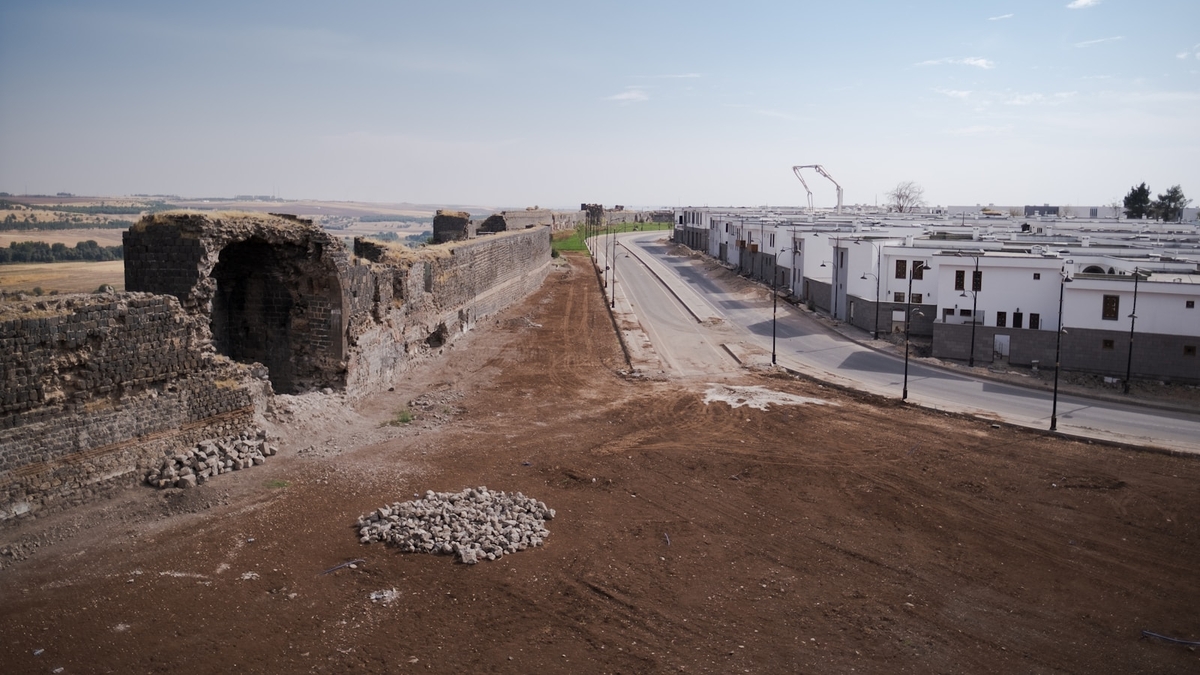
Photo by Levi Meir Clancy on Unsplash
The Kurdish Question Across Turkey, Syria, Iraq, and Iran
1. Executive Summary
The Kurdish question cannot be read as a single line of conflict between “the Kurds” and “the states around them.” In Turkey it is a problem of insurgency and domestic integration; in Syria it is a question of autonomy inside postwar state reconstruction; in Iraq it is a problem of federalism, oil, and security; and in Iran it is mainly a problem of regime security and fragmented opposition. As of 2026, Syria’s post-Assad transition, the PKK’s 2025 decision to dissolve and disarm, and the slow implementation of Damascus-SDF integration talks have changed the regional baseline. 出典: Britannica, Kurd, Britannica, Syria, AP, PKK says it will disarm and dissolve after Ocalan’s call support this reading.
The practical takeaway is simple. Kurds live across four states, but their legal status, armed organizations, party systems, and room for autonomy differ sharply by country. Turkish security language tends to bundle PKK-linked groups together, yet that simplification does not fit local politics. Refugee flows, autonomy claims, counterterrorism, and border control are linked, so a move in one arena spills into the others. 出典: Britannica, Turkey, Britannica, Kurd, AP, Turkey, Iraq agree to cooperate on security and oil pipeline talks support this interpretation.
The bottom line is that this is a minority-rights issue and a state-formation issue at the same time. The right question is not “Who are the Kurds?” but “Which state, which institution, which armed actor, and which social pressure is colliding in which place?” 出典: Britannica, Kurd, Britannica, Iraq support this framing.
2. Historical Backbone
After the collapse of the Ottoman Empire, the Kurdish population was split across four states. The 1920 Treaty of Sèvres pointed toward Kurdish autonomy or even independence, but the 1923 Treaty of Lausanne removed that premise. The modern Middle East was therefore consolidated without a Kurdish state, and that unresolved promise still shapes the issue today. 出典: Britannica, Kurd supports this background.
Each state then built a different order. In Turkey, republican state-building turned the Kurdish question into a security and assimilation issue. In Iraq, Kurdish autonomy became institutionalized inside a federal framework. In Syria, Ba’ath rule restricted Kurdish citizenship and cultural rights. In Iran, Kurdish regions remained on the state periphery, where opposition and security policy became intertwined. 出典: Britannica, Turkey, Britannica, Iraq, Britannica, Syria, Britannica, Kurd support this summary.
Since the 1990s, the issue has multiplied rather than narrowed. The PKK insurgency, the consolidation of autonomy in northern Iraq, self-rule in northeastern Syria after 2011, and the cross-border activism of Iranian Kurdish groups have created several different Kurdish political arenas. The Syrian civil war was especially important because the anti-ISIS campaign and U.S. support helped create a new security and governance structure in the northeast. 出典: Britannica, Kurd, AP, Syria’s Kurdish forces to merge into country’s institutions in deal with Damascus support this point.
       timeline
    title Key Turning Points
    1920 : Treaty of Sèvres
    1923 : Treaty of Lausanne
    1984 : PKK insurgency begins
    2011 : Syrian civil war
    2024 : Fall of Assad
    2025 : PKK decides to dissolve
The meaning of this timeline is not that the Kurdish question is frozen in the past. It is that treaties, republics, civil wars, cross-border militancy, and autonomy talks have repeatedly changed its form. The 2025 PKK decision, for example, does not end the issue; it opens a new phase in which fighters, autonomy projects, border control, and returns all have to be re-sorted. 出典: AP, PKK says it will disarm and dissolve after Ocalan’s call supports this inference.
3. Four Arenas
The Kurdish question is closer to four connected arenas than to one front line.
| Country / arena | Main Kurdish actors | Core issue | Reading as of 2026 |
|---|---|---|---|
| Turkey | PKK, legal parties, Kurdish voters | Security, counterterrorism, assimilation, electoral politics | The state still treats PKK-linked actors as the central threat while also trying to manage domestic political tension |
| Syria | SDF, YPG, northeast self-administration | Autonomy, state reconstruction, anti-ISIS, anti-Turkey security | The post-Assad transition has left the northeast in a negotiated and unstable middle ground |
| Iraq | KRG, KDP, PUK, PKK rear areas | Federalism, oil, budgets, border security | Autonomy is institutionalized, but Baghdad and Ankara keep applying pressure |
| Iran | PDKI, Komala, PJAK, other opposition groups | Regime security, border control, opposition fragmentation | Kurdish opposition is split and is usually treated by Tehran as a security problem first |
In Turkey, the Kurdish question has been a security issue since the republic’s state-building phase. The PKK’s armed struggle, which began in 1984, has remained central to state doctrine, and the 2025 decision to disarm and dissolve changed the political map without erasing Kurdish demands or Kurdish politics. 出典: Britannica, Turkey, AP, PKK says it will disarm and dissolve after Ocalan’s call support this claim.
In Syria, Kurdish self-rule expanded because of civil war and the anti-ISIS campaign. The SDF gained legitimacy as a U.S.-backed partner against ISIS, but Damascus also saw it as a quasi-state actor filling a sovereignty vacuum. The 2025 integration deal was therefore less a final settlement than an attempt to define how much of the northeast would be returned to central control. 出典: AP, Syria’s Kurdish forces to merge into country’s institutions in deal with Damascus, Britannica, Syria support this reading.
In Iraq, the Kurdish question is no longer mainly a rebellion against the state. It is a question of how federalism works in practice. The KRG has formal autonomy, but oil revenue, budget transfers, the integration of the peshmerga, the presence of PKK rear areas, and coordination with Turkey all remain active problems. Autonomy does not eliminate friction; in some ways it makes the bargaining permanent. 出典: Britannica, Kurd, AP, Turkey, Iraq agree to cooperate on security and oil pipeline talks support this point.
In Iran, Kurdish politics is squeezed into a narrower space. Cross-border opposition groups exist, but the state treats them as territorial-security problems, and it tends to frame Kurdish regions through regime security rather than rights. Some Iranian Kurdish organizations based in Iraqi Kurdistan are better understood as parts of a fragmented opposition field than as a single independence movement. 出典: Britannica, Kurd, AP, Iranian Kurdish opposition groups struggle to find common ground support this interpretation.
4. Syria, ISIS, and Turkish Military Operations
The Syrian civil war was the main event that pulled the Kurdish question back into regional geopolitics. From 2011 onward, Kurdish forces in the northeast built a quasi-autonomous order out of state collapse, ISIS expansion, and the U.S.-led anti-ISIS campaign. That was both an expansion of autonomy and a forward-loading of state-like responsibilities. Schools, prisons, checkpoints, oil fields, and defense were all managed locally, but the area did not enjoy the protection of a sovereign state. 出典: AP, Syria’s Kurdish forces to merge into country’s institutions in deal with Damascus, Britannica, Kurd support this point.
Turkey’s perspective was the reverse. Ankara viewed the Kurdish armed structures in northern Syria as an extension of the PKK and therefore as a direct security threat. Cross-border operations since 2016, allegations of abuses after the Afrin occupation, and the remaking of the border zone all pushed Turkish security interests, Syrian sovereignty, and northeastern Syrian autonomy in opposite directions. The same military action can therefore be described as self-defense, occupation, or stabilization, depending on the actor speaking. 出典: AP, Turkish occupation, abuses in Afrin and northern Syria reported by rights groups, Britannica, Turkey support this point.
The humanitarian backlog also remains unresolved. Detention camps such as al-Hol, family reunification, the separation of combatants from civilians, and the legal status of returnees are still not solved. The anti-ISIS war was therefore not only a military campaign; it left behind an incomplete postwar order that Kurdish institutions continue to administer. 出典: AP, Syria’s Kurdish forces to merge into country’s institutions in deal with Damascus supports this claim.
5. Civilian Sentiment and Security Language
The most difficult part of the issue is the clash between civilian lived experience and state security language. In Turkey, the government foregrounds territorial integrity and counterterrorism, while Kurdish citizens and activists focus on language, local government, mobility, and relief from police and military pressure. In Syria, some residents want autonomy and others want a return to central rule. In Iraq, salaries, budgets, jobs, and security are often more immediate than ethnic slogans. 出典: Britannica, Turkey, Britannica, Iraq, Britannica, Syria support this summary.
The Kurdish side is not homogeneous either. Urban voters, mountain insurgents, administrators in autonomous institutions, camp residents, diaspora communities, and tribal networks do not all rank the same goals in the same order. So the phrase “support the Kurds” is too vague to be operational. It does not say whose safety, autonomy, or return is being protected. 出典: Britannica, Kurd supports this reading. This is an inference from public information.
State security language is also not homogeneous. Turkey reads the issue through PKK-centric domestic security and border control. Iraq emphasizes federal order and the containment of cross-border militancy. Damascus prioritizes sovereignty restoration. Iran prioritizes deterrence against dissent and separatism. Put differently, states are usually less afraid of “the Kurds” as an ethnicity than of governance being rewritten from across the border. 出典: AP, Turkey, Iraq agree to cooperate on security and oil pipeline talks, AP, Iranian Kurdish opposition groups struggle to find common ground, Britannica, Turkey support this point.
6. Assistance, Sanctions, and Security Lenses
For Japanese policymakers and companies, this is not a single “Middle East ethnic issue” but a multi-jurisdictional risk problem. In foreign assistance, it matters that northeastern Syria, Turkish Kurdish voters, the KRG, and Iranian Kurdish opposition groups are not interchangeable. In sanctions screening and security review, PKK-related, SDF-related, and KRG-related cases need to be reviewed by jurisdiction and by actual control on the ground. 出典: Britannica, Kurd, AP, PKK says it will disarm and dissolve after Ocalan’s call, AP, Turkey, Iraq agree to cooperate on security and oil pipeline talks support this recommendation.
Four practical questions matter most.
- How far can Turkey’s domestic politics absorb Kurdish claims without returning to a pure security frame?
- Does the Damascus-SDF integration track become autonomy reduction or a step toward a looser federal arrangement?
- Will the KRG remain a durable autonomous layer, or will fiscal and security pressure erode it?
- Can Iranian Kurdish opposition groups connect back to domestic politics, or will they remain fragmented cross-border actors?
These questions are linked. If northeastern Syria is reintegrated into central structures, Turkey’s border calculus changes. If Turkey’s domestic reconciliation channel narrows, cross-border operations and security pressure will squeeze autonomy spaces elsewhere. 出典: AP, Syria’s Kurdish forces to merge into country’s institutions in deal with Damascus, AP, Turkey, Iraq agree to cooperate on security and oil pipeline talks support this point.
7. Limits and Watchpoints
The main limitation of this report is that the Kurdish question mixes emotion, security, autonomy, sect, tribe, refugees, and cross-border militancy, so public sources cannot fully reveal internal decision-making. In addition, local statements are politically loaded, so military and security claims should not be treated as transparent facts. The report therefore uses public information as the basis for an informed reading rather than a final verdict. 出典: Britannica, Kurd, AP, Syria’s Kurdish forces to merge into country’s institutions in deal with Damascus support this limitation statement.
The next watchpoints are straightforward.
- Will PKK disarmament actually move from declaration to implementation?
- Will the SDF-Damascus deal appear in real command structures?
- Can Turkey-Iraq security cooperation be kept from eroding KRG autonomy?
- Will displacement and property-transfer disputes in Afrin and northern Syria be corrected?
- Will Iranian Kurdish groups remain fragmented, or develop a common strategy?
If none of these move, “resolution” will remain rhetorical. If they do move, the Kurdish question can shift from a frozen ethnic conflict toward a sequence of institutional bargains. 出典: AP, PKK says it will disarm and dissolve after Ocalan’s call, AP, Turkey, Iraq agree to cooperate on security and oil pipeline talks, AP, Iranian Kurdish opposition groups struggle to find common ground support this conclusion.
8. References
- Britannica, Kurd
- Britannica, Turkey
- Britannica, Iraq
- Britannica, Syria
- AP, PKK says it will disarm and dissolve after Ocalan’s call
- AP, Syria’s Kurdish forces to merge into country’s institutions in deal with Damascus
- AP, Turkey, Iraq agree to cooperate on security and oil pipeline talks
- AP, Iranian Kurdish opposition groups struggle to find common ground
- AP, Turkish occupation, abuses in Afrin and northern Syria reported by rights groups
トルコ・シリア・クルド問題を地域政治として整理する
1. エグゼクティブサマリー
クルド問題は、単一の「クルド民族 vs 各国政府」という一本線では読めない。トルコでは反乱鎮圧と国内統合の問題、シリアでは内戦後の自治と国家再建の問題、イラクでは連邦制と石油・治安の問題、イランでは治安維持と反体制勢力の分断の問題として現れる。2026 年時点では、アサド政権崩壊後のシリア再編、PKK の解散・武装解除決定、SDF とダマスカスの統合交渉の停滞が重なり、地域全体の前提が 2010 年代とは変わっている。 出典: Britannica, Kurd、Britannica, Syria、AP, PKK says it will disarm and dissolve after Ocalan’s call に基づく。
判断上の要点は三つある。第一に、クルド人は四カ国にまたがって暮らすが、各国で法的位置、武装組織、政党、自治の可能性が異なる。第二に、トルコの安全保障言説は PKK とその関連組織をひとまとめにしやすいが、現地政治はその単純化に収まらない。第三に、難民、自治、対テロ、国境管理は相互に連動しており、どこか一つを動かすと他の現場に波及する。 出典: Britannica, Turkey、Britannica, Kurd、AP, Turkey, Iraq agree to cooperate on security and oil pipeline talks に基づく。
結論だけ先に言えば、これは民族問題であると同時に、国家形成が未完のまま残した国境管理の問題である。したがって、政策判断では「クルド人は誰か」よりも、「どの国で、どの制度、どの武装主体、どの生活圧力が衝突しているか」を先に分けるべきである。 出典: Britannica, Kurd、Britannica, Iraq に基づく。
2. 歴史の骨格
クルド人は、オスマン帝国崩壊後の国境再編の中で四カ国に分かれた。1920 年のセーヴル条約はクルド自治や独立の可能性を示したが、1923 年のローザンヌ条約ではその前提が消え、以後の中東秩序はクルド国家を持たないまま固定された。ここが、今日の「自決の約束が残ったまま国家化しなかった」起点である。 出典: Britannica, Kurd に基づく。
その後の各国は別々の制度を作った。トルコでは共和国建設と国民国家化の過程でクルド問題が治安・同化の論点になり、イラクでは連邦制の枠内にクルド地域が制度化され、シリアではバアス体制の下でクルド人が市民権や文化権の制約を受けた。イランではクルド地域は国家の周縁に置かれ、反体制政治と治安対策が結びついた。 出典: Britannica, Turkey、Britannica, Iraq、Britannica, Syria、Britannica, Kurd に基づく。
1990 年代以降は、PKK の武装闘争、イラク北部の自治強化、シリア内戦後の北東部自治、イラン系クルド反体制勢力の越境拠点化が重なり、クルド問題は一つの正面戦から複数の正面へ拡散した。2011 年以降のシリア内戦は特に大きく、ISIS 掃討戦と米国支援が、北東シリアの自治と治安機構を新たに作った。 出典: Britannica, Kurd、AP, Syria’s Kurdish forces to merge into country’s institutions in deal with Damascus に基づく。
       timeline
    title クルド問題の主要転換点
    1920 : セーヴル条約
    1923 : ローザンヌ条約
    1984 : PKK の武装闘争
    2011 : シリア内戦
    2024 : アサド政権崩壊
    2025 : PKK 解散決定
この年表の意味は、クルド問題が「古い民族紛争」のまま止まっているのではなく、条約、共和国、内戦、越境武装、自治交渉のたびに形を変えてきたという点にある。2025 年の PKK 解散決定も、それ自体で問題を終わらせるのではなく、残る武装勢力、自治構想、帰還、国境管理の再配置を始める契機に近い。 出典: AP, PKK says it will disarm and dissolve after Ocalan’s call に基づく。
3. 4つの現場
クルド問題は一つの戦線ではなく、四つの現場として見るほうが現実に近い。
| 国・現場 | 主要なクルド勢力 | 中心争点 | 2026 年時点の読み |
|---|---|---|---|
| トルコ | PKK、合法政党、地方自治を求める有権者 | 治安、テロ対策、同化、選挙政治 | 国家は PKK を中心脅威とみなしつつ、国内政治の緊張管理も迫られている |
| シリア | SDF、YPG、北東シリア自治機構 | 自治、国家再編、対 ISIS、対トルコ安全保障 | アサド崩壊後の再編の中で、統合と自治の折衷が続いている |
| イラク | KRG、KDP、PUK、PKK の越境拠点 | 連邦制、石油、予算、国境治安 | 自治は制度化されているが、バグダッドとアンカラの圧力が常時かかる |
| イラン | PDKI、Komala、PJAK など | 反体制、治安、国境地帯の統制 | 反政府勢力は分裂しており、越境拠点は政治空間というより治安空間として扱われやすい |
トルコでは、クルド問題は共和国建設以来の治安問題であり、国内政治の争点でもある。PKK は 1984 年以来の武装闘争で国家を揺さぶり、2025 年には解散・武装解除を決めたが、関連組織や政治的要求が消えたわけではない。 出典: Britannica, Turkey、AP, PKK says it will disarm and dissolve after Ocalan’s call に基づく。
シリアでは、クルド自治は内戦と ISIS 掃討の副産物として拡大した。SDF は米国の対 ISIS パートナーとして正当性を得た一方、ダマスカスにとっては主権の空白を埋めた準国家主体でもあった。2025 年の統合合意は、北東シリアの現状を固定するというより、どこまで中央政府に戻すかをめぐる暫定線だった。 出典: AP, Syria’s Kurdish forces to merge into country’s institutions in deal with Damascus、Britannica, Syria に基づく。
イラクでは、クルド問題は既に「国家に対する反乱」よりも「連邦制の運用」として現れる。KRG は制度上の自治を持つが、石油収入、予算配分、ペシュメルガの統合、PKK の越境拠点、トルコとの軍事・経済協調が常に絡む。つまり、自治があるから安定ではなく、自治があるからこそ調整コストが継続する。 出典: Britannica, Kurd、AP, Turkey, Iraq agree to cooperate on security and oil pipeline talks に基づく。
イランでは、クルド政治はより狭い政治空間に押し込まれる。越境する反体制組織は存在するが、国家はそれを領土保全の問題として扱い、国内のクルド住民に対しても治安言説を優先しやすい。イラク北部に拠点を持つ一部のイラン系クルド勢力は、単一の「クルド独立運動」というより、分裂した反体制圏の一部として理解したほうが実態に近い。 出典: Britannica, Kurd、AP, Iranian Kurdish opposition groups struggle to find common ground に基づく。
4. シリア内戦、ISIS、トルコの軍事作戦
シリア内戦は、クルド問題を地域政治に引き戻した最大の要因だった。2011 年以降、北東部のクルド勢力は、ダマスカスの統治空白、ISIS の台頭、米国主導の対 ISIS 作戦の中で準自治体制を作った。これは自治の拡大であると同時に、統治責任の前倒しでもあった。学校、刑務所、検問、油田、防衛を引き受けることで、クルド側は国家のように見える部分を持ったが、国家の保護は持たなかった。 出典: AP, Syria’s Kurdish forces to merge into country’s institutions in deal with Damascus、Britannica, Kurd に基づく。
トルコの見方は逆である。アンカラにとって、シリア北部のクルド武装勢力は PKK と地続きの安全保障脅威に見える。2016 年以降の越境作戦、アフリン占領後の人権侵害の指摘、国境地帯の再編は、トルコの安全保障とシリアの主権と北東シリアの自治を同時に圧迫した。ここでは、同じ軍事行動が「自衛」「占領」「治安回復」のどれに見えるかで、評価が大きく割れる。 出典: AP, Turkish occupation, abuses in Afrin and northern Syria reported by rights groups、Britannica, Turkey に基づく。
人道面では、アル・ホールなどの拘束キャンプ、避難、家族再統合、戦闘員と市民の区分けが終わっていない。対 ISIS 戦争は軍事的には後退しても、収容、帰還、再教育、法的責任の問題として残る。つまり、クルド自治体が抱えたのは「勝利」ではなく、戦後秩序の不完全な請負だった。 出典: AP, Syria’s Kurdish forces to merge into country’s institutions in deal with Damascus に基づく。
5. 市民感情と国家安全保障言説
この問題で厄介なのは、市民の生活感覚と国家の安全保障言説が正面衝突しやすいことだ。トルコ政府は領土保全と対テロを前面に出し、クルド側は言語、地方自治、移動の自由、警察・軍事による圧迫の軽減を求める。シリアでは、自治を求める住民もいれば、中央政府への復帰を望む人もおり、イラクでは給与、予算、雇用、治安のほうが民族標語より切実なことが多い。 出典: Britannica, Turkey、Britannica, Iraq、Britannica, Syria に基づく。
ここでの重要点は、クルド人の側にも単一の政治意識はないということだ。都市の有権者、山岳部の武装組織、自治機構の職員、難民キャンプの住民、ディアスポラ、部族ネットワークは、同じ民族名で束ねられても優先順位が違う。したがって、外部から「クルド人を支援する」と言うだけでは、誰の安全、誰の自律、誰の帰還を支援するのかが不明なままである。 出典: Britannica, Kurd に基づく。ここでの分類は公開情報からの推定である。
国家側の安全保障言説も一枚岩ではない。トルコは PKK を中心に国内治安と国境管理を読むが、イラク政府は連邦秩序と越境武装の抑制を重視し、ダマスカスは主権回復を優先し、イランは反体制と分離主義の抑止を重視する。言い換えると、同じ「クルド問題」でも、国家が恐れているのは民族そのものではなく、自国の統治が他所から上書きされることだ。 出典: AP, Turkey, Iraq agree to cooperate on security and oil pipeline talks、AP, Iranian Kurdish opposition groups struggle to find common ground、Britannica, Turkey に基づく。
6. 支援・制裁・安全保障での読み方
日本の政策担当者や企業にとって、このテーマは「中東の民族問題」ではなく、複数国にまたがる制度リスクである。対外援助では、シリア北東部の自治機構、トルコ国内のクルド有権者、イラクの KRG、イランの越境反体制勢力を同じ箱に入れないことが重要になる。安全保障やコンプライアンスでは、PKK 関連、SDF 関連、KRG 関連の案件を、法域ごとに分けて審査する必要がある。 出典: Britannica, Kurd、AP, PKK says it will disarm and dissolve after Ocalan’s call、AP, Turkey, Iraq agree to cooperate on security and oil pipeline talks に基づく。
見るべき論点は四つある。
- トルコの国内政治と対クルド安全保障が、どこまで選挙政治に吸収されるか。
- シリアで SDF とダマスカスの統合交渉が、自治の縮小か連邦化の入口か。
- イラクで KRG の制度的自治が、石油と予算の交渉で弱体化するか、逆に固定化するか。
- イランで反体制クルド勢力が、越境拠点から国内政治へ接続し直せるか。
この四点は互いに独立していない。たとえば、シリア北東部が中央政府に再統合されれば、トルコの国境安全保障の計算は変わるし、イラク北部への軍事圧力の置き方も変わる。逆に、トルコ国内の和解回路が細ると、越境作戦と治安圧力が他国の自治空間をさらに狭める。 出典: AP, Syria’s Kurdish forces to merge into country’s institutions in deal with Damascus、AP, Turkey, Iraq agree to cooperate on security and oil pipeline talks に基づく。
7. 限界と監視ポイント
この報告の限界は、クルド問題が感情、治安、自治、宗派、部族、難民、越境武装を同時に含むため、公開情報だけでは内部意思決定を完全に追えない点にある。さらに、現地組織の声明は政治的意図を強く帯びるので、軍事・治安の数字をそのまま実態とみなすのは危険である。したがって、本文は断定ではなく、公開情報からの推定を含む読みとして使うべきである。 出典: Britannica, Kurd、AP, Syria’s Kurdish forces to merge into country’s institutions in deal with Damascus に基づく。
今後の監視ポイントは次の五つである。
- PKK の解散・武装解除が実行段階に入るか。
- SDF とダマスカスの統合合意が、実際の指揮系統に反映されるか。
- トルコとイラクの安全保障協力が、KRG の自治と競合しない形に収まるか。
- アフリンやシリア北部での住民移転・資産移転の問題が是正されるか。
- イラン系クルド勢力の分裂が続くか、それとも共通戦略が生まれるか。
これらが改善しない限り、地域の「解決」は言葉だけに留まる。逆に、ここが動けば、クルド問題は民族対立の固定化から、制度交渉の問題へ少しずつ移る。 出典: AP, PKK says it will disarm and dissolve after Ocalan’s call、AP, Turkey, Iraq agree to cooperate on security and oil pipeline talks、AP, Iranian Kurdish opposition groups struggle to find common ground に基づく。
8. 参考情報
- Britannica, Kurd
- Britannica, Turkey
- Britannica, Iraq
- Britannica, Syria
- AP, PKK says it will disarm and dissolve after Ocalan’s call
- AP, Syria’s Kurdish forces to merge into country’s institutions in deal with Damascus
- AP, Turkey, Iraq agree to cooperate on security and oil pipeline talks
- AP, Iranian Kurdish opposition groups struggle to find common ground
- AP, Turkish occupation, abuses in Afrin and northern Syria reported by rights groups